Watch owners often ask a simple question. Should I keep polishing my watches? At first glance, polishing feels harmless. After all, everyone likes a shiny watch. However, the answer is more nuanced. In many cases, polishing can reduce value rather than improve it.
This guide explains when polishing makes sense, when it does not, and how to approach it safely. Therefore, whether you own a modern luxury watch or a vintage heirloom, you will know what to do next.
What Watch Polishing Actually Means
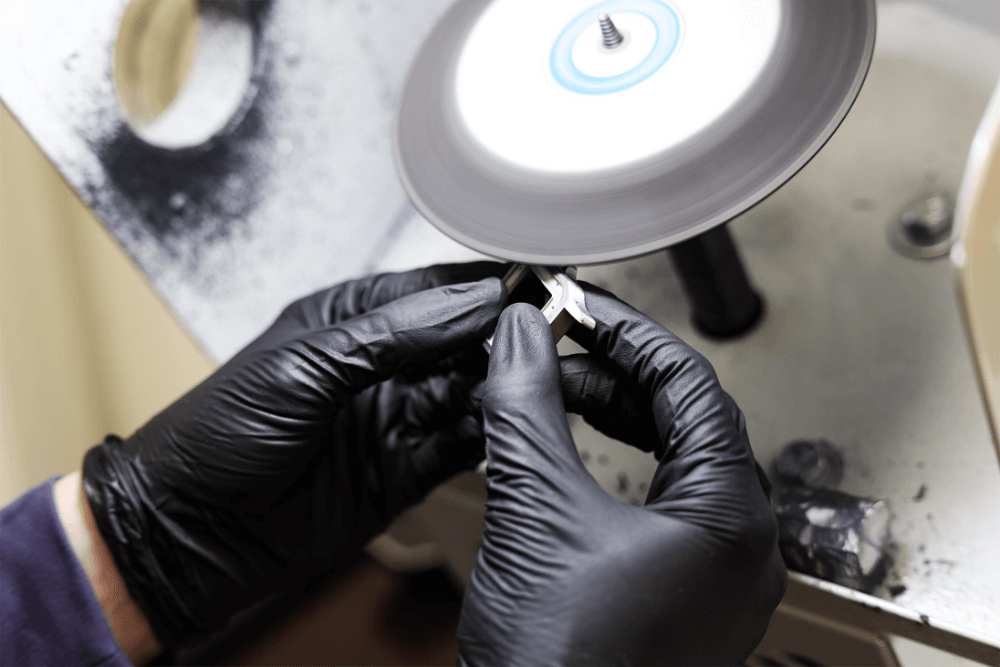
Polishing removes a thin layer of metal from the case or bracelet. It smooths scratches and restores shine. However, that metal never comes back.
Every polishing session slightly alters the watch. Therefore, repeated polishing changes shape, edges, and proportions. Over time, the watch may lose its original design intent.
Because of this, polishing is not just cosmetic. It permanently modifies the watch.
Why Many Experts Do Not Recommend Polishing
Most watch collectors and professionals discourage polishing. This advice applies especially to new and vintage watches.
Here is why.
First, the original condition holds value. Collectors often pay more for watches that show honest wear. Therefore, scratches can actually increase desirability.
Second, factory finishing matters. Watch brands apply specific brushing and polishing patterns. Once removed, those finishes rarely return perfectly.
Third, polishing softens sharp edges. Over time, lugs lose definition. Cases look rounded. Consequently, the watch may appear overworked.
Because of these reasons, polishing often reduces resale value.
Polishing And New Watches
Polishing a new watch rarely makes sense. Even if scratches appear, they tell a story of wear.
Modern watches use hardened steel and advanced alloys. As a result, light marks usually look better than freshly polished surfaces.
Additionally, buyers often prefer untouched cases. Therefore, polishing a new watch may hurt its future market value.
If a new watch needs cleaning, gentle washing works better. Warm water, mild soap, and a soft brush usually restore appearance without damage.
Polishing And Vintage Watches
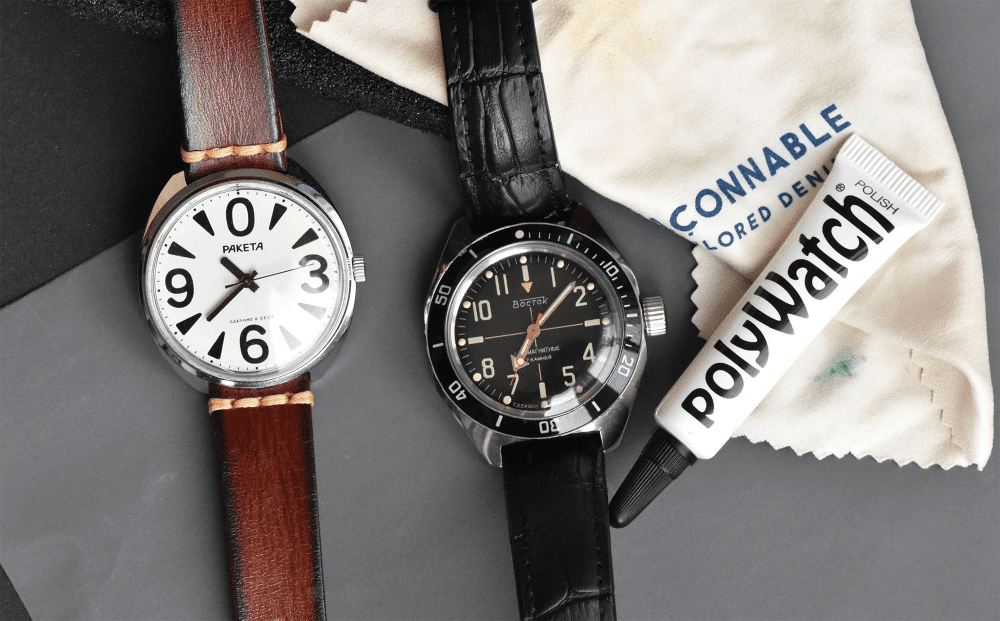
Vintage watches require even more caution.
Original condition defines vintage value. Case thickness, edge sharpness, and factory lines matter deeply. Once polishing removes metal, originality disappears.
Therefore, most collectors strongly advise against polishing vintage watches.
There are exceptions. Acrylic crystals often scratch easily. In this case, polishing the crystal, not the case, can improve appearance without harming value.
For this purpose, many collectors use Polywatch scratch remover for acrylic watch crystals, designed specifically for vintage watches with plastic or acrylic glass. It removes light scratches while preserving the original case.
Use it gently and sparingly. Also, avoid applying it to sapphire or mineral glass.
When Polishing May Be Acceptable
Although polishing often hurts value, some owners still want a cleaner look. Therefore, polishing can make sense in limited situations.
For example, heavily worn daily watches may benefit from light cosmetic work. If resale does not matter, personal enjoyment may take priority.
Similarly, watches with deep dents may look better after professional refinishing. However, this should remain a one-time decision, not a habit.
The key is moderation. Light touch-ups are safer than full refinishing.
Home Polishing Vs Professional Polishing
Many people consider polishing at home. However, this carries risk.
Home polishing tools lack precision. They often remove too much material. As a result, uneven surfaces appear.
Professional watchmakers use specialized equipment. They understand case geometry and factory finishes. Therefore, professional polishing usually produces better results.
Still, even professional polishing removes metal. So, restraint remains essential.
Cleaning Instead Of Polishing
In many cases, cleaning delivers the desired effect without damage.
Dirt, oil, and residue often dull a watch. Cleaning restores shine without removing material.
For routine care, a dedicated watch cleaning spray designed for cases and bracelets works well. It removes grime and fingerprints safely without altering finishes.
Use a microfiber cloth and gentle motions. Also, avoid soaking leather straps.
Cleaning should always come before polishing.
Polishing Gold Watches Carefully
Gold behaves differently from steel. It is softer and removes faster.
Therefore, gold watches require extreme caution. Even light polishing can alter case lines.
For minor touch-ups, many collectors rely on Cape Cod polishing cloths for gold watches. These cloths work best when applied lightly and infrequently.
Use minimal pressure. Focus only on small areas. Never polish engraved surfaces.
Even then, limit use. Gold loss accumulates quickly.
Luxury Watches And Authorized Service Only
High-end watches demand special care.
Brands like Rolex, Patek Philippe, and Audemars Piguet use proprietary finishing techniques. Their cases feature precise angles and brushing patterns.
Therefore, polishing should be performed only by authorized service centers.
Authorized service preserves original geometry as much as possible. Additionally, it ensures correct refinishing standards.
Unauthorized polishing can permanently damage a luxury case. As a result, the value may drop significantly.
If polishing feels necessary for these brands, always consult authorized service first.
How Polishing Affects Resale Value
Polishing impacts resale more than many expect.
Collectors inspect case thickness, lug shape, and edge sharpness. Over-polished watches stand out immediately.
Therefore, polished watches often sell for less. In some cases, buyers avoid them entirely.
Original condition remains king in the collector market. Honest wear beats artificial shine.
How Often Is Too Often
Polishing should never be routine.
Ideally, a watch should undergo polishing only once, if at all. Multiple sessions accelerate metal loss.
Service intervals should focus on maintenance of movement, not cosmetic refinishing.
If a service center suggests polishing automatically, ask questions. You can always decline cosmetic work.
Practical Guidelines For Watch Owners
To summarize, follow these principles.
- Avoid polishing new watches. Wear marks add character.
- Avoid polishing vintage watches. Original condition matters most.
- Clean before considering polish. Dirt often causes dullness.
- If polishing is necessary, choose a professional service.
- For luxury brands, use authorized service only.
- For acrylic crystals, polish the crystal, not the case.
- For gold watches, polish lightly and rarely.
Frequently Asked Questions
- Does Polishing Remove Scratches Completely?
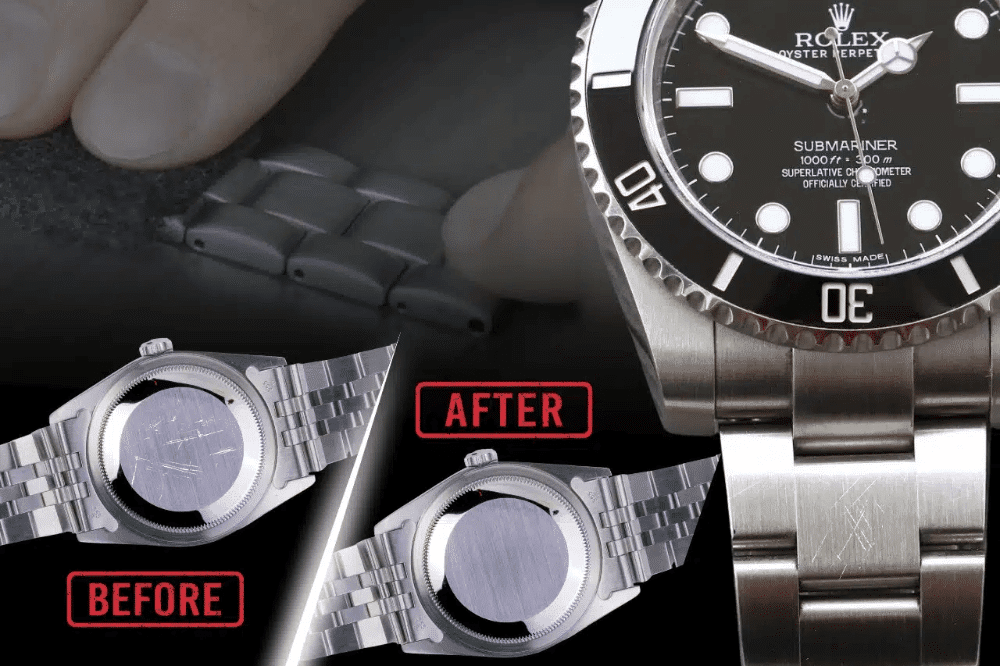
Polishing reduces scratches by removing metal. Deep scratches may remain. Therefore, results vary.
- Can Polishing Damage Water Resistance?
Yes. Improper polishing can affect seals. Always pressure test after case work.
- Is Polishing Reversible?
No. Removed metal never returns.
- Do Collectors Prefer Unpolished Watches?
Yes. In most cases, collectors strongly prefer original condition.
Final Thoughts
Polishing watches feels tempting. However, it carries permanent consequences.
In most situations, polishing is not recommended. New watches gain character through wear. Vintage watches gain value through originality.
Still, personal preference matters. If shine brings joy, careful and limited polishing may be acceptable.
The key is understanding the trade-offs. Once you do, you can make informed decisions that respect both your watch and its long-term value.