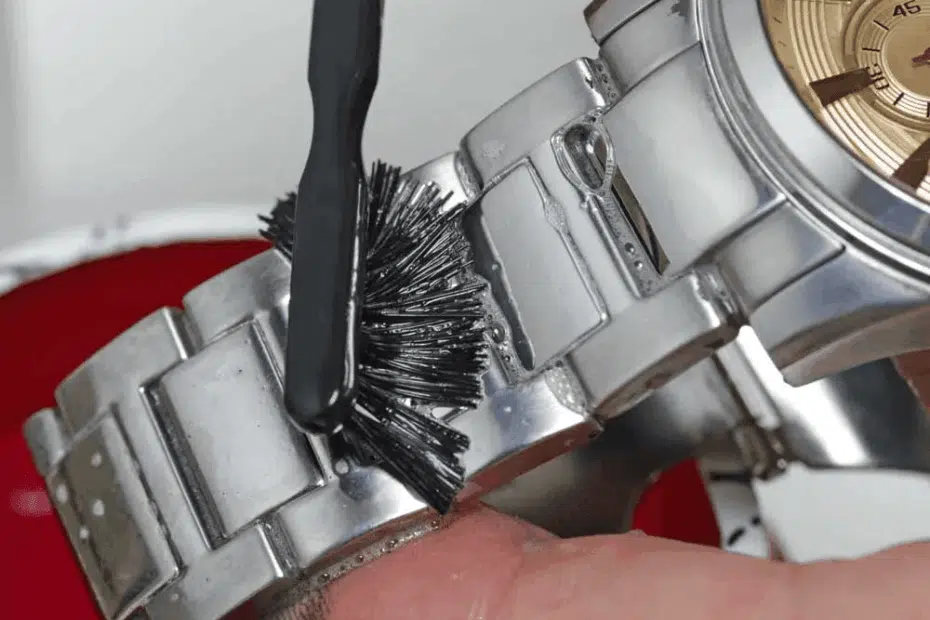
Watch polishing often appears straightforward at first glance. However, the process becomes much more complex once you consider the materials used in modern watch cases. Different metals react differently to abrasives, polishing compounds, and tools. Therefore, understanding the relationship between watch case materials and polishing techniques is essential for anyone involved in watch restoration or maintenance.
Stainless steel, gold, titanium, platinum, and ceramic all behave differently during polishing. Consequently, the tools and techniques that produce excellent results on one material may damage another. For this reason, professional watchmakers always adjust their polishing strategy according to the case material.
In this guide, we explore how watch case materials affect polishing methods, abrasive selection, and finishing techniques. Additionally, we examine how professionals adapt their tools and workflow to preserve the original design of each watch.
Why Case Material Matters In Watch Polishing
Watch polishing removes microscopic layers of metal to eliminate scratches and restore surface finish. However, the hardness and structure of the case material determine how quickly metal is removed during polishing.
For example, stainless steel offers relatively high hardness compared to precious metals. Therefore, it requires stronger abrasives and firmer polishing wheels. In contrast, gold is much softer. Consequently, even mild abrasives can remove significant amounts of material.
Moreover, some modern materials, such as titanium, behave unpredictably during polishing. Instead of cutting cleanly, titanium may smear or develop cloudy surfaces if polished incorrectly.
Therefore, watchmakers must understand the properties of each material before selecting polishing tools and compounds.
Stainless Steel Cases And Their Polishing Characteristics
Stainless steel remains the most common material used in watch cases today. Manufacturers favor it for its excellent durability, corrosion resistance, and moderate hardness.
Material Properties
Most watch cases use grades such as 316L stainless steel. These alloys contain chromium and nickel, which improve corrosion resistance and strength. As a result, stainless steel resists scratches better than softer metals like gold.
However, this hardness also means scratches can be more difficult to remove.
Polishing Techniques For Stainless Steel
Because stainless steel resists abrasion, watchmakers usually rely on stronger cutting compounds during the first polishing stages. These compounds remove scratches efficiently while preparing the surface for finer finishing steps.
Typical polishing progression includes:
- Moderate abrasive sanding for scratch removal
- Cutting compound polishing
- Intermediate polishing compound
- Final mirror finishing compound
Each step gradually refines the surface.
Recommended Tools
Watchmakers often use firm polishing wheels and cutting compounds designed specifically for stainless steel. For example, green chromium oxide compounds work particularly well during the final polishing stage.
However, professionals must still carefully control polishing pressure. Excessive polishing can round case edges and soften sharp transitions between finishes.
Gold Watch Cases And Gentle Polishing Techniques
Gold watches require a completely different polishing approach. Unlike stainless steel, gold is soft and easily scratched.
Material Properties
Most gold watches use alloys such as 18k gold. Although alloying improves durability, gold remains significantly softer than stainless steel.
Therefore, aggressive abrasives can remove too much material quickly.
Polishing Techniques For Gold
Because gold is easily removed, professionals typically start with the least aggressive abrasive possible. Rather than removing every scratch, watchmakers often focus on restoring overall shine while preserving case geometry.
Typical polishing stages include:
- Light abrasive smoothing
- Gentle polishing compound
- Final finishing with jeweler’s rouge
Jeweler’s rouge works particularly well for precious metals because it produces a brilliant finish without aggressive cutting.
Tool Selection For Gold
Soft polishing wheels often produce the best results on gold surfaces. Additionally, professionals frequently use lighter polishing pressure to avoid excessive metal removal.
Masking techniques also become important because polished gold surfaces often sit next to brushed areas that must remain untouched.
Titanium Cases And Their Unique Challenges

Titanium cases have become increasingly popular in modern watchmaking. Titanium offers exceptional strength while remaining extremely lightweight. However, it presents several challenges during polishing.
Material Properties
Titanium alloys are harder than gold but softer than many steels. However, the metal structure behaves differently under abrasion.
Instead of producing clean cutting particles, titanium often smears during polishing. Consequently, the surface can develop dull or cloudy finishes if polished incorrectly.
Polishing Techniques For Titanium
Watchmakers typically polish titanium using lower speeds and lighter pressure. Additionally, they often rely on specialized compounds formulated for titanium alloys.
A typical polishing workflow includes:
- Fine abrasive preparation
- Controlled polishing with dedicated titanium compounds
- Gentle finishing with soft polishing wheels
Because titanium reacts poorly to excessive heat, professionals also monitor temperature carefully during polishing.
Brushed Titanium Finishes
Many titanium watches feature brushed surfaces rather than mirror polishing. Therefore, restoration often focuses on recreating the original brushing pattern rather than producing a reflective surface.
Professionals use abrasive pads or brushing wheels applied in a consistent direction to recreate the satin finish.
Platinum Cases And Precision Polishing
Platinum represents one of the most prestigious materials used in watchmaking. However, it behaves very differently from both stainless steel and gold.
Material Properties
Platinum is dense, heavy, and relatively soft compared to steel. However, it does not lose metal during polishing as quickly as gold. Instead, platinum tends to displace material rather than removing it completely.
Consequently, polishing platinum requires careful technique.
Polishing Methods
Watchmakers often use specialized polishing compounds designed for platinum surfaces. These compounds smooth the surface while maintaining the metal’s unique luster.
Additionally, slower polishing speeds help maintain control over the process.
Finishing Appearance
Platinum polishing often produces a slightly softer shine than stainless steel. However, this distinctive glow contributes to the metal’s appeal.
Therefore, professionals aim to enhance this natural appearance rather than forcing a mirror-like finish.
Ceramic Watch Cases And Non-Traditional Polishing
Ceramic cases introduce an entirely different polishing challenge.
Material Properties
Ceramic watch cases are extremely hard and scratch-resistant. In fact, ceramic hardness often exceeds that of traditional polishing abrasives.
Therefore, conventional polishing techniques rarely work.
Restoration Techniques
Most ceramic case scratches cannot be polished using traditional compounds. Instead, manufacturers rely on diamond-based abrasives during production.
Because ceramic cannot easily be refinished, watchmakers usually recommend replacing damaged ceramic components rather than attempting conventional polishing.
Matching Polishing Tools To Case Materials
Selecting the correct tools becomes just as important as choosing the right polishing compounds.
Different materials require different polishing wheels and abrasive tools.
Polishing Wheel Selection
| Wheel Type | Typical Use |
|---|---|
| Firm cotton wheels | Cutting and intermediate polishing |
| Muslin wheels | Final polishing stages |
| Felt wheels | Precision polishing on small areas |
Wheel hardness influences how aggressively the compound interacts with the metal surface.
Abrasive Pads And Brushing Tools
For brushed surfaces, watchmakers often use abrasive pads or brushing wheels. These tools recreate directional grain patterns commonly found on watch lugs and bracelets.
However, maintaining consistent brushing direction requires careful control.
Protecting Case Geometry During Polishing
Although polishing improves appearance, excessive polishing can permanently damage a watch case.
Case geometry includes sharp edges, bevels, and flat surfaces that define the watch design. Therefore, preserving these features becomes a top priority during restoration.
Professionals frequently use masking tape and fixtures to protect specific surfaces while polishing others. Additionally, they inspect the watch constantly to ensure that polishing remains controlled.
Because polishing always removes metal, restraint becomes essential.
Common Mistakes When Polishing Different Materials
Many polishing mistakes occur when users treat all metals the same.
Common errors include:
- Using aggressive steel compounds on gold
- Polishing titanium with excessive heat
- Attempting to polish ceramic using standard compounds
- Ignoring the brushing direction on satin finishes
Each mistake can permanently damage the watch. Therefore, understanding material differences remains critical.

Final Thoughts
Watch case materials directly influence the choice of polishing techniques, tools, and compounds. Stainless steel requires stronger abrasives to remove scratches effectively. Gold requires gentle polishing to preserve its softness. Titanium requires specialized techniques that prevent surface smearing.
Meanwhile, materials such as platinum and ceramic introduce additional challenges that require careful handling and specialized tools.
Therefore, successful watch polishing always begins with understanding the case material. Once watchmakers identify the metal, they can select the correct compounds, wheels, and techniques to restore the surface safely.
Ultimately, proper polishing protects both the appearance and the structural integrity of the watch. By adapting techniques to each material, watchmakers ensure that restoration enhances the watch without compromising its original design.