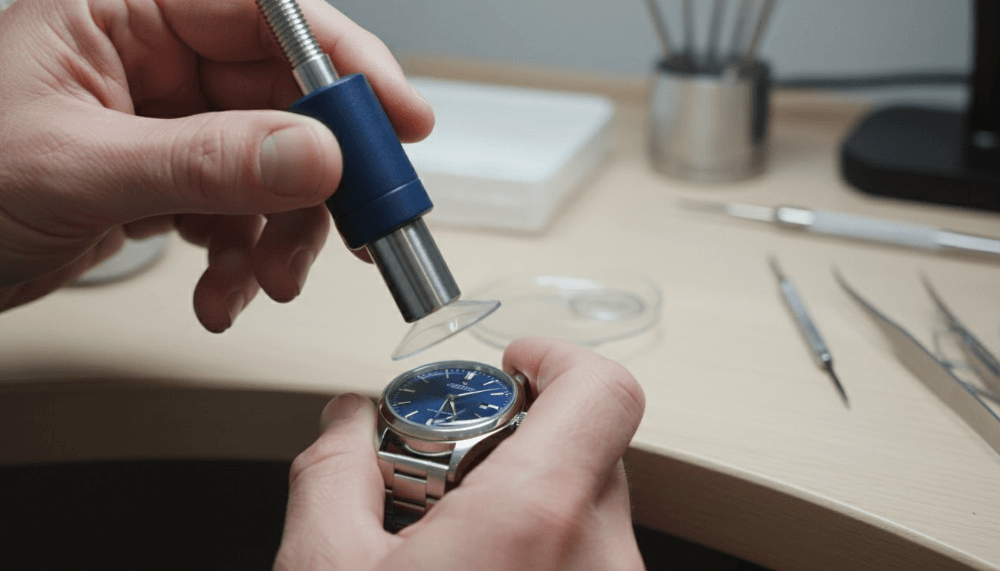
Watchmaker tools are precision instruments designed for delicate work. Although many tools appear small and simple, they require careful handling and proper storage to maintain accuracy and reliability. Therefore, how you store these tools can significantly influence their performance and lifespan.
Watchmaking tools such as screwdrivers, tweezers, and case openers interact with extremely small components. Consequently, even minor damage to a tool can lead to costly mistakes during repair. For example, a worn screwdriver tip may slip and damage a screw head, while misaligned tweezers may scratch delicate surfaces.
Because of this, professional watchmakers treat tool storage as an essential part of workshop organization. Proper storage prevents corrosion, preserves tool alignment, and reduces accidental damage. Additionally, good storage habits improve workflow by keeping tools accessible and organized.
This guide explores how to store watchmaker tools to extend their lifespan safely. Along the way, we examine practical storage methods, environmental considerations, and maintenance practices that protect precision tools.
Why Proper Tool Storage Matters In Watchmaking
Watchmaking demands extraordinary precision. Therefore, even small imperfections in tools can compromise the quality of repair work.
When tools sit loosely on a bench or inside cluttered drawers, several problems can occur. First, tools may collide with each other and damage delicate edges or tips. Second, environmental factors such as humidity can cause corrosion. Third, dust and debris may contaminate tools and interfere with precise work.
Moreover, many watchmaker tools contain hardened steel components. Although hardened steel is durable, it can still rust when exposed to moisture. Consequently, improper storage may significantly shorten tool lifespan.
On the other hand, proper storage helps maintain tool geometry and cleanliness. Therefore, watchmakers who store their tools carefully can rely on consistent performance for many years.
Organizing Tools By Function
The first step in safe storage involves organizing tools logically. When tools remain organized, watchmakers can retrieve them quickly without unnecessary handling.
Therefore, grouping tools by function creates a more efficient workspace. For example, screwdrivers, tweezers, and case tools can each occupy separate storage areas.
A simple organizational system may include:
| Tool Category | Example Tools |
|---|---|
| Screwdrivers | Precision screwdriver sets |
| Handling tools | Tweezers and hand-setting tools |
| Case tools | Case openers and case holders |
| Cleaning tools | Rodico, brushes, and blowers |
Because each tool category performs different tasks, grouping them reduces clutter and improves accessibility.
Additionally, organized storage prevents tools from rubbing against each other. As a result, delicate edges remain protected.
Using Dedicated Tool Stands
Many watchmakers store frequently used tools in dedicated stands. Tool stands keep instruments upright and separated from each other.
Screwdriver stands are among the most common examples. These stands hold screwdrivers upright, allowing watchmakers to identify sizes quickly. Meanwhile, the stand prevents tips from contacting other tools.
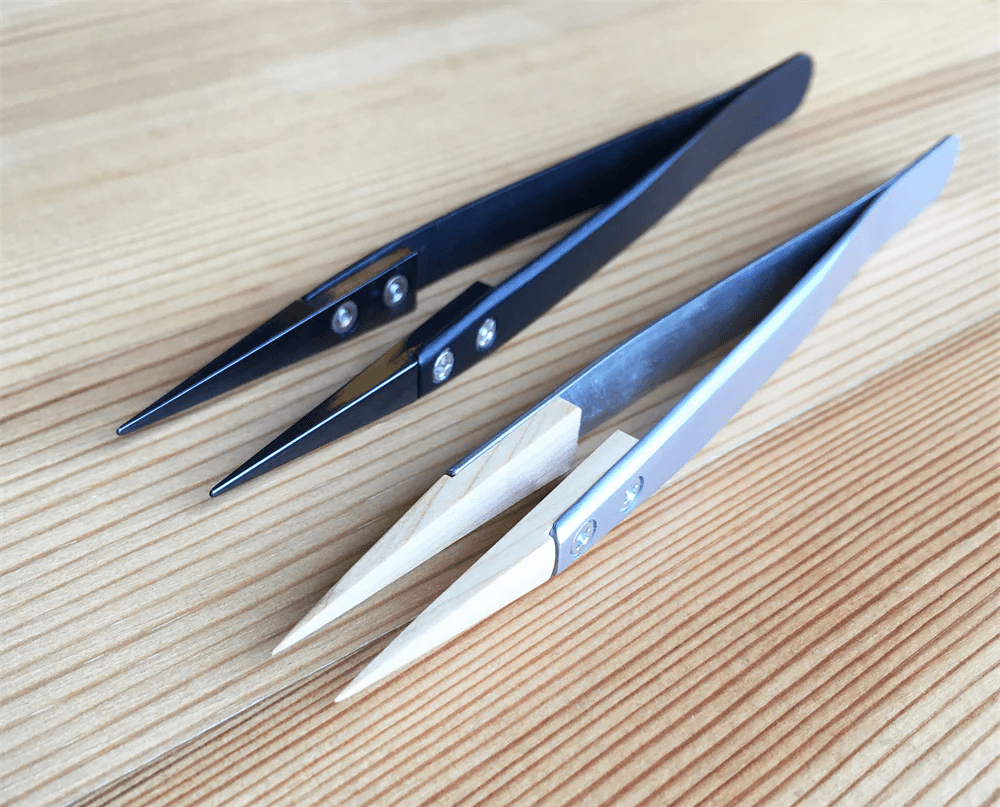
Similarly, tweezers protect fine tips from bending or dulling. Because tweezers rest individually in slots, they remain protected from accidental contact.
Tool stands offer several advantages:
- They keep tools organized
- They prevent tool collisions
- They provide quick access during work
- They improve overall bench efficiency
Therefore, tool stands are among the most effective storage solutions for watchmaker tools.
Protecting Delicate Tool Tips
Many watchmaking tools rely on extremely fine tips for precise work. Consequently, protecting these tips becomes a top priority.
Tweezers, screwdrivers, and pegwood sticks all feature delicate edges that can easily bend or dull. Therefore, proper storage must prevent these tips from contacting hard surfaces.
Watchmakers often use protective caps or covers to shield screwdriver tips. Additionally, some tweezers include protective sleeves that prevent accidental bending.
Another effective method involves storing tools inside padded trays or foam-lined containers. Because soft materials cushion the tools, the risk of tip damage decreases significantly.
Preventing Rust And Corrosion

Moisture poses one of the greatest threats to watchmaker tools. Although many tools use corrosion-resistant alloys, prolonged exposure to humidity can still cause rust.
Therefore, watchmakers often control the environment where they store their tools.
Several methods help reduce corrosion risk:
- Store tools in dry environments
- Use silica gel packets in storage drawers
- Avoid placing tools near water sources
- Clean tools regularly to remove oils and debris
Silica gel packets absorb excess moisture from the air. Consequently, they provide an inexpensive way to protect tools from humidity.
Additionally, light oil coatings may help protect certain steel tools during long-term storage.
Keeping Tools Clean Before Storage
Cleaning tools before storing them significantly extends their lifespan. During watch repair, tools frequently come into contact with oils, dust, and microscopic metal particles.
If these contaminants remain on the tools, they may cause corrosion or interfere with future repairs. Therefore, watchmakers typically clean their tools after each work session.
Simple cleaning methods often include:
- Wiping tools with microfiber cloths
- Removing dust with compressed air
- Cleaning tweezers with Rodico
- Removing oils using alcohol wipes
Because clean tools remain free from debris, they perform more reliably during future repairs.
Storing Rarely Used Tools
Not all watchmaking tools require daily use. Some specialized tools may remain unused for extended periods.
Therefore, long-term storage requires additional protection.
Watchmakers often store these tools inside dedicated storage boxes or drawers with protective liners. Additionally, padded cases help prevent accidental movement inside the container.
For example, polishing tools, specialized case openers, and movement holders often remain stored in protective compartments.
Because these tools may stay unused for months, proper storage prevents environmental damage.
Drawer Storage Systems
Many professional workshops rely on drawer-based storage systems for watchmaker tools. Drawers keep tools organized while protecting them from dust and accidental contact.
However, effective drawer storage requires proper organization.
Watchmakers often line drawers with foam inserts or tool trays. These inserts contain cutouts that match specific tools. Consequently, each tool has its own designated space.
Advantages of drawer storage include:
- Protection from dust and debris
- Improved tool organization
- Reduced risk of accidental drops
- Efficient workspace management
Because tools remain hidden when not in use, drawer storage also helps keep the workbench. clean
Portable Tool Storage
Watchmakers who travel or work in multiple locations often require portable storage solutions. Portable watchmaker tool kits provide organized compartments for essential tools.
These kits typically include padded sections that hold tools securely during transport. Additionally, some kits include removable trays that allow quick access during repairs.
However, portable storage requires careful packing. Tools should never shift freely inside the case. Therefore, padded compartments or foam inserts help maintain tool alignment during transport.
Portable storage protects tools while allowing watchmakers to maintain mobility.
Managing Magnetic Exposure
Magnetism can affect certain watchmaker tools, particularly steel tweezers and screwdrivers. Therefore, proper storage may also involve minimizing exposure to strong magnetic sources.
Watchmakers often store tools away from:
- Loudspeakers
- Electronic devices
- Magnetic storage equipment
Additionally, demagnetizing tools periodically help ensure reliable performance.
Although anti-magnetic alloys reduce the risk of magnetization, regular checks still provide additional protection.
Regular Tool Inspection
Even with proper storage, watchmaker tools require periodic inspection. Therefore, watchmakers often examine tools regularly to ensure they remain in good condition.
Common inspection tasks include:
- Checking screwdriver tips for wear
- Inspecting tweezers for alignment
- Removing rust or oxidation
- Cleaning accumulated debris
Regular inspection allows watchmakers to address minor issues before they require repair work.
Consequently, tools remain reliable for longer periods.
Building Good Storage Habits
Ultimately, tool storage depends as much on habit as on equipment. Even the best storage systems cannot protect tools if users ignore basic care practices.
Therefore, watchmakers often follow simple routines such as:
- Returning tools to their stands immediately after use
- Cleaning tools before storing them
- Avoiding clutter on the workbench
- Inspecting tools regularly
Over time, these habits become second nature.
Because consistent care protects tools from unnecessary damage, watchmakers can rely on their instruments for many years.

Final Thoughts
Watchmaker tools represent an investment in precision and craftsmanship. Therefore, proper storage plays a vital role in maintaining their performance and longevity.
By carefully organizing tools, protecting delicate tips, controlling environmental conditions, and maintaining regular cleaning routines, watchmakers can significantly extend the lifespan of their equipment.
Moreover, well-organized storage improves workflow and reduces the risk of accidental damage during repairs.
Ultimately, safe storage ensures that watchmaker tools remain accurate, reliable, and ready for the intricate work required in watch repair. When tools remain in excellent condition, watchmakers can focus entirely on the precision and craftsmanship that define their profession.