A scratched watch crystal can make an otherwise beautiful watch look worn and difficult to read. However, not every scratch means the crystal must be replaced. In many cases, proper restoration techniques can improve clarity and restore the watch’s original appearance, which is why a crystal repair guide is important.
Nevertheless, the correct repair method depends entirely on the crystal material. Acrylic, mineral glass, and sapphire crystals all behave differently when exposed to polishing compounds and abrasives. Therefore, understanding the characteristics of each material becomes the first and most important step in restoration.
Watch crystals play a critical role in protecting the dial from dust, moisture, and physical damage while keeping the time clearly visible. Because they sit on the outermost part of the watch, they are exposed daily to surfaces that can cause scratches. Consequently, many watch owners eventually face the challenge of restoring a scratched crystal.
In this guide, we examine how to safely restore scratched watch crystals. Additionally, we explain the differences among acrylic, mineral, and sapphire crystals, as well as the polishing methods that work best for each type.
Understanding The Different Types Of Watch Crystals
Before attempting any restoration work, you must identify the type of crystal installed on the watch. The repair approach changes dramatically depending on the material.
Three main materials dominate watch crystal manufacturing today:
| Crystal Type | Hardness | Scratch Resistance | Repairability |
|---|---|---|---|
| Acrylic | Low | Low | Easy to polish |
| Mineral Glass | Medium | Moderate | Difficult to polish |
| Sapphire | Very High | Excellent | Usually requires replacement |
Acrylic crystals rate around 3–4 on the Mohs hardness scale, mineral glass ranges roughly between 5 and 7, and sapphire reaches around 9, making it extremely scratch-resistant.
Because hardness directly influences repair options, each crystal type requires different restoration methods.
Identifying The Crystal Material
Before attempting to polish a watch crystal, identifying the material prevents costly mistakes. Although manufacturers sometimes list crystal materials in specifications, older watches may require closer inspection.
In this crystal repair guide, we’ll tell you several clues that can help determine the crystal type.
Acrylic crystals often appear slightly warmer and softer. Additionally, they may flex slightly when pressed. Mineral crystals appear clearer and more rigid, while sapphire crystals typically display extremely sharp reflections.
Another method involves examining scratch patterns. Acrylic scratches easily but responds well to polishing, whereas sapphire rarely scratches at all.
Once you identify the crystal type, you can choose the safest restoration method.
Assessing The Depth Of The Scratch
Not all scratches require the same repair method. Therefore, evaluating scratch depth helps determine whether polishing will work.
A common test involves lightly running a fingernail across the scratch. If the nail catches, the scratch likely penetrates deeply into the material. In this case, polishing may not fully remove the damage.
On the other hand, shallow scratches usually respond well to polishing, especially on softer materials such as acrylic.
Therefore, careful inspection prevents unnecessary polishing that may waste time or further damage the crystal.
Restoring Acrylic Watch Crystals
Acrylic crystals remain the easiest type to restore. Because acrylic is a soft plastic, polishing compounds can quickly remove scratches by smoothing the surface.
Many vintage watches use acrylic crystals because they resist shattering and can be restored repeatedly.
Why Acrylic Polishes Easily
Unlike glass, acrylic wears down evenly when polished. Consequently, small scratches blend into the surrounding material during polishing.
This property allows many scratches to disappear after only a few minutes of polishing.
Recommended Tools And Materials
Moreover, this crystal repair guide is important for knowing some common tools used in acrylic restoration, which include:
- Plastic polishing compounds such as PolyWatch or Novus
- Microfiber cloths
- Cotton polishing pads
- Masking tape to protect the watch case
Basic Polishing Process
Restoring an acrylic crystal usually follows a simple process.
- Clean the crystal thoroughly to remove dust and debris.
- Apply a small amount of plastic polish to the scratch.
- Rub gently using circular motions with a microfiber cloth.
- Continue polishing for several minutes.
- Wipe clean and inspect the results.
Often, two or three polishing cycles remove most visible scratches.
Because acrylic responds so well to polishing, collectors often consider it one of the most maintainable crystal materials.
Restoring Mineral Glass Crystals

In several crystal repair guides, you’ll see that mineral glass crystals offer better scratch resistance than acrylic, yet they are also more difficult to repair once scratched.
Manufacturers produce mineral glass by tempering standard glass to increase hardness and durability. As a result, it resists everyday wear more effectively than acrylic.
However, that increased hardness also makes polishing more challenging.
Polishing Mineral Glass
While polishing can reduce light scratches, deep scratches often remain visible. Therefore, restoration requires patience and specialized polishing compounds.
Watchmakers often use compounds containing cerium oxide or diamond paste when working with mineral glass.
Typical Restoration Process
Restoring a mineral crystal usually involves the following steps:
- Clean the crystal thoroughly.
- Mask the surrounding case to prevent accidental polishing.
- Apply a small amount of glass polishing compound.
- Polish gently using a felt pad or microfiber cloth.
- Inspect the scratch regularly during the process.
However, polishing mineral glass can take much longer than polishing acrylic. In many cases, watchmakers choose to replace the crystal rather than attempt extensive polishing.
Restoring Sapphire Watch Crystals
Sapphire crystals represent the most durable option used in modern watches. Manufacturers create sapphire crystals from synthetic aluminum oxide, which ranks extremely high on the hardness scale.
Because sapphire crystals resist scratches extremely well, they appear on many luxury watches.
However, when scratches do occur, removing them becomes extremely difficult.
Why Sapphire Is Hard To Polish
Sapphire’s hardness means that most standard polishing compounds cannot effectively remove scratches. Consequently, polishing sapphire requires diamond-based abrasives.
Even with specialized equipment, some even mentioned in the crystal repair guide, sapphire polishing removes material very slowly. Therefore, restoration often becomes impractical for deep scratches.
Professional Polishing Methods
Professional watchmakers sometimes polish sapphire crystals using:
- Diamond polishing paste
- Precision polishing machines
- Low-speed rotary tools with felt pads
However, this process requires careful temperature control and specialized skill.
When Replacement Is The Better Option
For deep scratches, replacing the sapphire crystal usually makes more sense than polishing. Replacement often produces better results and requires less labor.
Therefore, watchmakers often recommend replacing the crystal on heavily scratched sapphire watches.
Anti-Reflective Coating Considerations
Many modern sapphire crystals include anti-reflective (AR) coatings. These coatings reduce glare and improve readability.
However, AR coatings introduce an additional complication during restoration. Sometimes scratches appear on the coating rather than the sapphire itself.
In such cases, polishing may remove the coating instead of the scratch. Consequently, the crystal may appear different after repair.
Therefore, watchmakers must evaluate AR coatings carefully before polishing.
Tools Used For Watch Crystal Restoration
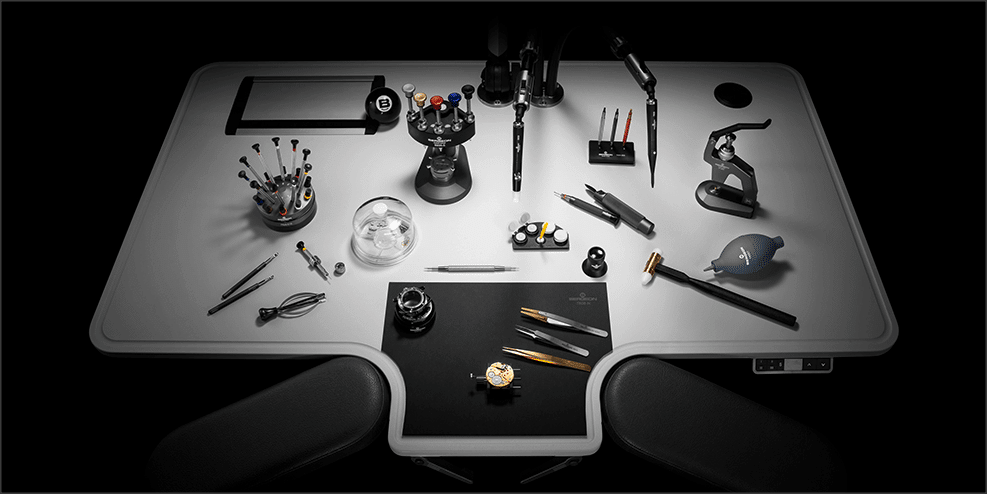
Watchmakers rely on several specialized tools during crystal restoration. This crystal repair guide will tell you some of the best tools along with their purpose.
| Tool | Purpose |
|---|---|
| Polishing compounds | Removing scratches |
| Microfiber cloths | Safe polishing surface |
| Felt polishing wheels | Controlled polishing |
| Masking tape | Protecting the case |
| Rotary polishing tools | Improving efficiency |
Using the correct tools ensures better results and reduces the risk of damaging the watch.
Preventing Future Crystal Scratches
Although restoration techniques can improve scratched crystals, prevention remains the best strategy.
Several habits help reduce the risk of scratches.
- Store watches in padded watch boxes
- Remove watches during heavy manual work
- Avoid contact with rough surfaces
- Clean crystals regularly using microfiber cloths
Because sapphire crystals resist scratches more effectively, many modern watches use them for everyday durability.
However, careful handling protects any crystal material from unnecessary wear.
When To Seek Professional Help
While many acrylic scratches can be removed at home, some situations require professional attention.
For example, professional repair becomes necessary when:
- The scratch is deep or cracked
- The crystal contains an anti-reflective coating
- The watch has high value or collector significance
- Sapphire polishing requires specialized tools
Professional watchmakers can assess the damage and recommend the safest repair method.

Final Thoughts
Restoring scratched watch crystals requires understanding the material involved. Acrylic crystals are the easiest to restore because polishing compounds can quickly remove scratches. Mineral glass provides better scratch resistance but requires more effort to polish. Sapphire crystals offer exceptional durability, yet deep scratches often require professional repair or replacement.
Therefore, identifying the crystal material and assessing scratch depth should always come first. Once these factors are understood, appropriate polishing techniques can restore clarity and improve the watch’s appearance.
Ultimately, proper restoration not only improves aesthetics but also helps extend the life of the watch. By choosing the right method for acrylic, mineral, or sapphire crystals, collectors and enthusiasts can keep their watches looking clear and well-maintained for years.