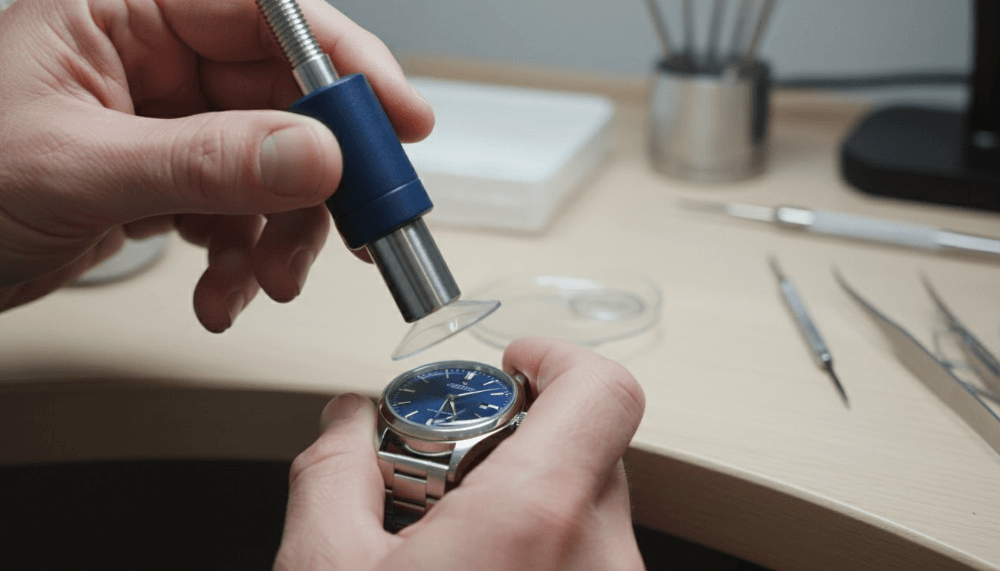
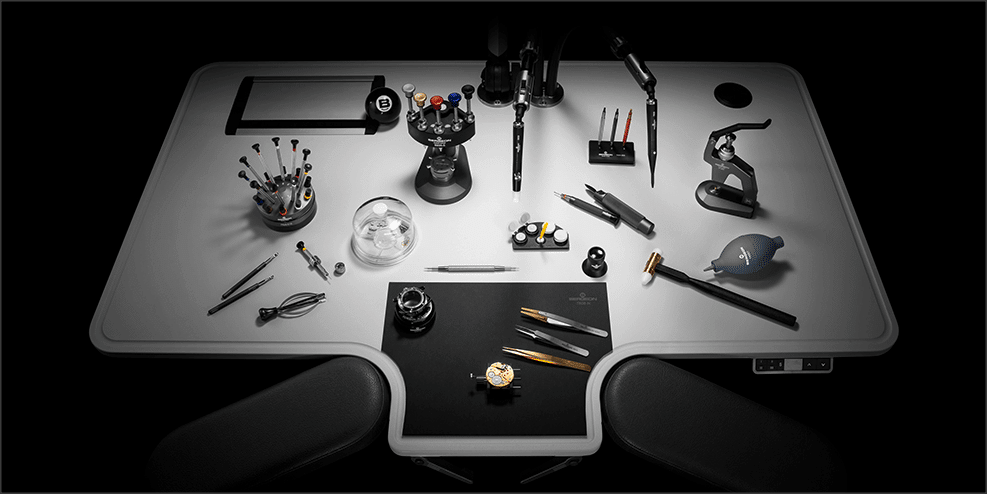
Watchmaking remains one of the most specialized crafts in the world. It combines micro-mechanics, hand-finishing, diagnostics, restoration, manufacturing, design, and a deep respect for mechanical tradition. However, modern watchmaking education is no longer limited to Switzerland. Today, students can find serious watchmaking schools and related horology courses across Europe, North America, Asia, and Oceania.
Moreover, the profession has become more urgent. Luxury mechanical watches require qualified servicing, vintage watches need restoration expertise, and brands need technicians who can work confidently with tolerances measured in microns. As a result, watchmaking schools now serve several types of students: complete beginners, apprentices, career changers, brand-sponsored trainees, restorers, jewelers, micro-mechanics students, and experienced professionals seeking advanced specialization.
Below is a structured reference to major watchmaking schools and courses by continent and country, including public institutions, private academies, brand-supported schools, and complementary micro-mechanics programs.
Switzerland: The Heart of Formal Watchmaking Education

Switzerland still sets the global benchmark for professional watchmaking training. In particular, Swiss schools benefit from proximity to manufacturers, component suppliers, after-sales service centers, and historic watchmaking regions. Many Swiss programs combine traditional bench skills with modern micromechanics, CAD, manufacturing technology, and quality-control methods.
Geneva
Geneva plays a central role in haute horlogerie, and its schools reflect that status. The CFPT – Geneva Watchmaking School traces its identity to one of Switzerland’s oldest horological education traditions. The Geneva School of Watchmaking is part of the Center de formation professionnelle technique and focuses on horology and micromechanics; recent sources also note its relocation to the Espace Tourbillon campus in Plan-les-Ouates, close to major watchmaking companies.
Additionally, Ifage Fondation pour la Formation des Adultes offers adult education opportunities in Geneva that suit learners who want to retrain or add technical skills later in their careers. CFP Arts Center de Formation Professionnelle supports craft and applied-arts pathways. At the same time, HEPIA — Haute École de Paysage, d’Ingénierie et d’Architecture de Genève — strengthens the engineering and applied-technology side of the region’s education ecosystem. Together, these Geneva institutions create a pipeline from craft training to technical and engineering-level study.
Vaud
Vaud is home to one of the most famous watchmaking regions in the world: the Vallée de Joux. ETVJ – École Technique de la Vallée de Joux, based in Le Sentier, sits in a region surrounded by high-end manufacturers and microtechnical companies. The school describes itself as a professional education institution known for strong technical and artisanal work, while industry references note training in watchmaking, jewelry, technical design, and micromechanics.
Meanwhile, HEIG-VD in Yverdon-les-Bains adds higher education in engineering and management. Therefore, students interested in production, microtechnology, industrial processes, or management in watchmaking-related sectors may find Vaud especially attractive.
Neuchâtel
Neuchâtel and Le Locle remain essential to Swiss watchmaking education. CPNE – Center de Formation Professionnelle Neuchâtelois offers initial, higher, and continuing vocational education designed around individual and economic needs. CPNE AA in La Chaux-de-Fonds adds applied-arts training, which matters because watchmaking relies not only on mechanics but also on design, finishing, engraving, and aesthetic judgment.
Haute École Arc Ingénierie, located across Le Locle and Neuchâtel, supports the advanced engineering side of horology. It connects watchmaking to microengineering, materials, product development, and industrial innovation. In addition, Fondation WOSTEP in Neuchâtel remains one of the most internationally recognized names in watchmaking education. Founded in 1966, WOSTEP describes itself as an independent training center supported by the Swiss watch industry, offering specialized training programs for the next generation of Swiss watchmaking professionals.
Jura, Bern, and Solothurn
The Jura region includes CEJEF Division Technique in Porrentruy, a technical training route connected to the wider Jura watchmaking arc. Bern contributes to the Technical College of Biel/Bienne and CEFF Center de Formation Professionnelle Berne Francophone in Saint-Imier, both located near historically important watchmaking towns.
Finally, Solothurn has the ZeitZentrum – Uhrmacherschule Grenchen. This school has a deep tradition in the German-speaking part of Switzerland and offers routes such as four-year watchmaker training, three-year production watchmaking, and two-year watch worker training. Consequently, Grenchen remains important to students seeking Swiss vocational training outside French-speaking Switzerland.
Europe: Diverse Routes into Horology

Europe offers a wide range of watchmaking education, from historic public schools to private seminars and brand-linked programs. Although Switzerland dominates the conversation, countries such as Germany, France, Finland, Sweden, and the United Kingdom maintain strong horological traditions.
Austria
Austria includes HT Karlstein in Karlstein and CGG in Vienna. These schools support technical, craft, and horological education within a Central European tradition of precision work. Students interested in clockmaking, restoration, jewelry-adjacent crafts, or practical mechanics may find Austria a useful option.
Belgium
Belgium offers Technicum Noord in Antwerp and the I.A.T.A. Institute of Arts Education, Techniques, Sciences, and Crafts in Namur. These institutions sit at the intersection of technical education and craft training. Moreover, Belgium’s central European location provides students with access to broader networks in restoration, jewelry, and applied arts.
Germany
Germany has one of Europe’s most respected watchmaking cultures, especially through the Black Forest and Glashütte traditions. Robert Gerwig Schule in Furtwangen states that it has trained watchmakers for 150 years, which makes it a major institution for German horological education. The The The
Glashütte Original Uhrmacherschule “A. Helwig” in Glashütte also holds exceptional prestige. The school connects students to the Saxon watchmaking tradition, and Glashütte itself remains one of the world’s great watchmaking towns.
Additionally, the Goldschmiedschule mit Uhrmacherschule in Pforzheim offers watchmaking alongside jewellery and goldsmithing, while the Berufliche Schule Farmsen in Hamburg provides vocational education. Flüthe Uhrenseminare in Telgte, meanwhile, offers seminar-style training for enthusiasts and professionals who want focused instruction rather than a full-time program.
Denmark and Finland
Denmark’s Den Danske Urmagerskole supports watchmaker education for the Danish market. Meanwhile, the Finnish School of Watchmaking in Espoo has a particularly strong reputation. The school describes itself as a vocational school where traditional craftsmanship meets modern micromechanics, training both watchmakers and micromechanics specialists.
As a result, Finland appeals to students who want rigorous bench training with a strong connection to independent watchmaking and precision engineering.
France
France has a rich horological heritage, especially in Besançon, Morteau, Cluses, and other regions close to Switzerland. Lycée Edgar Faure in Morteau offers training in horology, jewelry, microtechniques, and machining, and its location near the Swiss border gives students access to a significant watchmaking labor market.
Together, these schools make France one of the best countries outside Switzerland for formal watchmaking education.
Hungary, Italy, the Netherlands, Portugal, Spain, and Sweden
Hungary’s WMS – Watchmaker School Budapest offers a route into the craft for Central European students. Italy’s Creative Academy connects watchmaking-adjacent design, luxury, and craftsmanship. The Netherlands includes Vakschoolle, while Portugal offers Casa Pia de Lisboa and IPR – Instituto Português de Relojoaria.
Spain has the Institut Mare de Déu de la Mercè and the Jewelry Studies Center of Madrid, both useful for students interested in technical crafts, jewelry, and horology. Sweden’s IHU – Urmakarskolan in Motala also supports Scandinavian watchmaking education and helps maintain professional servicing skills in the region.
United Kingdom
The United Kingdom has a major horological legacy, and several institutions keep that tradition alive. The British School of Watchmaking in Manchester offers WOSTEP-certified training; the Clockmakers’ Company notes both a two-year 3,000-hour course and a 1,800-hour course focused on quartz and mechanical watch servicing.
Additionally, Birmingham City University can support design and technical pathways, while West Dean College in Chichester is respected for conservation, restoration, and craft education. The British Horological Institute in Newark remains a key professional body for horological learning. Quality Time Clock Courses in West Sussex and at the Epping Forest Horology Center also serve students who want clock repair, restoration, or shorter specialist courses.
The Americas: Brand-Backed Training and Vocational Routes

The Americas have fewer schools than Europe, yet the region offers serious pathways into professional watch servicing. Because the North American market has a great demand for after-sales service, many programs focus on practical bench competence and employability.
Canada
Canada includes École Nationale de l’Horlogerie. This school supports French-language watchmaking education and helps maintain technical training for Canada’s watch repair and service market.
United States
The United States has several important watchmaking schools. Lititz Watch Technicum in Pennsylvania became famous for its Rolex-supported training model, although current sources indicate that Rolex now emphasizes its Dallas training center. Rolex states that it opened the Lititz Watch Technicum in 2001 to address industry needs and later opened the Rolex Watchmaking Training Center in Dallas.
The IOSW – North American Institute of Swiss Watchmaking in Fort Worth trains students in Swiss watchmaking standards and emphasizes both traditional craftsmanship and modern horological education. The Veteran Watchmaking Initiative also deserves special mention: it teaches watchmaking to U.S. veterans, especially disabled veterans, and offers programs free of charge.
Other U.S. options include AWCI Bench Courses, Gem City College School of Horology in Quincy, Illinois, Norwest School of Horology, York Time Institute, Paris Junior College, Rolex Watchmaking Training Center, and Watch Technology Institute in Seattle. Therefore, U.S. students can choose between full-time school programs, brand-supported training, community college routes, and shorter professional bench courses.
Asia and Oceania: Growing Centers for Watchmaking Education

Asia has become increasingly important in luxury watch retail, servicing, and collecting. Consequently, several schools now train watchmakers close to major markets.
Australia
Australia includes the Australian Antiquarian Horological Society Inc., which supports horological knowledge, collecting, conservation, and education. While Australia has fewer full-time school options than Europe, enthusiasts and restorers can still build skills through society-based learning, specialist workshops, and mentorship.
China and Hong Kong
China includes IOSW – China Institute of Swiss Watchmaking, while Hong Kong includes IOSW – Hong Kong Institute of Swiss Watchmaking. Richemont notes that the Institute of Swiss Watchmaking operates in Hong Kong SAR, Shanghai, and Dallas, and that it was founded in 2009 to train highly skilled watchmaking specialists for Swiss watch servicing outside Europe.
This model makes sense because Hong Kong and mainland China remain major markets for Swiss watches. Therefore, local training helps brands shorten service times, improve technical standards, and build regional talent.
Japan
Japan has a strong culture of precision, collecting, independent watchmaking, and technical education. Hiko Mizuno Watchmaking School, part of Hiko Mizuno College, offers watch-related training in Tokyo and connects students to Japan’s broader craft and design ecosystem. Hiko’s English-language site highlights campuses in Tokyo and Osaka, as well as strong employment support for international graduates who want to work in Japan.
Additional Japanese options include Oumi Tokei School and Osaka “Watches Expert Employment Training School.” Together, these schools serve students who want careers in repair, retail service, restoration, and support for watch manufacturing.
Russia
Russia is represented by Watch Academy, which represents the country’s horological training landscape on this list. Students in Russia often approach watchmaking through repair, restoration, collector networks, and specialist academies. As with many smaller markets, prospective students should verify course duration, curriculum, instructor background, bench facilities, and whether the school focuses on modern wristwatches, clocks, vintage restoration, or general repair.
How to Choose the Right Watchmaking School

Choosing a watchmaking school requires more than comparing names. First, students should decide whether they want a complete professional qualification, a brand-service career, independent repair skills, micro-mechanics training, clock restoration, or an introductory course. Next, they should examine workshop hours, class size, tool requirements, certification, graduate placement, and industry partnerships.
Furthermore, location matters. Studying in Geneva, Le Locle, La Chaux-de-Fonds, the Vallée de Joux, Glashütte, Furtwangen, Besançon, Morteau, Manchester, Dallas, Hong Kong, or Tokyo can place students close to brands, service centers, museums, and employers. However, a smaller school may offer more personal instruction, especially for restoration or bench-focused training.
Finally, students should contact each school directly before applying. Admissions rules, language requirements, costs, visas, sponsorships, and course availability change often. Nevertheless, the schools listed above give future watchmakers a strong starting point. Whether a student chooses a Swiss vocational route, a French lycée, a German Uhrmacherschule, a WOSTEP-linked program, a U.S. brand-supported course, or an Asian institute, the goal remains the same: to master the precise, patient, and rewarding craft of making time work.