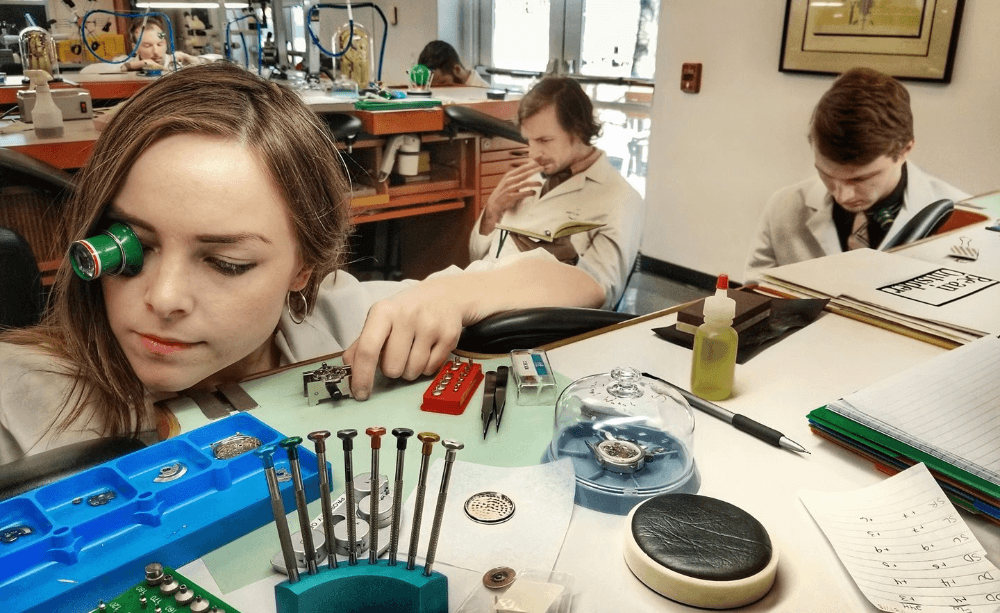
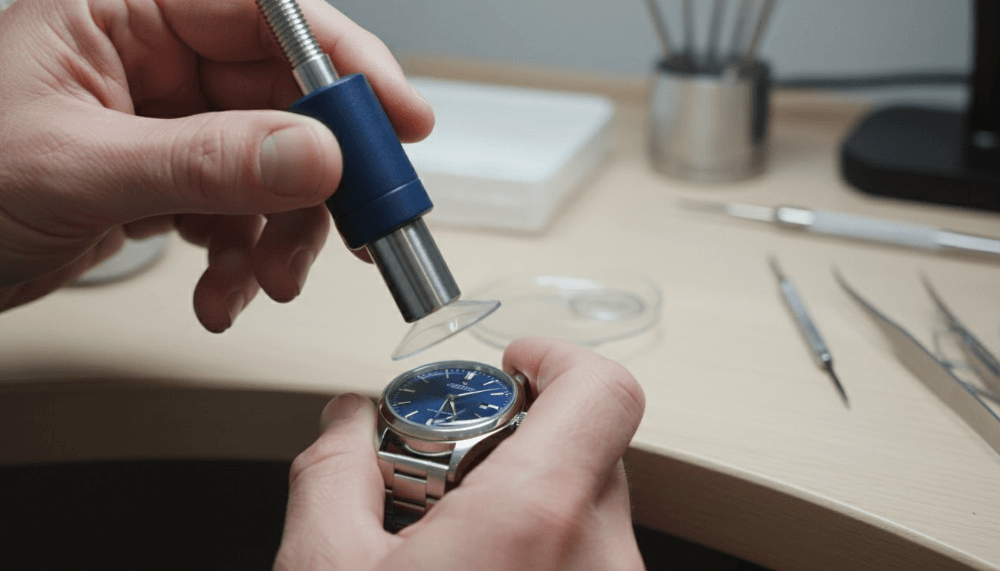
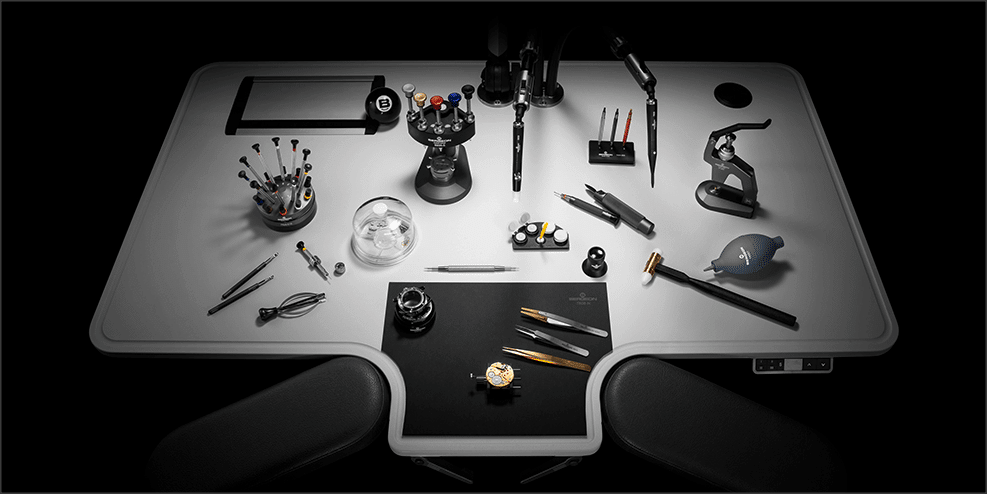
Serious watch collectors often focus on movements, complications, and historical significance. However, tools play an equally important role in maintaining and caring for a watch collection. Although professional watchmakers rely on advanced equipment, collectors can perform many basic tasks with a carefully selected set of tools.
Therefore, building a small but effective watch toolkit makes sense for any enthusiast who wants to adjust bracelets, change straps, inspect movements, or perform light maintenance. With the right tools, collectors can handle routine tasks safely while avoiding unnecessary trips to a service center.
However, not all tools offer the same quality or usefulness. Some tools help protect delicate components, while others reduce the risk of scratching cases or damaging screws. Consequently, choosing the right tools becomes essential for preserving both the appearance and functionality of a watch.
This guide explores the essential watchmaker tools that every serious collector should consider owning. In addition, it explains how each tool contributes to safer and more efficient watch handling.
Why Watch Collectors Benefit From Owning Basic Watch Tools
Many collectors initially rely on professional service centers for every small adjustment. However, simple tasks such as resizing a bracelet or replacing a strap do not always require professional intervention.
Therefore, basic watch tools provide several advantages. First, they allow collectors to perform routine adjustments quickly and safely. Second, they reduce the risk of damage often associated with using improvised tools. Finally, they help collectors understand their watches more deeply.
Additionally, owning proper tools encourages careful handling of watches. When collectors use professional-grade tools instead of household substitutes, they significantly reduce the chance of scratches and accidental damage.
Consequently, even a small toolkit can improve both convenience and watch care.
Precision Screwdrivers
Precision screwdrivers represent the foundation of any watch toolkit. Because watch movements and bracelets contain extremely small screws, ordinary screwdrivers cannot provide the required control.
Watchmaker screwdrivers feature narrow tips designed specifically for delicate screws. Moreover, they often include rotating caps that allow the user to apply steady downward pressure while turning the tool.
Collectors frequently use these screwdrivers for tasks such as:
- Removing bracelet screws
- Opening certain case backs
- Adjusting clasp mechanisms
- Working with movement holders
However, screwdriver quality matters significantly. Cheap screwdrivers may have poorly machined tips that slip easily and damage screws. Therefore, collectors should choose well-made screwdrivers that maintain precise tip geometry.
Tweezers For Handling Small Components
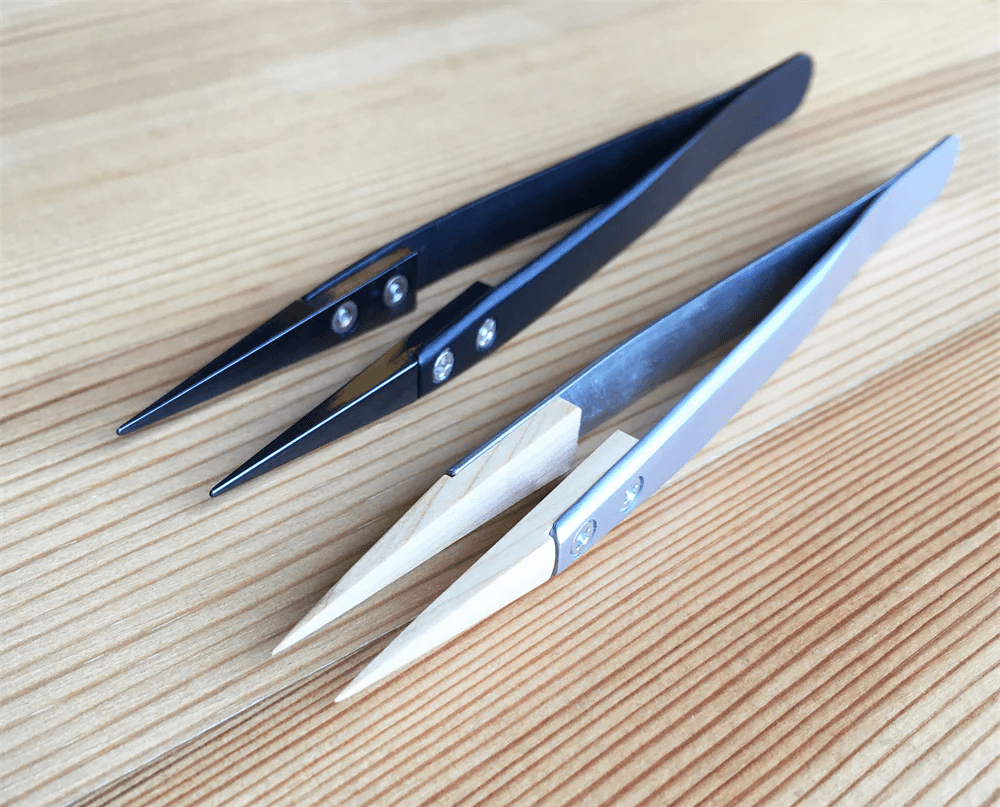
Tweezers allow watchmakers to handle extremely small parts without touching them directly. Consequently, they remain among the most essential tools in watchmaking.
Watch tweezers differ from ordinary tweezers because they offer fine tips and precise control. Additionally, many watchmakers use non-magnetic tweezers to prevent magnetization of sensitive components.
Collectors may use tweezers for tasks such as:
- Handling spring bars
- Removing small screws
- Placing movement parts carefully
- Picking up tiny components safely
Although tweezers appear simple, their quality greatly affects usability. Therefore, a well-balanced pair of fine tweezers improves accuracy and reduces frustration.
Spring Bar Tools
Spring bars secure watch straps and bracelets to the case. Consequently, a spring bar tool becomes essential for collectors who regularly change straps.
This tool features a forked tip designed to compress the spring bar and release it from the lugs. Additionally, many spring bar tools include a pointed tip that helps remove drilled lug spring bars.
Collectors often use this tool for:
- Changing straps quickly
- Removing bracelets safely
- Installing new straps without scratching lugs
Because lugs scratch easily, a proper spring bar tool protects the watch case during strap changes.
Case Openers
Case openers allow collectors to access the interior of a watch. However, collectors should use them carefully and only when necessary.
Different watches require different case opener designs. Common types include:
- Screw-back case openers
- Case knives for snap backs
- Adjustable case wrenches
Collectors often open cases for tasks such as battery replacement or movement inspection.
However, improper tools can easily damage the case back. Therefore, collectors should always use the correct case opener for their specific watch design.
Loupe For Magnification

Watch components are extremely small. Therefore, magnification becomes essential for accurate inspection.
A watchmaker loupe provides hands-free magnification while keeping both hands free for work. Many collectors use loupes with magnifications ranging from 3x to 10x.
Collectors frequently use loupes for:
- Inspecting scratches or damage
- Examining dial details
- Checking bracelet wear
- Viewing movement components
Because magnification improves visibility, it also improves precision and reduces mistakes.
Movement Holders
Movement holders secure watch movements during servicing or inspection. Without a holder, movements can shift or become damaged during handling.
Movement holders stabilize the movement while allowing access to the dial and movement components. As a result, collectors can work more safely when removing hands or performing minor adjustments.
Although many collectors do not perform full movement servicing, a movement holder remains useful for inspecting or photographing movements.
Hand Removal And Installation Tools
Removing and reinstalling watch hands requires specialized tools. Ordinary tools can easily bend hands or damage the dial.
Hand removal tools lift hands evenly from the dial while protecting delicate surfaces. Meanwhile, hand-setting tools allow controlled installation of hands during reassembly.
Collectors may use these tools during:
- Movement swaps
- Dial replacements
- Movement servicing
Because hands are delicate, these tools significantly reduce the risk of damage.
Case Cushions
Case cushions support the watch during servicing. These soft pads prevent the watch from sliding while protecting the crystal and case.
Collectors often use case cushions during:
- Bracelet removal
- Case opening
- Movement work
Although case cushions are inexpensive, they greatly improve work stability and safety.
Cleaning Tools
Cleaning tools help maintain watches and remove dust or debris during servicing.
Common cleaning tools include:
- Dust blowers
- Rodico cleaning compound
- Pegwood sticks
Dust blowers remove particles without touching delicate components. Meanwhile, Rodico helps lift dirt and oils from surfaces.
Pegwood sticks assist in cleaning small crevices and applying controlled pressure to tiny components.
Together, these tools help keep watches clean during maintenance work.
Workbench Accessories
Although tools matter, workspace accessories also improve efficiency. A well-organized bench prevents parts from getting lost and keeps tools within reach.
Useful accessories include:
| Accessory | Purpose |
|---|---|
| Parts trays | Storing small components |
| Bench mats | Preventing scratches |
| Tool stands | Organizing tools |
| LED bench lighting | Improving visibility |
Good lighting, in particular, improves accuracy and reduces eye strain.
Therefore, collectors should treat workspace setup as an important part of their toolkit.
Choosing Quality Tools
Not all watch tools offer the same reliability. While inexpensive tools may seem appealing initially, poor-quality tools often cause more problems than they solve.
Collectors should prioritize quality for tools that interact directly with delicate components. Screwdrivers, tweezers, and spring bar tools fall into this category.
However, collectors can often save money on accessories such as storage trays and bench mats.
Therefore, a balanced approach allows collectors to build a high-quality toolkit without excessive spending.
Building A Toolkit Gradually
Collectors do not need to purchase every tool immediately. Instead, they can build their toolkit gradually as their needs evolve.
For example, collectors may begin with a spring-bar tool, a loupe, and a screwdriver set. Later, they might add case openers, movement holders, and specialized tools.
This gradual approach spreads costs over time and ensures that every tool serves a real purpose.
Additionally, collectors learn which tools best suit their working style.

Final Thoughts
A well-chosen toolkit allows serious watch collectors to maintain and enjoy their watches more fully. With the right tools, collectors can safely adjust bracelets, change straps, inspect movements, and perform light maintenance.
However, tool selection requires careful consideration. Precision screwdrivers, tweezers, spring bar tools, and magnification equipment form the foundation of any collector’s toolkit.
As collectors gain experience, they can gradually expand their tools and workspace. Over time, a small toolkit can evolve into a fully functional watch workbench.
Ultimately, the goal is not to replace professional watchmakers. Instead, the goal is to handle routine tasks responsibly while preserving the quality and longevity of a valuable watch collection.