Horopedia.org is a non-profit online encyclopedia dedicated entirely to watchmaking, horological culture, and the broader watch industry ecosystem. Unlike traditional watch websites that focus mainly on brands, product launches, or reviews, Horopedia centers on education, preservation, and transmission of watchmaking knowledge. Therefore, it occupies a very different space within the watch world.
The platform describes itself as the first neutral and independent online video encyclopedia focused exclusively on watchmaking and its ecosystem outside the world of brands. Its mission is to document the professions, tools, techniques, history, and mechanical principles that shape horology.
For watch enthusiasts, students, collectors, and professionals, that mission makes Horopedia.org particularly interesting. Instead of concentrating on luxury marketing, the site focuses on understanding how watches work, how components are made, and how watchmaking knowledge can be preserved for future generations.
This review explores what Horopedia.org offers, how the platform works, who benefits most from it, and why it has become an increasingly important educational resource in modern watchmaking.
The Purpose Behind Horopedia.org
Horopedia.org was created to preserve and share horological knowledge in an accessible and modern format. The project launched publicly in 2022 and was later governed by the Horopedia Foundation, a Swiss public-interest foundation based in Geneva.
The platform repeatedly emphasizes neutrality and independence. That distinction matters because many watch-related websites depend heavily on brand partnerships and commercial promotion. In contrast, Horopedia positions itself as an educational platform that documents the watchmaking world rather than advertising products.
According to the foundation, the goal is to preserve professions, arts, technical skills, traditions, and historical knowledge related to watchmaking.
Consequently, the website feels more like a digital museum and educational archive than a conventional watch publication.
Why Horopedia.org Stands Out
Many websites discuss watches. However, relatively few explain the technical foundations of horology in a structured and educational way.
Horopedia stands out because it combines several elements:
| Feature | What It Offers |
|---|---|
| Educational videos | Technical explanations and demonstrations |
| Interactive learning | Clickable educational video elements |
| Watchmaking glossary | Definitions of horological terminology |
| Historical content | Explanations of inventions and traditions |
| Professional interviews | Testimonials from industry professionals |
| Multilingual access | Content in English, French, and German |
Because of this structure, Horopedia.org serves both beginners and advanced enthusiasts.
Additionally, the platform avoids overwhelming visitors with commercial content or aggressive advertising. Instead, it focuses heavily on learning and discovery.
The “Wikipedia Of Watchmaking” Comparison
Several publications have described Horopedia as the “Wikipedia of watchmaking.”
Although the comparison slightly simplifies the concept, it helps explain the platform’s role. Horopedia aims to become a comprehensive digital reference for watchmaking knowledge, much like Wikipedia became a reference source for general knowledge.
However, Horopedia differs from Wikipedia in several important ways.
First, the platform relies heavily on high-quality educational videos and visual explanations rather than text alone. Second, it focuses exclusively on horology. Third, the content follows a more curated and specialized educational approach.
As a result, Horopedia feels more immersive and focused than a traditional encyclopedia.
Educational Videos And Technical Content

The strongest aspect of Horopedia.org is probably its video-based educational format.
The website contains videos covering:
- Mechanical watch principles
- Escapements
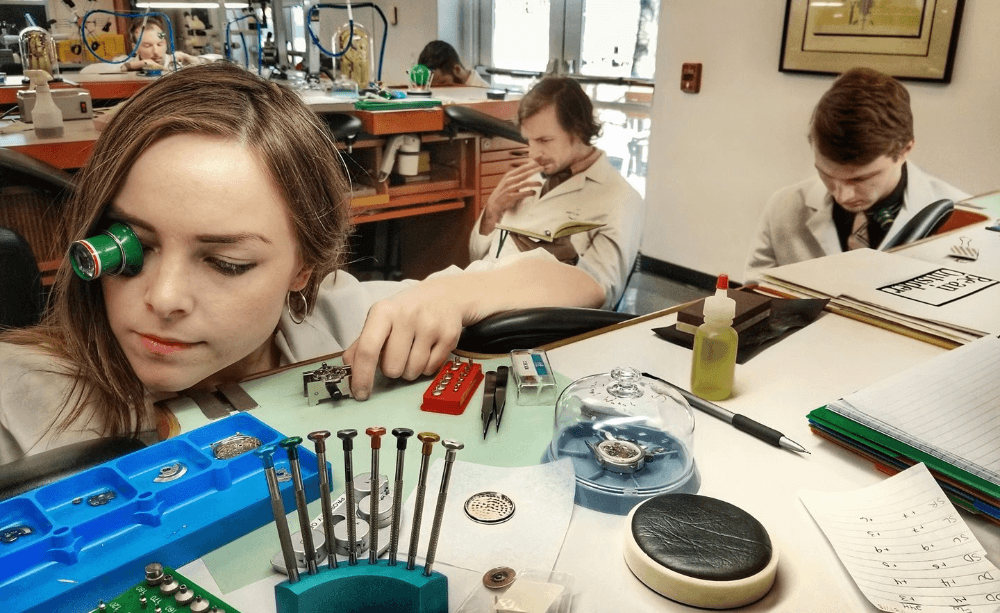
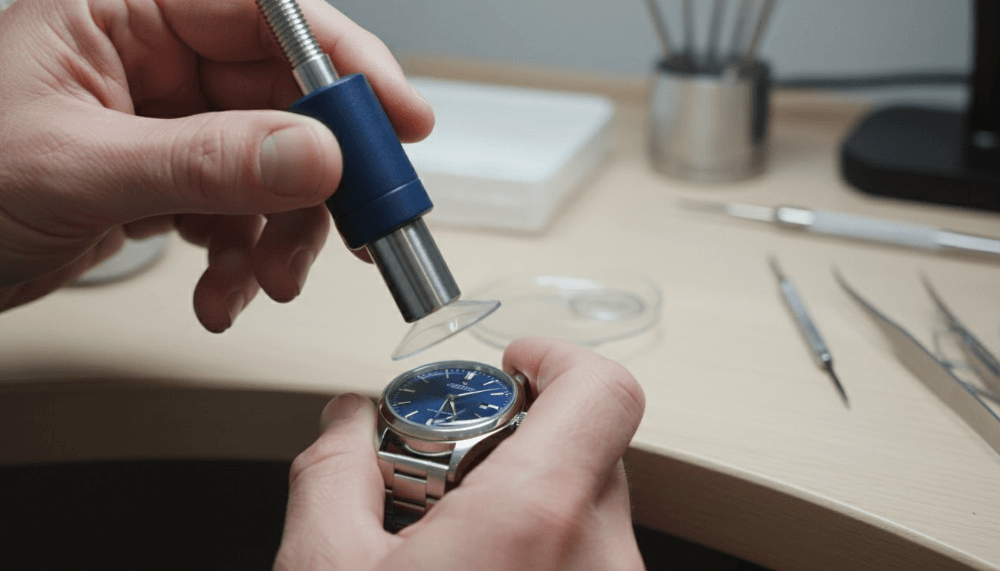
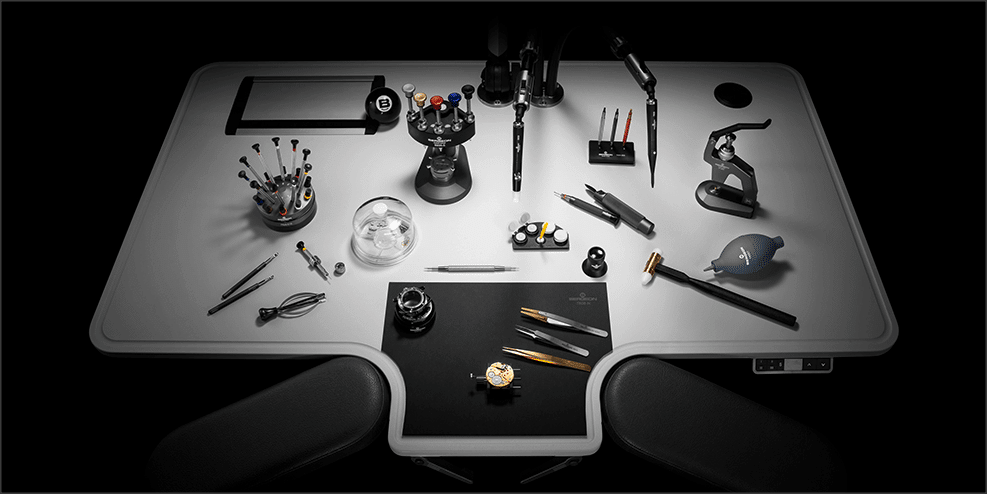
- Watchmaking tools
- Component manufacturing
- Finishing techniques
- Professional watchmaking trades
- Schools and museums
- Historical watchmaking knowledge
According to the platform, it hosts more than 100 multilingual documentary films on watchmaking education.
This approach matters because watchmaking is highly visual. Reading about a balance wheel or escapement helps to a point. However, seeing the mechanism in motion provides a much deeper understanding.
Moreover, the production quality appears far more polished than many free educational resources online.
Interactive Learning Features
One of Horopedia’s more innovative features involves interactive educational content.
The platform recently introduced interactive videos that allow users to click directly within the educational material to access definitions, technical sheets, timestamps, or additional explanations.
That feature changes how users engage with the material. Instead of passively watching a video, viewers can actively explore related concepts as they learn.
For example, while watching a video on mechanical principles, a user might click a component to access a definition or a deeper explanation. Consequently, the learning process becomes more immersive and intuitive.
This interactive approach also makes the platform more accessible for beginners who may not already understand technical watchmaking terminology.
The Glossary And Encyclopedic Structure
Horopedia.org also includes an extensive A–Z glossary covering horological terminology and concepts.
The glossary appears to function as the backbone of the encyclopedia. Users can search terms directly or navigate through categories related to:
- Tools
- Components
- Mechanical principles
- Finishing techniques
- Institutions
- Trades and professions
- Complications
Additionally, the site connects glossary terms with videos, technical explanations, and visual materials. Therefore, the platform encourages continuous exploration rather than isolated reading.
According to Horopedia, the website now contains nearly 1,000 pages of definitions and historical information related to watchmaking.
That scale gives the project considerable depth.

Focus On Preservation And Education
Another major strength of Horopedia involves its broader cultural mission.
The foundation repeatedly emphasizes the preservation of watchmaking knowledge and its transmission to future generations.
This educational mission becomes especially important because traditional watchmaking skills risk disappearing over time. Many techniques rely on highly specialized craftsmanship passed between generations of watchmakers.
Therefore, documenting those skills through video, interviews, and educational archives creates long-term cultural value.
Moreover, Horopedia highlights professions that many enthusiasts rarely see discussed publicly, including component finishing, manufacturing techniques, and specialized watchmaking trades.
The Human Side Of Watchmaking
Unlike many technical watch resources, Horopedia also focuses on the people behind horology.
The site includes interviews and testimonials from watch designers, watchmakers, educators, and other industry professionals.
That human focus gives the platform more personality and depth.
For example, professional interviews discuss career paths, design philosophy, craftsmanship, and the realities of working in watchmaking. Consequently, the platform feels less abstract and more connected to the individuals who sustain the industry.
This approach also makes Horopedia more engaging for younger audiences and students considering careers in horology.
The MACH Project
Beyond the online encyclopedia, Horopedia also plans a physical cultural space known as the Maison des Arts & de la Culture Horlogère (MACH).
According to the foundation, MACH will become a watchmaking-focused cultural venue in Geneva featuring exhibitions, educational spaces, interactive experiences, and conferences.
The project reflects Horopedia’s broader ambition. The platform is not simply building a website. Instead, it aims to become a long-term educational and cultural institution centered on watchmaking heritage.
Who Should Use Horopedia.org?
Horopedia.org works especially well for several audiences.
| Audience | Why It’s Useful |
|---|---|
| Watch enthusiasts | Learn how watches actually work |
| Collectors | Understand components and history |
| Students | Access educational watchmaking resources |
| Watchmakers | Explore technical documentation |
| Beginners | Learn foundational horology concepts |
Because the platform avoids overly commercial content, it also works well for people who want to study watchmaking without being bombarded by constant product marketing.
Strengths Of Horopedia.org
Horopedia has several clear strengths.
- First, the educational quality feels serious and carefully structured.
- Second, the video-focused format makes technical subjects easier to understand.
- Third, the platform’s independence and non-profit structure help reinforce credibility.
- Fourth, the multilingual content increases accessibility for international audiences.
Finally, the combination of glossary entries, videos, interactive tools, and professional interviews creates a richer learning environment than many standard watch websites.
Areas That May Not Appeal To Everyone
Although Horopedia offers impressive educational depth, it may not suit every watch enthusiast equally.
For example, collectors looking primarily for watch reviews, new releases, or buying advice may find the platform more educational than commercial.
Similarly, casual users who prefer quick social-media-style content may not engage deeply with longer educational videos and technical material.
However, that focus also represents one of the platform’s biggest strengths.

Final Verdict
Horopedia.org is one of the most ambitious educational projects currently operating in the watch industry. Rather than focusing on luxury branding or commercial hype, the platform concentrates on preserving and explaining the technical, historical, and human foundations of watchmaking.
Its strongest features include high-quality educational videos, interactive learning tools, multilingual content, and an extensive horological glossary. Additionally, the project’s non-profit and independent structure gives it a credibility that many commercial watch websites cannot easily replicate.
Most importantly, Horopedia succeeds because it treats watchmaking as a culture, a craft, and a body of knowledge rather than simply a consumer luxury.
For anyone serious about understanding watches beyond brand names and specifications, Horopedia.org deserves attention. Whether you are a beginner, collector, student, or professional, the platform offers one of the most comprehensive and educational watchmaking resources currently available online.