Rolex is not just a watch company. It is a global symbol of prestige, success, and timeless style. Across the world, few brands carry the same weight. Owning a Rolex is more than telling time. It signals status, taste, and achievement. This lasting power did not happen by chance. Instead, it comes from a carefully managed strategy. Some call it the Rolex principle.
But what does that principle mean? And how has Rolex maintained its dominance while other watchmakers rise and fall? Let’s dive into the story of Rolex’s success.
A Brand Larger Than Life
When Hans Wilsdorf founded Rolex in 1905, his mission was clear. He wanted to create wristwatches that combined precision with elegance. At the time, pocket watches still ruled. Many saw wristwatches as fragile or feminine. Wilsdorf set out to change that perception.
From the start, Rolex focused on quality and innovation. The company earned the first wristwatch chronometer certification in 1910. Then, in 1926, Rolex launched the Oyster, the world’s first waterproof watch. With every milestone, Rolex built credibility.
Yet, Rolex went beyond technical mastery. It crafted a story. Over time, this story became more powerful than the watch itself. That’s the essence of the Rolex principle.
Scarcity as a Strategy
One of Rolex’s most effective tools is scarcity. The brand produces roughly a million watches per year. This number might sound large, but global demand far exceeds supply. As a result, buyers often face waiting lists that stretch for years.
Unlike many companies, Rolex does not chase maximum volume. It controls production to protect exclusivity. Even authorized dealers rarely know when or how many watches they will receive. This uncertainty fuels desire.
Scarcity also affects the resale market. Many Rolex models sell for more secondhand than new. This rarity turns Rolex into both a luxury accessory and a financial asset. Other brands release countless models and flood the market. Rolex takes the opposite path.
The Power of Consistency
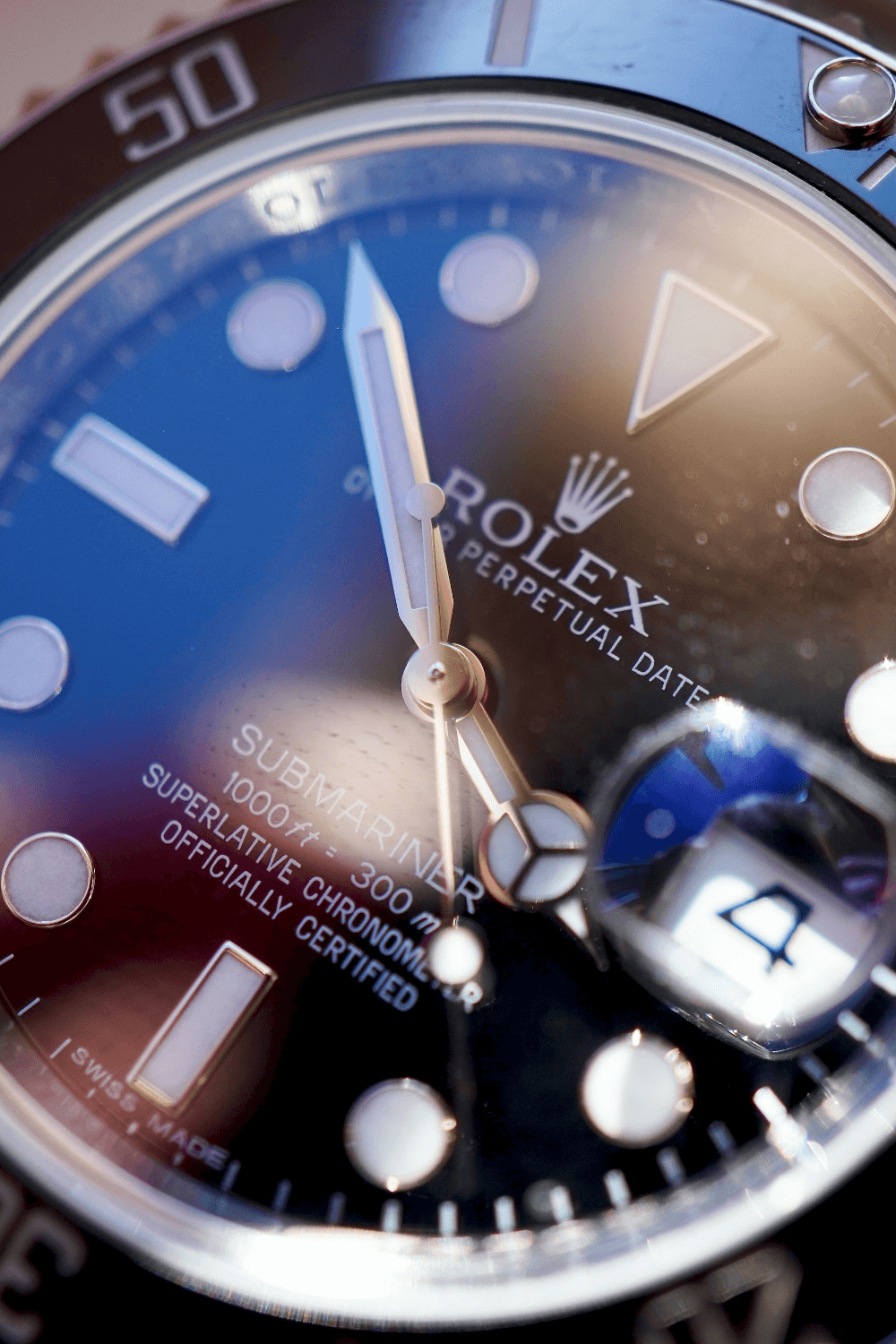
Another pillar of the Rolex principle is consistency. While other watchmakers constantly reinvent themselves, Rolex stays steady. The Submariner looks almost the same today as it did decades ago. The Datejust has kept its timeless silhouette since 1945.
This consistency builds recognition. A Rolex is instantly identifiable, even from a distance. Consumers trust the brand because it doesn’t chase trends. Instead, Rolex evolves slowly, making small but meaningful improvements.
Consistency also creates tradition. Buyers know that Rolex models won’t suddenly vanish or lose value. This stability builds confidence, which keeps demand high.
Marketing Beyond Advertising
Rolex spends heavily on marketing, but not in a typical way. You won’t see flashy ads promising luxury lifestyles. Instead, Rolex links itself to symbols of achievement.
Think of tennis. For decades, Rolex has sponsored Wimbledon. In golf, it backs the Masters. In motorsport, it partners with endurance races like Le Mans. These sponsorships tie the brand to excellence, discipline, and timeless prestige.
Rolex ambassadors are carefully chosen. They are achievers, not celebrities chasing fame. This subtle approach reinforces the brand’s values. It positions Rolex as a reward for hard work, not just a fashion accessory.
Myth and Storytelling
Rolex does not only sell watches. It sells myths. The Oyster was tested by Mercedes Gleitze during her swim across the English Channel in 1927. The Explorer accompanied Sir Edmund Hillary’s team as they conquered Mount Everest in 1953. The Submariner became synonymous with diving adventures.
These stories build an aura. When you wear a Rolex, you wear a piece of history. The brand has turned its models into legends. Few companies manage to link their products so deeply with human achievement.
Precision in Secrecy
Another part of the Rolex principle is secrecy. Unlike many luxury groups, Rolex is not publicly traded. It belongs to the Hans Wilsdorf Foundation, a private trust. This ownership structure frees Rolex from shareholder pressure.
Rolex does not publish financial data. It does not reveal production details. It avoids interviews. This mystery makes the brand even more fascinating. People speculate about its profits, strategies, and decisions. In luxury, mystery often adds value. Rolex understands this better than most.
Engineering Meets Craftsmanship
Behind the myth, Rolex also delivers solid engineering. Every watch goes through strict testing. The brand invests in its own foundry to produce steel, gold, and platinum. This vertical integration ensures total control over quality.
Rolex developed its own Cerachrom bezels, Parachrom hairsprings, and Oystersteel alloys. These innovations improve durability and precision. Collectors know that behind the glamour, Rolex watches are built to last generations.
Rolex as a Symbol of Success
Why do people crave Rolex so much? It goes beyond mechanics. A Rolex is a reward. It symbolizes achievement, whether professional, personal, or financial.
When someone receives a Rolex as a gift, it often marks a milestone. Graduations, promotions, and anniversaries become more meaningful with a Rolex. Because the brand is globally recognized, the message is universal.
That emotional connection explains why demand never fades. Rolex created not just a product, but a ritual.
Lessons from the Rolex Principle
The Rolex story teaches powerful lessons about luxury branding:
- Control supply – Scarcity fuels desire and protects value.
- Stay consistent – Timeless design builds recognition and trust.
- Tell stories – Myths and achievements elevate products into symbols.
- Be selective – Sponsorships and ambassadors must match brand values.
- Embrace secrecy – Mystery adds allure in a transparent world.
Other brands try to copy Rolex, but few succeed. The formula requires discipline and patience. Rolex never rushes. It thinks in decades, not quarters.
The Future of Rolex
Will the Rolex principle still work in the future? Many experts say yes. Luxury consumers value heritage, scarcity, and meaning more than ever. Digital hype comes and goes, but Rolex’s steady strategy gives it strength.
However, challenges exist. Counterfeits flood the market. Younger buyers sometimes turn to trendier brands. Yet, Rolex’s foundation is solid. It remains the gold standard of mechanical watchmaking.
Final Thoughts
The Rolex principle shows how a brand can transcend its product. Rolex built more than watches. It built a myth, a symbol, and a global benchmark of success.
Scarcity, consistency, secrecy, and storytelling are the cornerstones of its empire. Other brands may innovate faster, but few achieve Rolex’s cultural power.
When you see a Rolex on someone’s wrist, you don’t just see steel and gears. You see history, achievement, and a carefully crafted legacy. That is the Rolex principle — and it keeps ticking, just like the watches themselves.