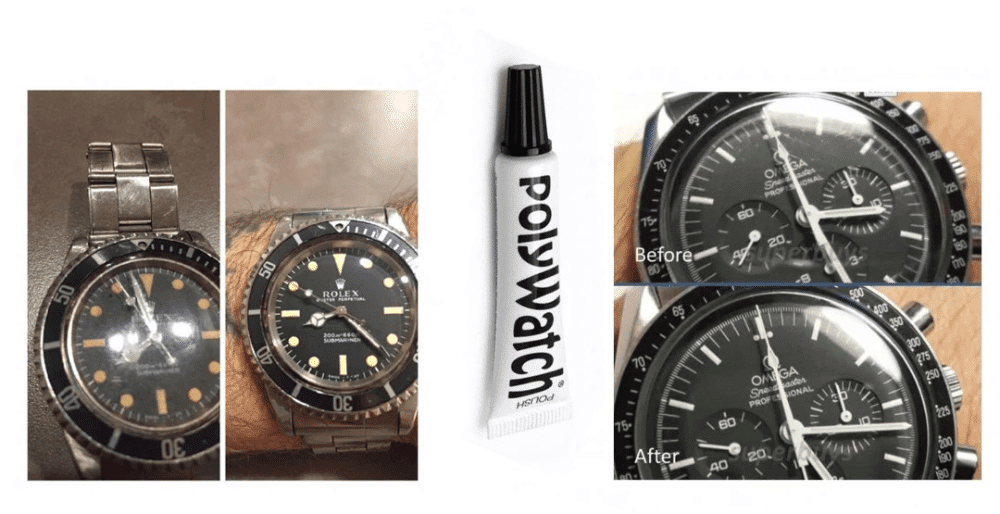
A watch can look clean and still be dirty. Oil breaks down inside the movement. Dust settles on bridges. Skin oils cling to bracelets. Therefore, cleaning is not just about appearance. It is about longevity, performance, and safe handling.
However, cleaning watches also carries risk. Water resistance can fail. Chemicals can damage seals. Ultrasonic cleaners can loosen parts if used incorrectly. Consequently, the best watch cleaning approach is not the most aggressive one. It is the most controlled one.
This guide explains the most useful watch cleaning tools, including ultrasonic cleaners, brushes, and safe cleaning solutions. It also shows what to clean at home, what to avoid, and how to build a cleaning routine that protects your watch instead of harming it.
Why Watch Cleaning Matters More Than Most Owners Think
Dirty watches wear faster. Therefore, cleaning directly affects lifespan.
Bracelets collect grime. Grime acts like abrasive paste. Consequently, links wear and loosen over time. Watches also collect sweat, salt, and soap residue. These materials can corrode components and dull finishes. Moreover, dirt around crowns and pushers can compromise seals.
Inside the movement, old oil thickens. Dust mixes with it. As a result, friction rises, amplitude drops, and wear increases. Cleaning and servicing prevent this. Therefore, watch cleaning is part of responsible ownership.
Yet cleaning must match the job. If you clean the wrong way, you create new problems.
The Two Categories Of Watch Cleaning
Watch cleaning falls into two categories. Therefore, you should mentally separate them.
External cleaning includes the case, bracelet, clasp, and crystal. This can often be done safely at home.
Internal cleaning includes movement parts. This requires disassembly, correct solutions, and careful drying. Therefore, it belongs in watchmaker-level work or professional service.
Many people confuse these categories. Consequently, they use ultrasonic cleaners on assembled watches, risking damage to seals or loosening of hands.
Always decide what you are cleaning before choosing a tool.
Ultrasonic Cleaners Explained
Ultrasonic cleaners use high-frequency sound waves in a liquid bath. Therefore, they clean by creating microscopic bubbles that collapse and release energy.
This process is called cavitation. Cavitation lifts dirt from tiny crevices. Consequently, ultrasonic cleaning works exceptionally well on bracelets, cases, and disassembled components.
However, ultrasonic cleaners are powerful. Therefore, you must use them carefully.
What Ultrasonic Cleaners Are Best For
Ultrasonic cleaners shine in a few specific tasks. Therefore, they are worth it for certain users.
Cleaning Metal Bracelets
Bracelets trap grime between links. Manual brushing helps, but it cannot reach deep gaps easily. Therefore, ultrasonic cleaning becomes the best method.
A 5- to 10-minute cycle often removes years of buildup. Consequently, the bracelet feels smoother and looks brighter.
Cleaning Watch Cases (Without The Movement)
Suppose you remove the movement and seals, an ultrasonic cleaner can thoroughly clean a case. Therefore, it works well for restoration projects.
However, do not ultrasonically clean a complete watch head unless you understand the risks. Water resistance can fail. Consequently, moisture can enter the case.
Cleaning Disassembled Movement Parts
Professional watchmakers use ultrasonic cleaning for movement parts after disassembly. Therefore, ultrasonic machines have a real place in servicing.
However, movement cleaning requires correct solutions and controlled drying. Consequently, beginners should not attempt full movement ultrasonic cleaning without practice.
What You Should Not Put In An Ultrasonic Cleaner
Ultrasonic cleaning is not universal. Therefore, these items should stay out.
- Assembled watches with unknown water resistance
- Vintage watches with fragile seals
- Leather straps and NATO straps
- Watches with loose bezel inserts
- Watches with glued stones or decorative elements
- Parts that include delicate jewels without the correct baskets
- Painted or lacquered components
- Hands and dials
Dials and hands are especially risky. Ultrasonic energy can damage finishes or loosen lume. Therefore, keep them out.
Choosing The Right Ultrasonic Cleaner
Not all ultrasonic cleaners perform the same. Therefore, choose based on practical features.
Tank Size
A small tank works for jewelry and small parts. However, a larger tank works better for bracelets.
If you plan to clean bracelets often, buy a tank that fits them without bending. Consequently, cleaning becomes more effective.
Timer And Temperature Control
A timer is important because ultrasonic cleaning should not run continuously. Therefore, adjustable time settings help.
Temperature control also matters because warm water increases cleaning efficiency. However, too much heat can damage seals. Consequently, controlled temperature offers safety and performance.
Basket And Parts Holder
Never place metal directly on the bottom of the ultrasonic tank. Therefore, use a basket.
The basket reduces harsh vibration and prevents scratching. Consequently, it protects both the parts and the machine.
Brushes: The Most Underrated Watch Cleaning Tool

Brushes are simple, but they matter. Therefore, every watch owner should own a few.
Brushes help you clean without aggressive chemicals. They also let you target specific areas. Consequently, they reduce risk compared to ultrasonic overuse.
Soft Toothbrush-Style Brushes
A soft brush works well for bracelets and cases. Therefore, it becomes a daily cleaning tool.
Use it with mild soap and warm water when safe. Then rinse and dry thoroughly.
Detailing Brushes
Small detailing brushes reach between lugs, around crowns, and inside clasp crevices. Therefore, they help where larger brushes fail.
These areas trap grime and sweat. Consequently, detailing brushes can prevent corrosion and residue buildup.
Natural Hair Brushes For Dust
On watchmaking benches, watchmakers use soft, natural hairbrushes to remove dust from movements and parts. Therefore, they are useful for hobbyists too.
However, avoid aggressive brushing of the movement parts unless you understand what you are doing. Dust removal is fine. Friction cleaning is not.
Pegwood And Rodico: Watchmaker Cleaning Staples
Some watch-cleaning tools can look strange to beginners. However, they solve specific problems.
Pegwood
Pegwood is sharpened wood used to clean tiny openings, jewel holes, and crevices. Therefore, it removes grime without scratching metal when used correctly.
Watchmakers also use pegwood to remove old oil residue around jewel settings. Consequently, it becomes a precision cleaning tool.
Rodico
Rodico is a soft, putty-like material that lifts dust and fingerprints. Therefore, it helps with hands, bridges, and dial-side work.
Rodico is not a cleaner for oil. It is a dust control tool. Consequently, it should be used lightly.
Overuse of Rodico can leave residue. Therefore, apply it carefully and avoid pressing it into textured surfaces.
Safe Cleaning Solutions For Watch Cleaning
Cleaning solutions matter as much as tools. Therefore, use safe solutions for the right tasks.
Mild Soap And Warm Water
For most external cleaning, mild soap and warm water are enough. Therefore, it is the best first option.
Use it for bracelets and cases, but only if the watch is water-resistant and the crown is sealed. Then rinse thoroughly and dry.
Specialized Watch Cleaning Sprays
Watch cleaning sprays are designed to gently dissolve oils and residue. Therefore, they help when soap alone feels insufficient.
Use sprays for external cleaning and light wipe-downs. However, avoid spraying directly into crowns or pushers. Consequently, you reduce seal risk.
Isopropyl Alcohol (With Caution)
Isopropyl alcohol cleans some surfaces well. However, it can dry out seals and damage certain plastics. Therefore, use it carefully.
Use it for tools, metal bracelets, and some external cleaning. Avoid it on painted surfaces, vintage coatings, and acrylic crystals.
Ultrasonic Cleaning Solutions
Ultrasonic solutions should match the material. Therefore, use jewelry or watch part solutions rather than harsh household chemicals.
Avoid ammonia on certain metals. Avoid strong degreasers unless you understand the material. Consequently, you protect finishes and seals.
The Safe Way To Clean A Bracelet At Home
Bracelet cleaning is the most useful DIY cleaning task. Therefore, here is a safe process.
First, confirm the watch is water-resistant or remove the bracelet.
If you remove the bracelet, you can clean it freely. Therefore, that is the safest option.
Place the bracelet in warm, soapy water and gently brush it. Then rinse.
If you use an ultrasonic cleaner, run it for 3 to 5 minutes first. Then inspect and repeat if needed.
Finally, dry completely. Use a microfiber cloth and allow air drying. Moisture trapped between links can cause odor and corrosion. Therefore, drying matters.
The Safe Way To Clean The Case At Home
Case cleaning should stay gentle. Therefore, follow this approach.
Use a damp microfiber cloth for most daily cleaning.
For deeper cleaning, use a soft brush and mild soap only if water resistance is confirmed. Avoid forcing water near the crown.
Dry fully and use a clean microfiber cloth to remove streaks.
If the case has polished surfaces, avoid aggressive rubbing. Consequently, you reduce micro-swirls.
Common Cleaning Mistakes That Damage Watches
Most cleaning damage comes from preventable mistakes. Therefore, avoid these.
- Ultrasonic cleaning of a full watch head
- Using harsh chemicals on plated or coated watches
- Scrubbing brushed surfaces with abrasive pads
- Cleaning leather straps with water
- Using alcohol on acrylic crystals
- Spraying cleaners into the crowns and pushers
- Not drying bracelet links fully
- Using compressed air aggressively on the movement parts
If you avoid these, cleaning becomes safe and effective.
When You Should Let A Professional Clean The Watch
Some cleaning tasks require service tools and knowledge. Therefore, choose professional help when:
- The watch is vintage and not sealed
- The watch needs movement cleaning
- The watch has moisture inside
- The watch needs a seal replacement
- The watch has a complicated case construction
Professional cleaning often includes gasket replacement and pressure testing. Consequently, it restores water resistance rather than risking it.

Final Thoughts
Watch cleaning tools matter because they prevent long-term wear and keep watches enjoyable to wear. Ultrasonic cleaners clean deeply, but they require control. Brushes offer safe everyday cleaning. Pegwood and Rodico support precision work. Therefore, the best cleaning routine uses the right tool for the right job.
Start gently. Use mild solutions—upgrade tools based on your projects. Consequently, you keep your watch clean without risking damage.
When you treat cleaning as controlled maintenance instead of aggressive restoration, your watch will look better, feel better, and last longer.