Whether you own a vintage Omega, a modern Rolex, or an affordable everyday quartz watch, every timepiece deserves careful handling. However, many watches suffer permanent damage not from accidents but from improper repair techniques. A simple battery replacement, bracelet adjustment, or crystal polishing can quickly turn into an expensive mistake when the wrong tools or methods are used.
Although many watch repairs appear straightforward, modern and vintage watches contain delicate components that demand precision. Even experienced hobbyists occasionally damage movements, scratch cases, or compromise water resistance by rushing the job. Therefore, understanding the most common repair mistakes is just as important as learning the repair itself.
Fortunately, most of these problems are completely avoidable. With proper tools, careful preparation, and a willingness to stop when a repair exceeds your skill level, you can protect your watch from unnecessary damage.
This guide explains the most common watch repair mistakes, why they happen, and how to avoid them.
Why Small Mistakes Can Become Expensive
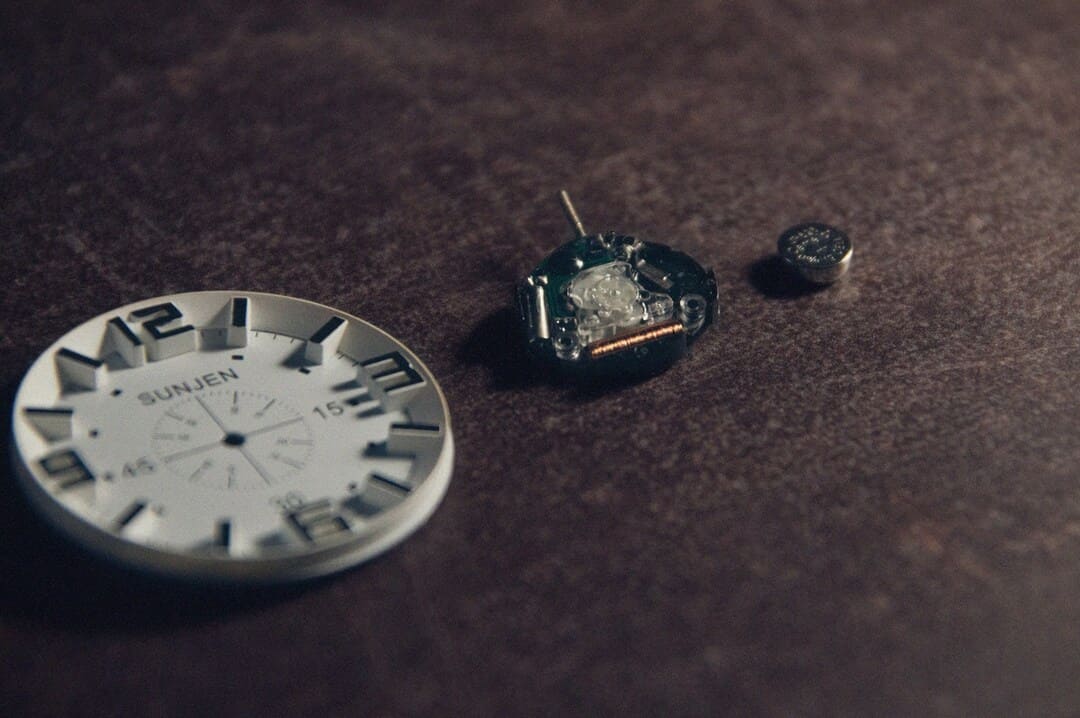
A mechanical watch contains hundreds of precisely engineered components that work together within extremely small tolerances. Likewise, quartz watches may contain fewer moving parts, but they still rely on delicate electronic components, fine gears, and carefully designed seals.
Because tolerances are so small, even a minor mistake can create major problems. A slipped screwdriver can scratch a bridge. A damaged gasket can compromise water resistance. An incorrectly installed battery can damage electronic circuits.
Moreover, luxury watches often require expensive replacement parts that may only be available through authorized service centers. Consequently, a simple repair mistake can become far more expensive than professional servicing.
Using The Wrong Tools
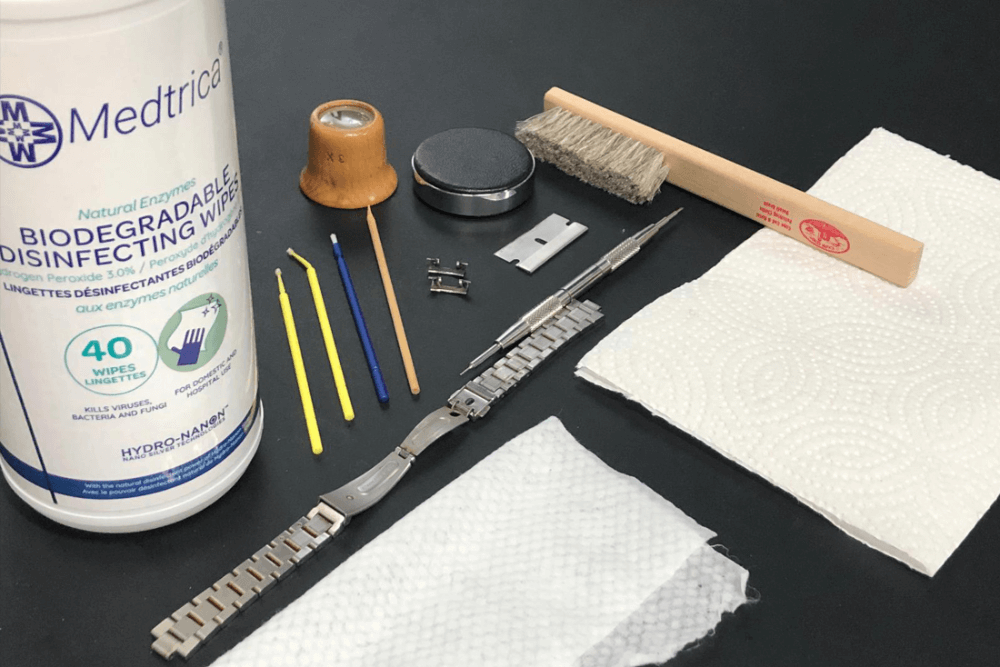
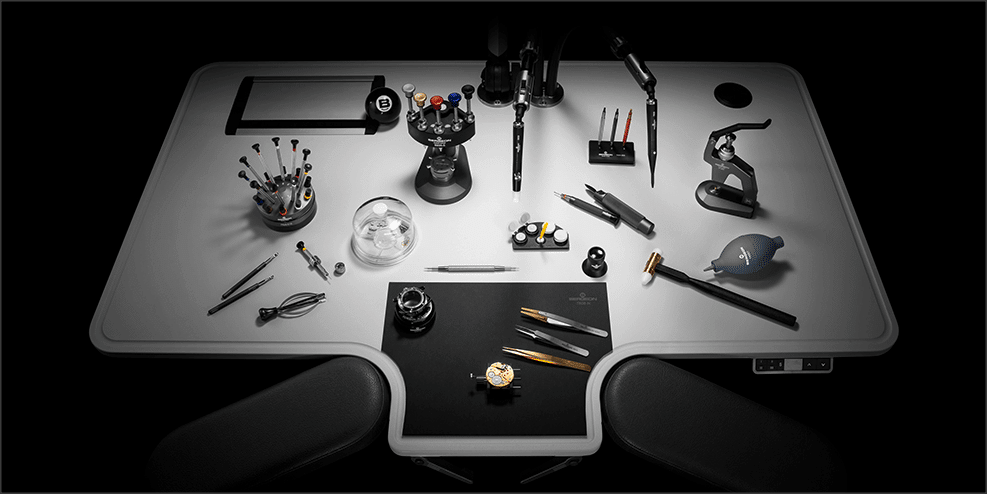
One of the biggest mistakes involves using general household tools instead of precision watchmaking tools.
Kitchen knives, hardware-store screwdrivers, and standard pliers may seem convenient. However, they lack the precision required for watch repair. As a result, they often slip and damage the watch.
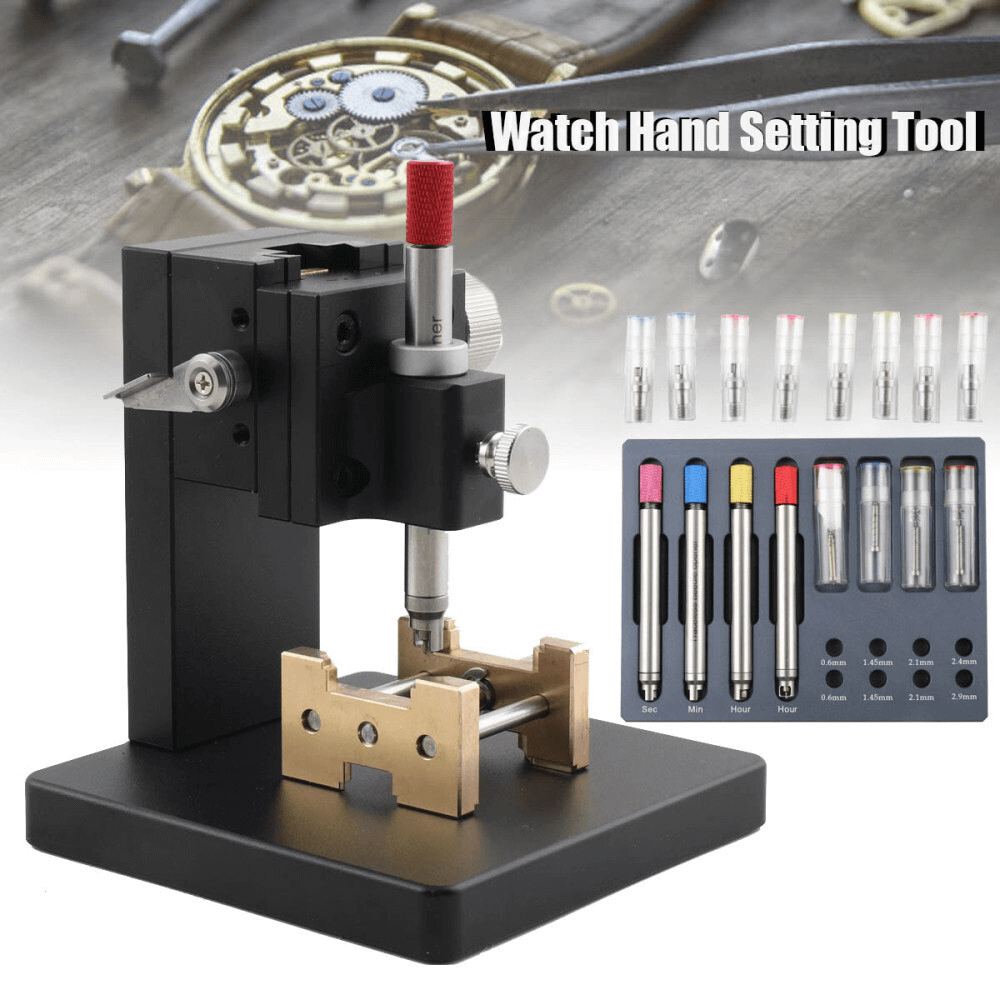
Professional watchmakers rely on specialized tools because they fit correctly and reduce the risk of accidental damage.
Instead of Improvised Tools, Use:
| Household Tool | Proper Watchmaking Tool |
|---|---|
| Pocket knife | Case knife |
| Standard screwdriver | Watchmaker screwdriver |
| Needle-nose pliers | Bracelet pliers |
| Household tweezers | Anti-magnetic tweezers |
| Utility vise | Watch case holder |
Quality tools not only improve results but also protect valuable watches from unnecessary scratches.
Working Without Proper Lighting
Many repair mistakes happen simply because the technician cannot see clearly.
Watch components measure only fractions of a millimeter. Therefore, poor lighting increases the likelihood of slipping, cross-threading screws, or installing parts incorrectly.
A proper LED bench light combined with magnification dramatically improves accuracy. Additionally, many professionals use headband magnifiers or loupes to inspect small components before reassembly.
Good visibility always reduces unnecessary mistakes.
Failing To Secure The Watch
A moving watch creates unnecessary risk.
If the watch slides while opening the case or removing bracelet screws, tools can slip and scratch the case or movement. Therefore, always secure the watch before beginning any repair.
Useful Accessories Include:
- Watch case holders
- Soft bench mats
- Bracelet holders
- Movement holders
These inexpensive tools improve stability and protect valuable finishes.
Using Excessive Force
Watch repairs rarely require brute strength.
Many beginners assume a stubborn case back, or the screw needs more force. However, excessive pressure often causes far more damage than the original problem.
For Example:
- Screwdrivers can strip screw heads.
- Case wrenches can slip.
- Snap-back cases can bend.
- Threads can become damaged.
Instead, determine why the component resists movement. Often, better alignment, the correct tool, or penetrating lubricant solves the problem without additional force.
Forgetting About Dust
Dust represents one of the biggest enemies of watch movements. A single particle inside the movement can contaminate lubricants or interfere with gear operation. Therefore, professional watchmakers maintain extremely clean work environments.
Before Opening Any Watch:
- Clean the exterior.
- Wash your hands.
- Use a dust blower.
- Keep parts covered.
- Avoid unnecessary movement exposure.
Additionally, avoid working in dusty workshops or near open windows. Cleanliness significantly improves repair quality.
Touching Movement Parts With Bare Fingers
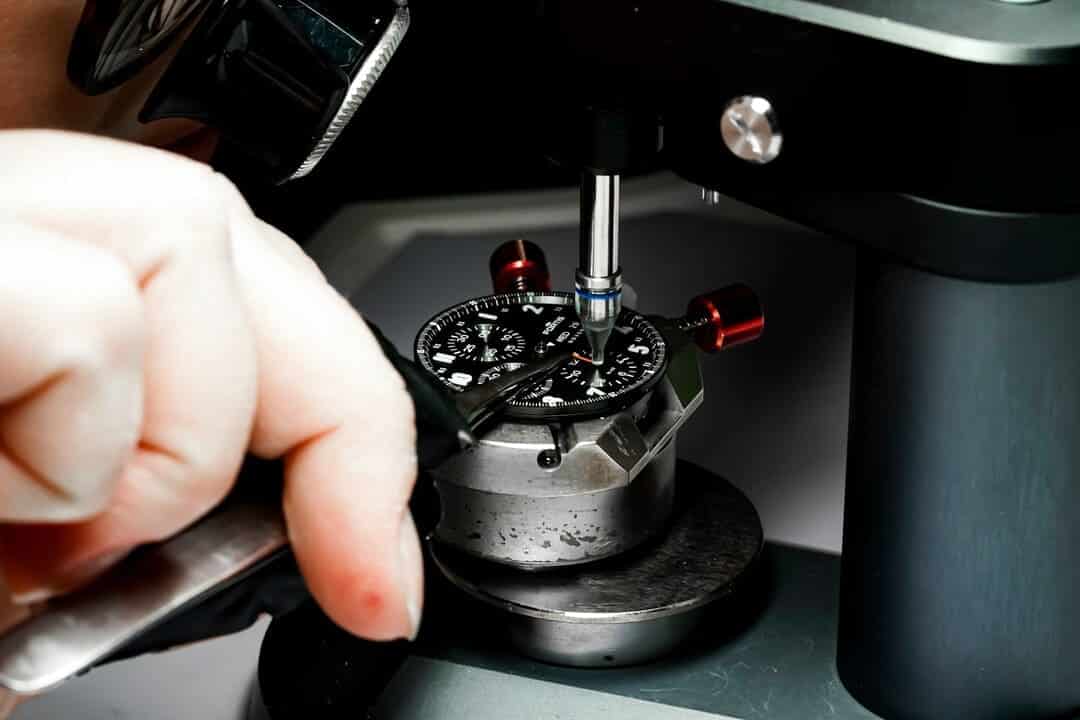
Skin oils can contaminate delicate components. Although fingerprints may seem harmless, oils attract dirt and can interfere with lubricants over time.
Therefore, professionals typically handle movement parts using:
- Anti-magnetic tweezers
- Finger cots
- Watchmaking gloves
These simple precautions help preserve component cleanliness.
Losing Tiny Parts
Watch movements contain numerous extremely small components. During repair, tiny screws, springs, and clips can disappear instantly. Fortunately, the organization prevents many losses.
Professional Watchmakers Often Use:
- Parts trays
- Movement containers
- Magnetic screw organizers
- Compartment boxes
Additionally, working over a clean bench mat makes dropped parts much easier to find.
Never place loose movement parts directly on the workbench.
Over-Polishing The Case
Polishing improves appearance, but excessive polishing permanently removes metal.
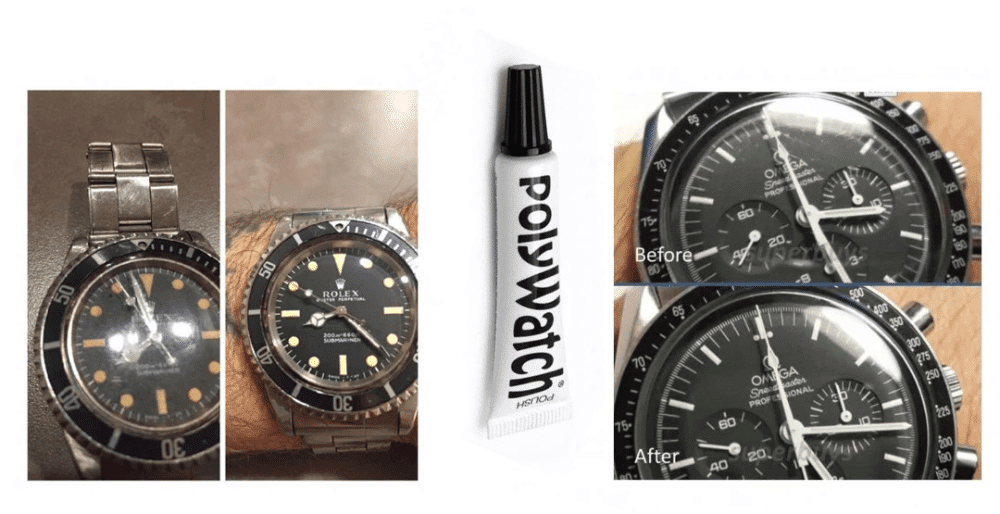
Many valuable vintage watches lose collector value because previous owners aggressively polished the case.
Over-Polishing Can:
- Round sharp edges
- Remove factory brushing
- Reduce lug thickness
- Soften case geometry
- Eliminate original finishing
Therefore, polishing should preserve the original design rather than completely reshape the watch. For collectible watches, less polishing usually produces better long-term results.
Ignoring Water Resistance
Many owners assume a watch remains water-resistant after battery replacement or servicing.
Unfortunately, this assumption can become expensive. Opening the case disturbs the gasket system. Consequently, damaged or improperly installed seals may allow moisture inside.
Before Closing the Watch:
- Inspect every gasket.
- Replace damaged seals.
- Apply gasket lubricant when appropriate.
- Confirm correct gasket positioning.
Additionally, watches designed for swimming or diving should undergo professional pressure testing after opening. Without testing, water resistance remains uncertain.
Installing The Wrong Battery
Battery replacement may seem simple, yet using the wrong battery can cause problems.
Different batteries vary in:
- Voltage
- Height
- Diameter
- Chemistry
Installing an incorrect battery may cause poor performance or damage to the movement. Therefore, always verify the manufacturer’s battery reference before installation. When replacing batteries, use plastic tweezers whenever possible to reduce the risk of short circuits.
Skipping Lubrication Maintenance
Mechanical watches rely on specialized lubricants. However, many hobbyists mistakenly assume “more oil is better.” In reality, excessive lubrication attracts dirt and creates additional friction.
Conversely, insufficient lubrication increases wear.
Proper Lubrication Requires:
- Correct oil type
- Correct quantity
- Correct application point
Because lubrication involves specialized knowledge, beginners should avoid experimenting on valuable movements.
Mixing Up Screws
Many movements contain screws that appear identical but differ slightly in length or thread profile.
Installing the wrong screw may:
- Damage plates
- Jam wheels
- Crack bridges
- Strip threads
Therefore, organize screws carefully during disassembly. Small labeled containers greatly reduce confusion during reassembly.
Rushing The Repair
Perhaps the most common mistake involves working too quickly. Watch repair rewards patience rather than speed.
Professional watchmakers often pause repeatedly to:
- Inspect alignment
- Verify component orientation
- Clean parts
- Check screw engagement
- Test the movement operation
Rushing usually creates more work than it saves. If something feels wrong, stop immediately and investigate.
Knowing When To Stop
Successful watch repair also involves recognizing personal limits. Some repairs exceed the capabilities of beginners, regardless of enthusiasm.
Professional servicing becomes the better option when dealing with:
- Vintage collectible watches
- High-complication movements
- Tourbillons
- Chronographs
- Water-resistant dive watches
- Damaged balance assemblies
- Escapement problems
Attempting these repairs without proper training often increases repair costs later.
Best Practices For Safe Watch Repair
Following a consistent process dramatically reduces mistakes.
| Best Practice | Why It Matters |
|---|---|
| Use proper watchmaking tools | Prevents scratches and slips |
| Work under bright lighting | Improves accuracy |
| Secure the watch | Reduces movement during repair |
| Keep the workspace clean | Prevents contamination |
| Organize small parts | Avoids lost screws and springs |
| Use correct lubricants | Maintains movement performance |
| Replace worn gaskets | Preserves water resistance |
| Work patiently | Reduces costly errors |
These habits form the foundation of professional-quality repairs.
Final Thoughts
Most watch repair mistakes have one thing in common: they are preventable. The right tools, proper preparation, and careful technique eliminate many of the risks that damage valuable timepieces.
Whether you are replacing a battery, adjusting a bracelet, or performing basic maintenance, patience should always guide your work. Avoid shortcuts, respect the movement’s precision, and never force a component that refuses to move.
Most importantly, understand your limits. Simple repairs provide excellent opportunities to learn, but complex servicing belongs in the hands of trained professionals. Knowing when to continue—and when to stop—often protects a watch more than any specialized tool.
Ultimately, valuable watches deserve thoughtful care. By avoiding these common repair mistakes, you can preserve their appearance, reliability, and long-term value for many years to come.