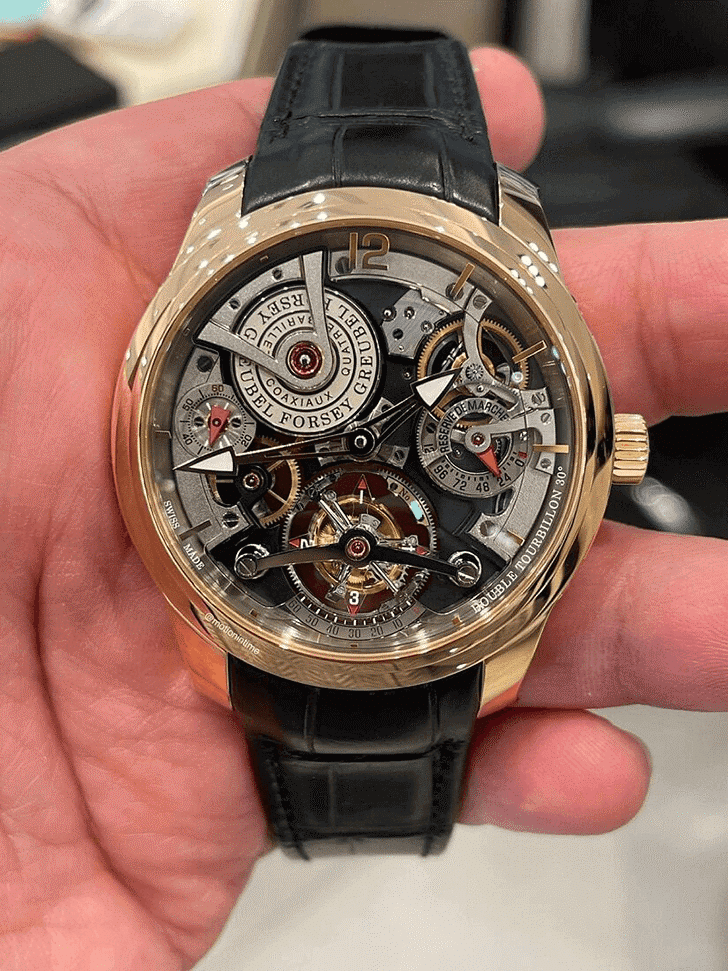
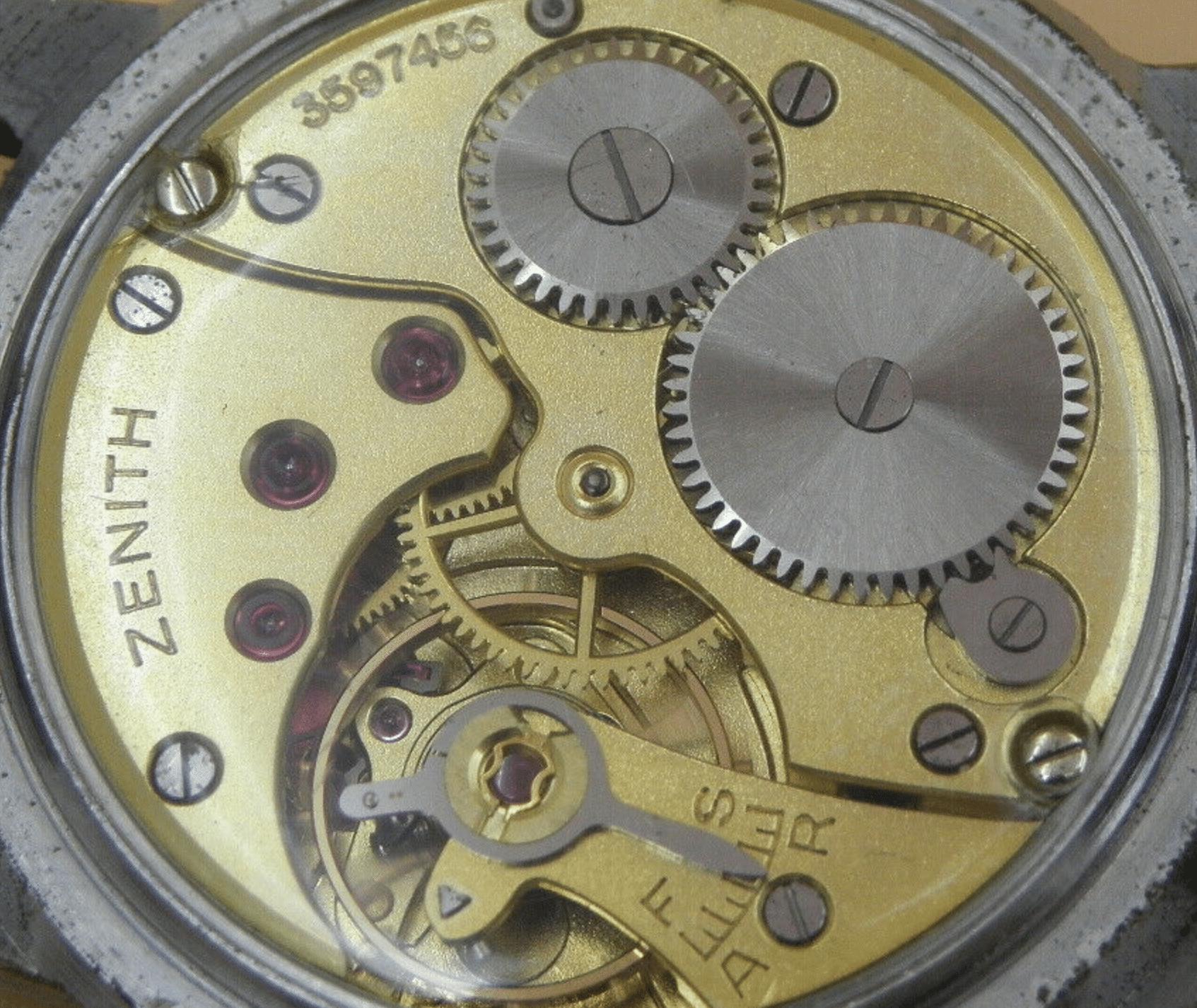
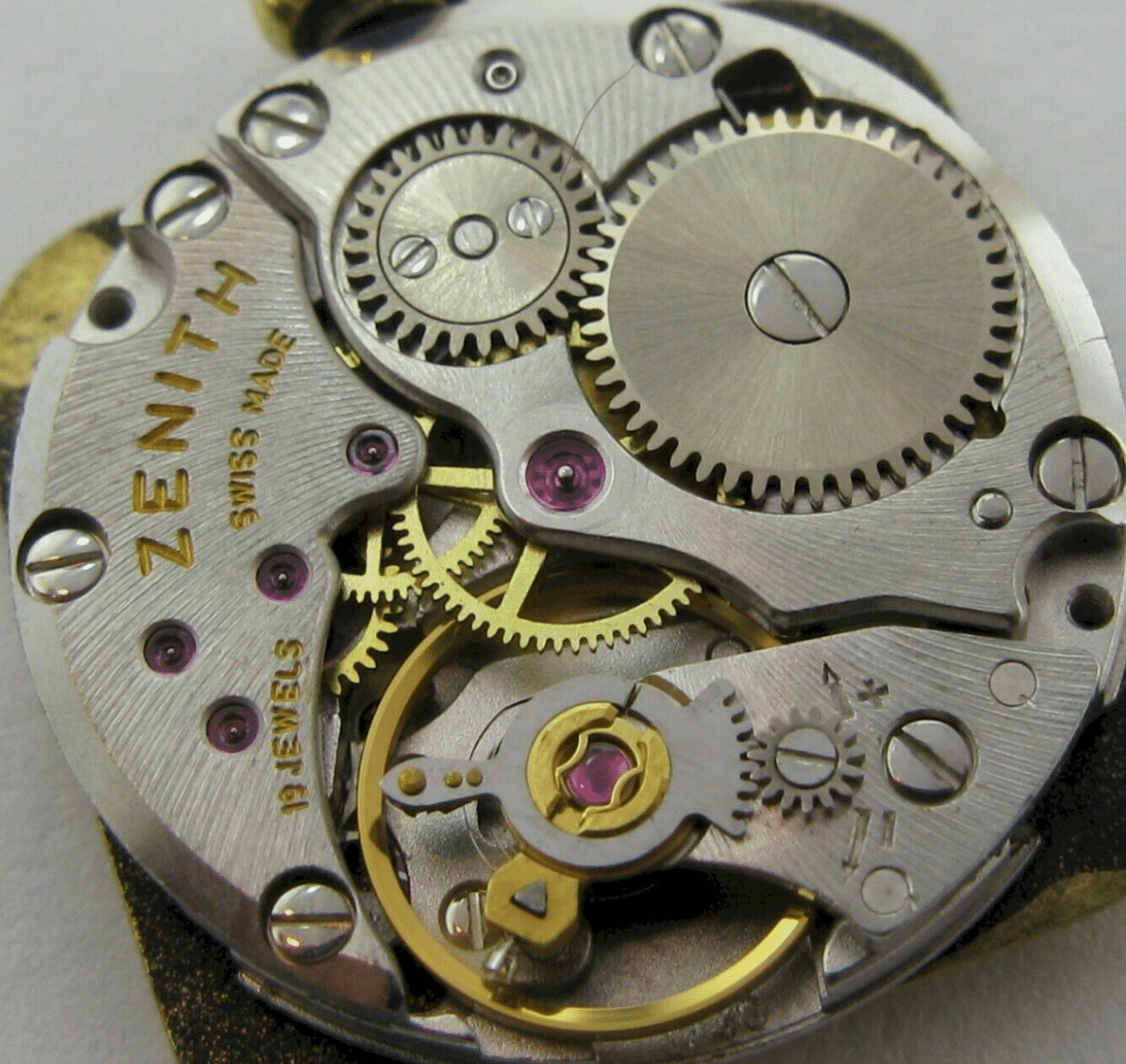
What makes a mechanical watch tick? Behind every smooth sweep of a second hand lies a collection of carefully designed parts working in perfect harmony. These parts make up the watch movement—the engine that powers everything.
Whether you’re a beginner or just curious about what’s inside your timepiece, understanding the core components can deepen your appreciation and help with maintenance.
In this guide, we’ll walk you through the most important watch movement parts, from the balance wheel to the mainspring, and explain what each does.
What Is a Watch Movement?
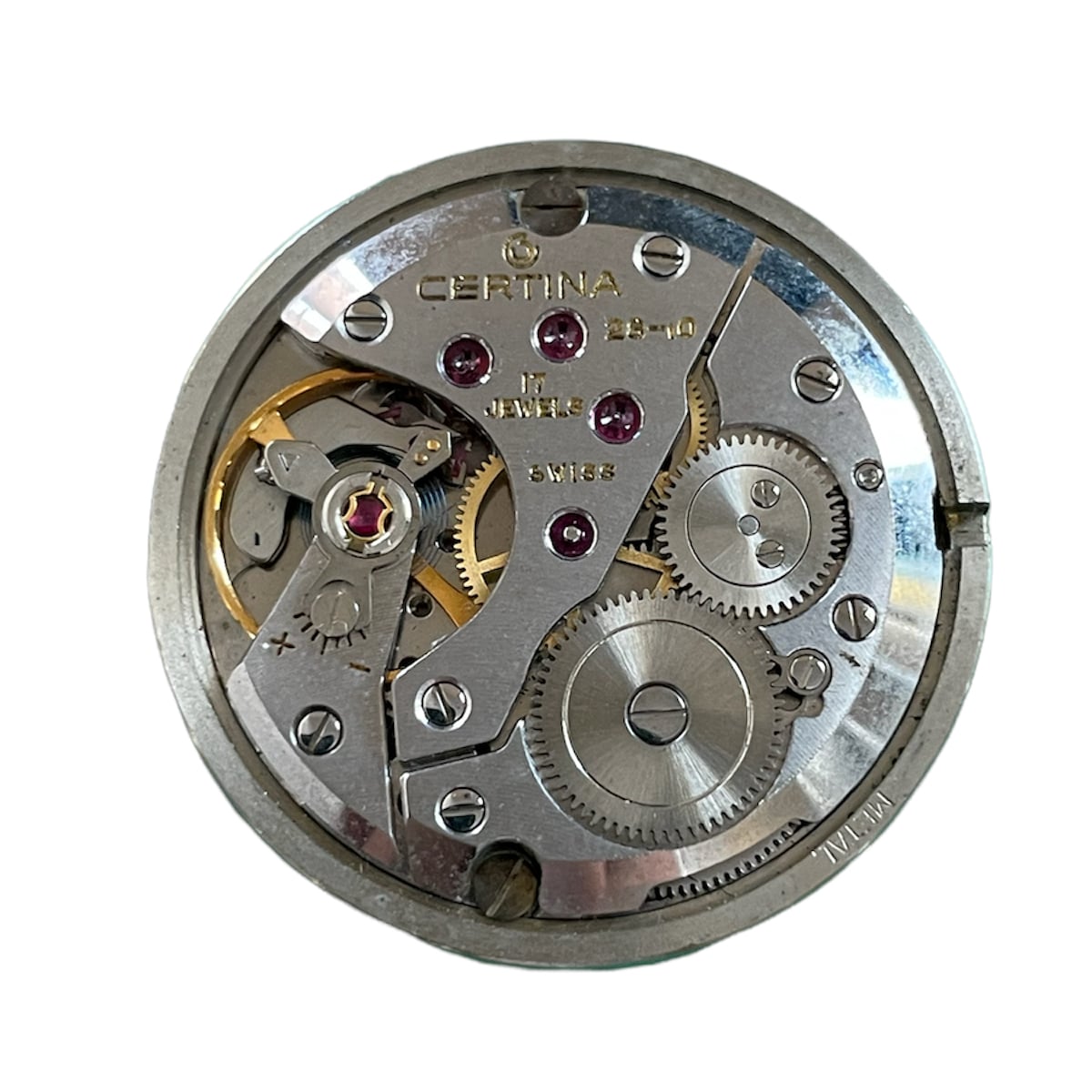
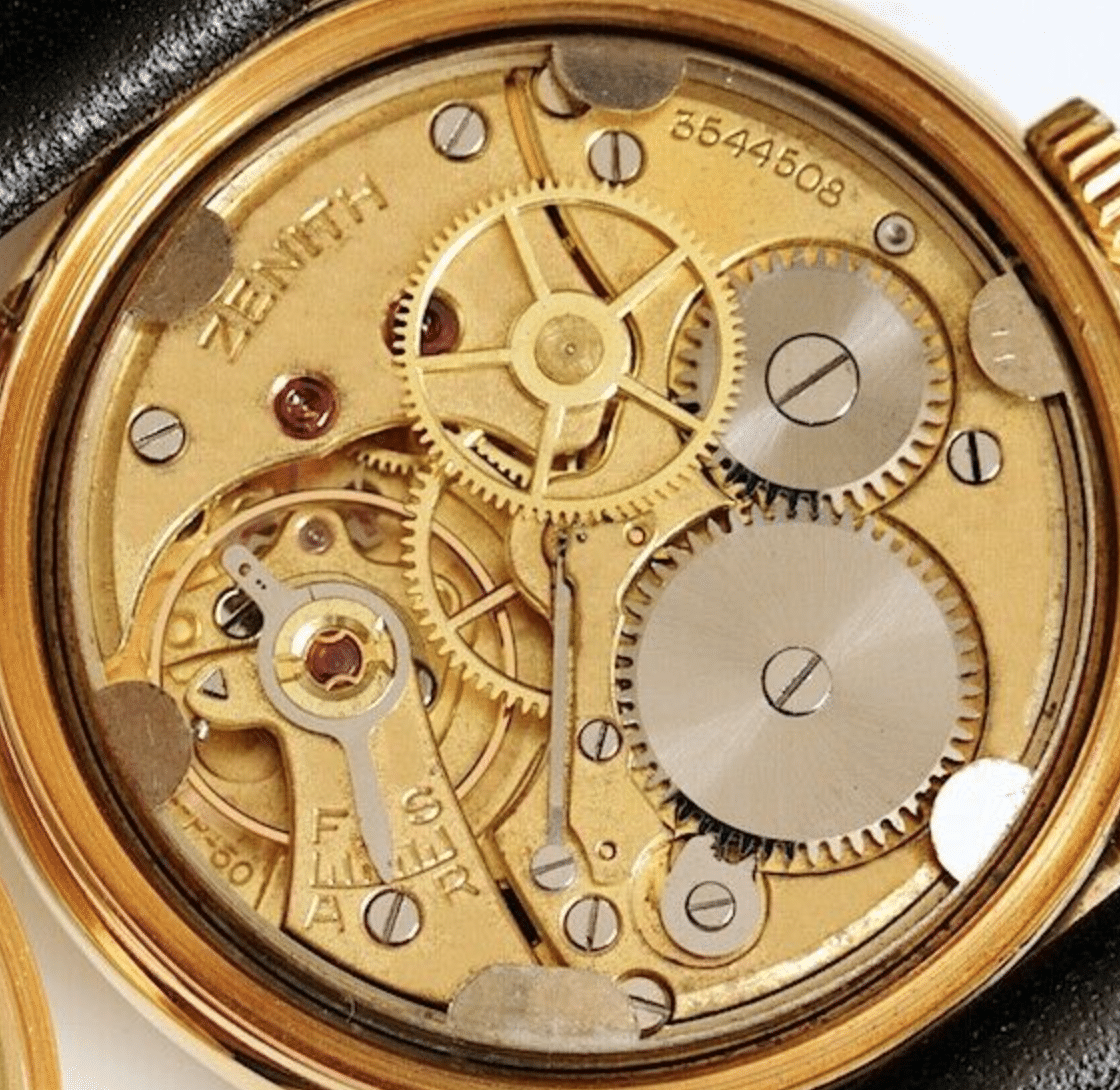
The watch movement—sometimes called the caliber—is the internal mechanism that drives the hands and powers any additional functions like a chronograph or date. In mechanical watches, this movement is powered by a coiled spring, not a battery.
Every movement contains a series of intricate components that interact to regulate time. These parts include gears, springs, wheels, and levers—each with a distinct job.
Key Watch Movement Parts and Their Functions
A mechanical watch may seem simple from the outside, but inside, it’s a precise engine built from many small parts. Each has a specific job. When one fails, the whole system is affected.
Let’s look at the most essential watch movement parts and how they work together to keep your watch ticking.
Mainspring: The Power Source
The mainspring is a long, coiled strip of metal housed in the barrel. It’s the part that stores energy when wound. In automatic watches, the mainspring winds via the motion of your wrist. In manual watches, it winds by turning the crown.
Once wound, the mainspring slowly releases tension to drive the gear train. This release powers the entire movement.
Without a healthy mainspring, your watch won’t tick. It’s the foundation of power in any mechanical timepiece. That’s why identifying a worn or broken mainspring watch part is crucial for repair.
Gear Train: Transmitting Power
The gear train connects the mainspring to the escapement. It translates stored energy into controlled, usable motion. Each gear in the train serves a purpose:
- The center wheel moves the minute hand
- The third and fourth wheels transmit movement further
- The escape wheel interacts directly with the escapement
These wheels ensure consistent and precise timekeeping by managing the energy flow between the mainspring and the balance wheel.
Escapement: The Heartbeat Regulator
The escapement controls how much energy gets released from the mainspring. It consists of two main parts:
- The escape wheel
- The pallet fork
Together, they regulate the release of energy in impulses rather than a steady stream. This stop-and-go motion is what gives mechanical watches their distinct ticking sound.
The escapement also transfers energy to the balance wheel, which is what makes it oscillate.
Balance Wheel: The Timekeeper
The balance wheel is the critical oscillator. It swings back and forth, typically five to ten times per second, regulating the pace at which the hands move.
This is why people often refer to it as the watch’s “heartbeat.” The regularity of the balance wheel determines the accuracy of the timepiece.
If you’re inspecting a balance wheel watch and notice it’s not oscillating, the problem may lie in the escapement or mainspring—but the balance wheel should always be checked first.
Hairspring (Balance Spring)
Attached to the balance wheel is the hairspring, a fine spiral coil that contracts and expands with each tick. It’s what allows the balance wheel to return to its neutral position.
Even the slightest variation in hairspring length or tension can affect accuracy. That’s why handling or cleaning the hairspring requires extreme caution.
Dial Train and Hands
The dial train includes gears that connect to the center and cannon pinions, which in turn drive the hands. These convert the movement’s rotations into time-telling display—hours, minutes, and seconds.
While simple in concept, aligning these gears during reassembly requires patience and precision.
Optional Features Found in Some Movements
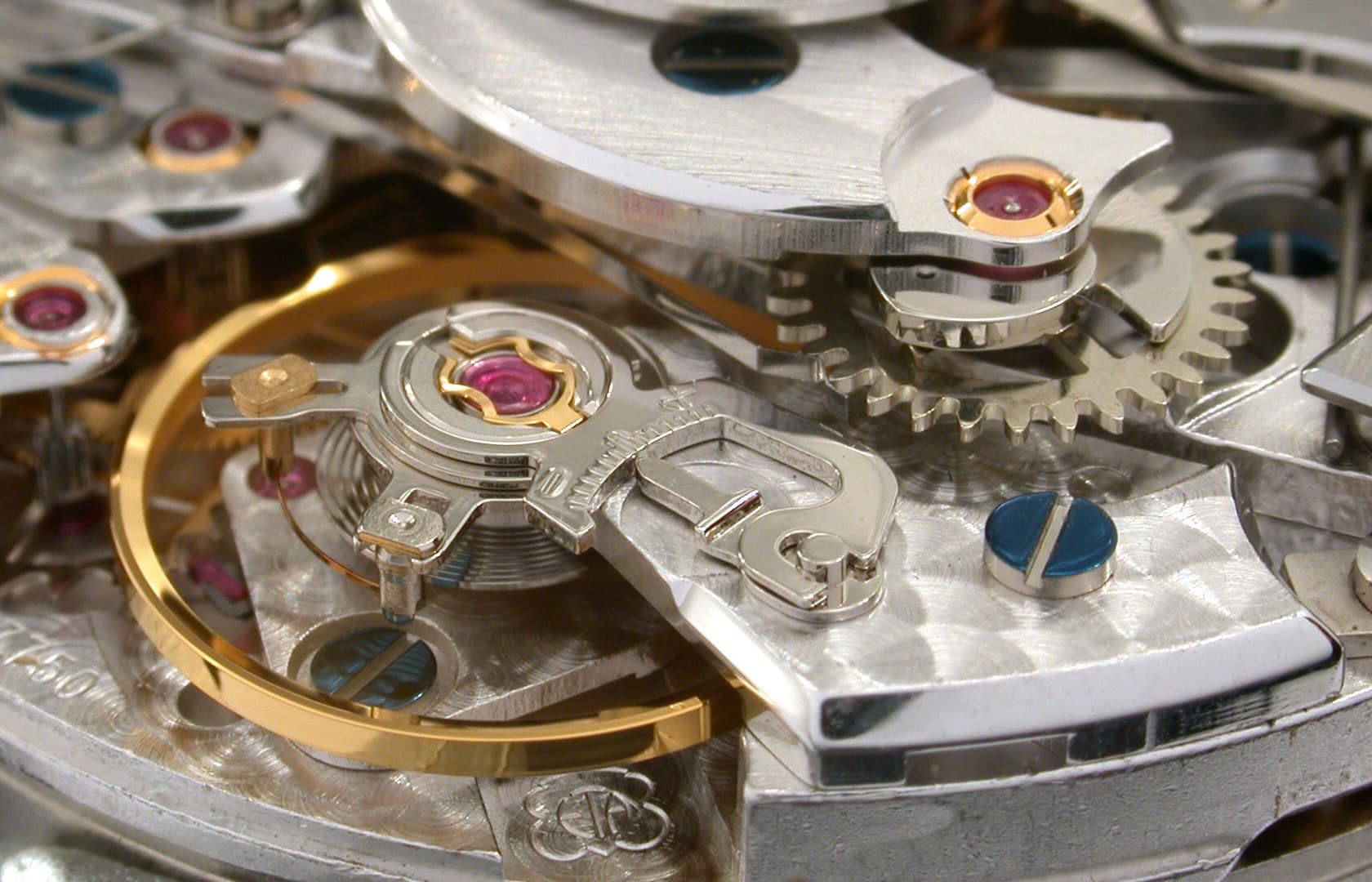
Depending on the complexity of the watch, movements may include additional components:
- Date wheel: For date complications
- Chronograph module: For stopwatch functions
- Rotor: In automatics, used to wind the mainspring via wrist motion
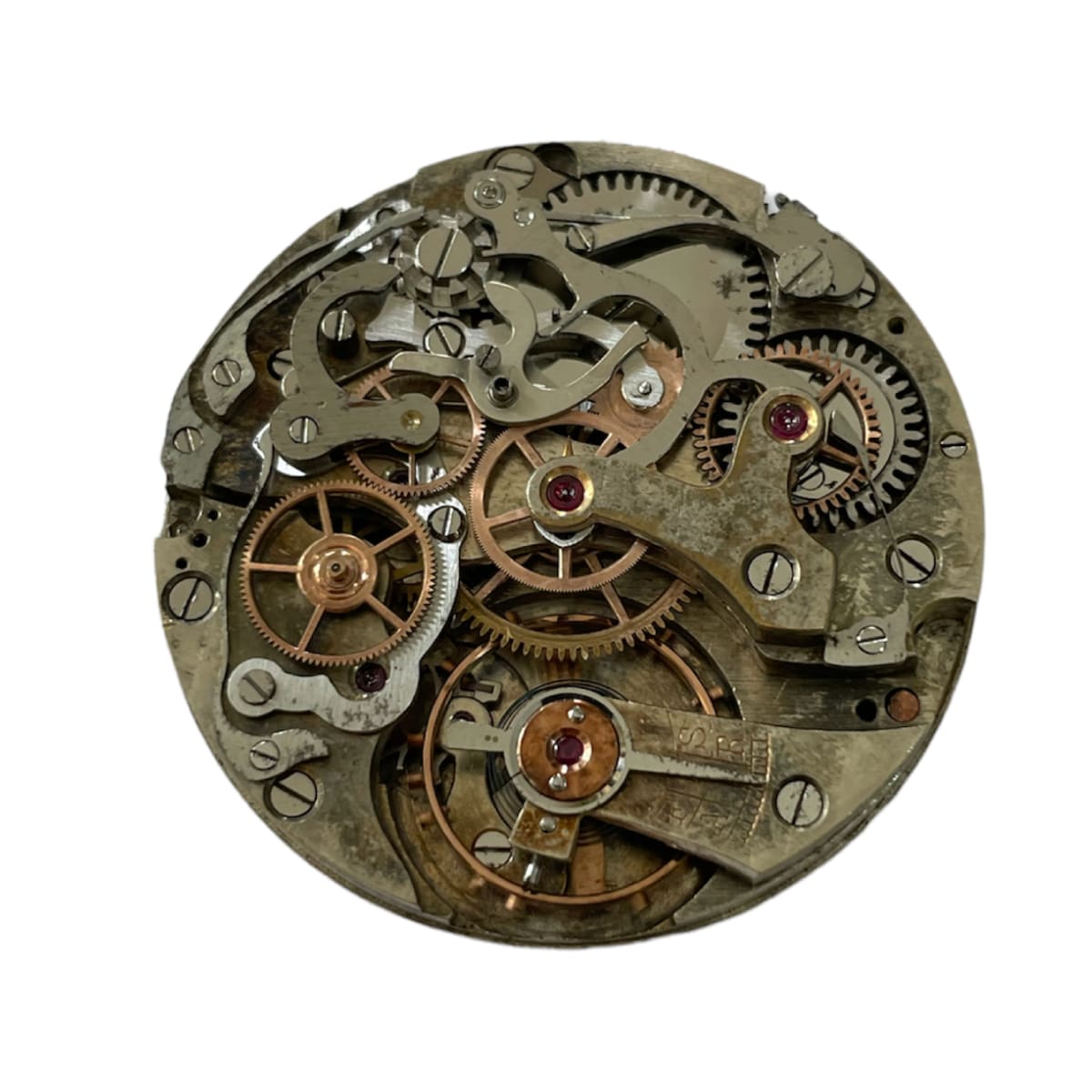
Watches like the Valjoux 22 vintage chronograph feature added complications and parts. This classic movement, now collectible, showcases how components evolve with function.
How Dust and Environment Affect Watch Movement Parts
Watch movements are delicate. Even a speck of dust or a drop of moisture can interfere with performance. That’s why watchmakers use protection tools.
To keep your workspace clean, consider using a dust protection hood with base from Boley. It shields both tools and movements while allowing visibility.
For individual movement parts, a transparent dust cover is essential. It’s ideal when you’re in between steps and don’t want to repackage everything but still need to protect exposed mechanisms.
Proper storage and workspace cleanliness extend the life of your components and help avoid redoing work due to contamination.
Tips for Working with Watch Movement Parts
If you’re servicing or assembling a watch, follow these best practices:
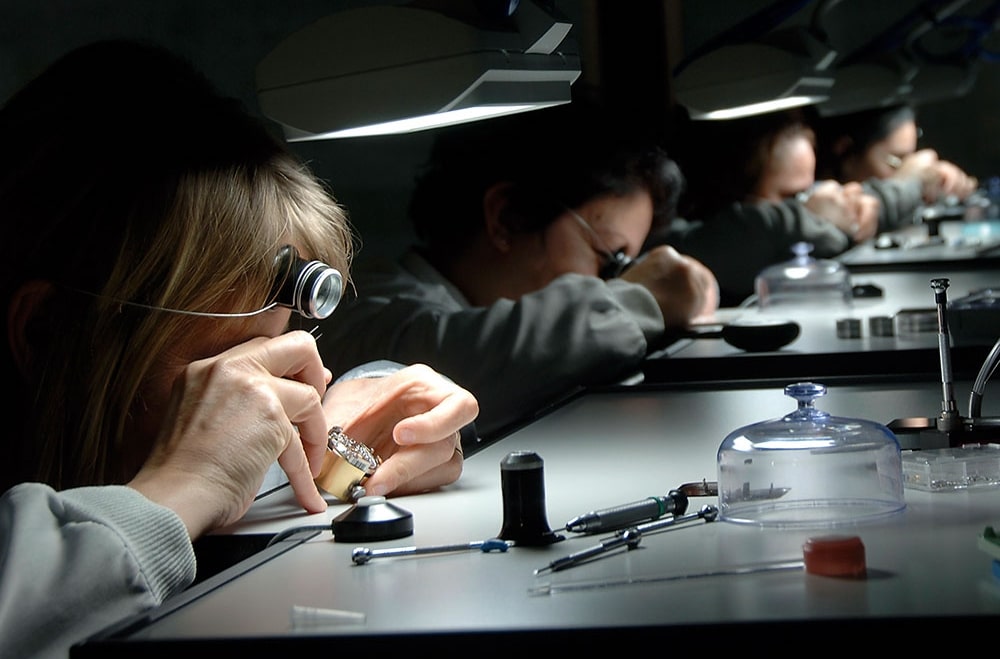
- Work under good lighting and use a magnifier or loupe
- Always handle parts with non-magnetic tweezers
- Store removed pieces in a dust-proof tray or movement holder
- Take photos of the movement before disassembly
- Never force a part into place—it likely means it’s misaligned
Patience is just as important as skill when dealing with delicate watch internals.
When to Replace vs Repair
Not all parts are worth repairing. For example, if your mainspring is slipping or cracked, replacement is often quicker and more reliable. Worn teeth on gears or a damaged escapement? Those may be repairable if the damage is minor—but replacement ensures long-term function.
Collectors who work with rare movements like the Valjoux 22 may choose to salvage and repair to maintain originality. In contrast, hobbyists working with modern ETA movements may find it faster to swap entire assemblies.
Knowing when to replace saves both time and frustration.
Final Thoughts
Understanding watch movement parts isn’t just for professionals. Whether you’re cleaning a vintage dial or replacing a balance wheel watch component, knowing what each part does gives you better control and more confidence.
From the tightly coiled mainspring watch part to the oscillating balance wheel, every component plays a role in precision. And with protective tools like the dust hood and cover, you can keep your work safe while learning.