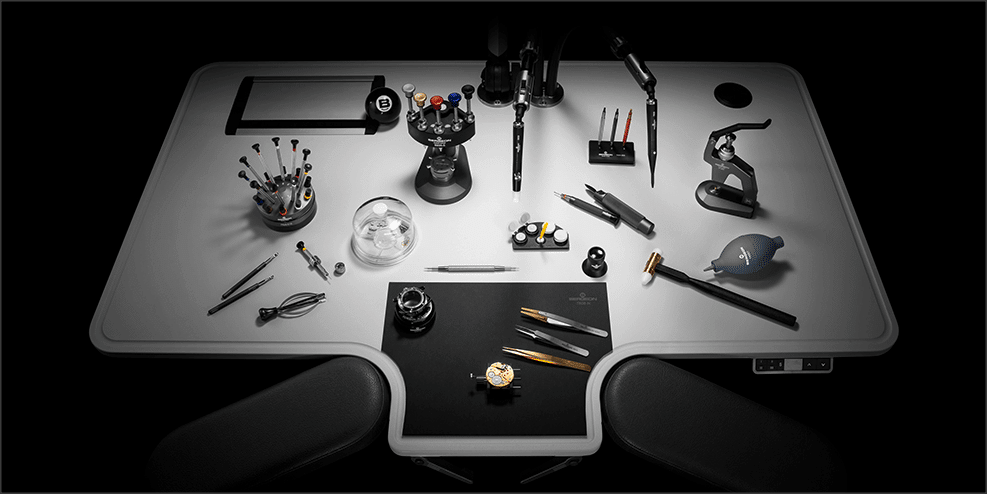
Watchmaking is a world where every detail matters. From the movement inside the case to the final polish of the metal surface, precision defines craftsmanship. One of the least discussed yet most crucial aspects of watch finishing is grit. In polishing, grit determines how smooth or reflective a watch surface becomes. Understanding what grit means and how it affects the final look can deepen your appreciation for fine timepieces.
What Does “Grit” Mean?
In simple terms, grit refers to the coarseness of an abrasive material used in polishing or sanding. It defines how fine or rough the polishing medium is. Each abrasive tool—such as sandpaper, lapping films, or polishing compounds—has a grit rating. The higher the number, the finer the grit.
For example, a 200-grit abrasive removes material quickly but leaves visible scratches. In contrast, a 2000-grit abrasive produces a mirror-like finish because it removes only tiny imperfections.
In watchmaking, grit selection determines not only the surface quality but also the overall aesthetics and texture of the watch.
Why Grit Matters in Watch Polishing
Every polished watch you admire went through a careful series of grits. Watchmakers start with coarse abrasives to remove deep scratches or machining marks. Then, they gradually move to finer grits to achieve a high-gloss or brushed finish.
Choosing the right grit isn’t just about beauty—it’s about precision. If the wrong grit is used, it can remove too much material or distort edges. For watches, where even a tenth of a millimeter matters, such mistakes can ruin the case or bracelet alignment.
Grit Levels and Their Functions

Different grits serve different purposes. Here’s how they’re generally categorized:
- Coarse grit (80–400): Used for heavy material removal and reshaping. Ideal for removing deep scratches or dents on a case.
- Medium grit (600–1200): Smooths out coarse marks and prepares the surface for fine polishing.
- Fine grit (1500–3000): Used for finishing touches and achieving a satin or gloss effect.
- Ultra-fine grit (5000+): Delivers a mirror polish, often used on high-end luxury pieces.
Transitioning between these grit levels must be gradual. Skipping a step can leave micro-scratches that become visible under light.
The Role of Grit in Different Watch Finishes
Not all watches need the same type of polish. Depending on the design, a brand may prefer brushed, satin, or mirror-polished finishes. Each style demands a unique grit process.
1. Brushed Finish
A brushed finish gives the metal a textured, matte look. To achieve this, watchmakers use medium grit, usually between 400 and 800. The direction of brushing also matters—horizontal, vertical, or circular patterns create distinct effects. This finish is common in sports and tool watches, such as the Omega Seamaster or Tudor Pelagos.
2. Satin Finish
A satin finish is smoother than brushed but less reflective than polished metal. Achieved using 1200 to 2000 grit, it adds elegance without the glare. This finish is often used on mid-range luxury watches to balance durability and refinement.
3. Mirror Finish
For mirror polishing, ultra-fine grit—up to 10,000 or even diamond paste—is applied. This process is slow but rewarding. It transforms metal into a reflective surface that resembles glass. Luxury brands like Grand Seiko and Rolex use such techniques for their cases and hands.
How Watchmakers Use Grits Step-by-Step
Polishing a watch isn’t as simple as rubbing it with fine sandpaper. It’s a delicate art that requires patience and consistency. Here’s a general step-by-step breakdown:
- Preparation: The watch case or bracelet is cleaned and disassembled to avoid contaminating delicate parts.
- Initial Shaping: Coarse grit removes deep blemishes or old polish layers.
- Intermediate Polishing: Medium grits refine the surface, removing traces left by coarser materials.
- Detail Polishing: Fine grit or diamond paste is applied using felt or cotton wheels.
- Inspection: The surface is examined under magnification to ensure even reflection and consistent texture.
- Final Buffing: The piece is cleaned and lightly buffed with ultra-fine paste to bring out the final shine.
Common Tools Used in Grit-Based Polishing

Different watchmakers prefer different tools, but the principles remain the same. Common tools include:
- Lapping films: For consistent and even abrasion.
- Buffing wheels: Used with different compounds depending on grit level.
- Micromesh sheets: Popular for final-stage polishing.
- Polishing compounds: Such as rouge, diamond paste, or alumina.
Each tool must match the selected grit for the desired outcome. For instance, rouge compounds are ideal for ultra-fine polishing, while diamond pastes handle tougher materials like titanium.
Mistakes to Avoid When Working With Grits
Many beginners in watch restoration make one big mistake—starting too fine. While it seems safer, it’s actually inefficient. Without coarse grit to shape and remove damage, you’ll spend hours polishing without progress.
Another common issue is uneven pressure. Applying too much force can create wavy surfaces or remove too much metal. Always move consistently and let the grit do the work.
Also, never mix grits on the same polishing cloth or wheel. Even a small amount of coarse grit can scratch an almost-finished surface.
How Professionals Choose the Right Grit
Professional watchmakers rely on both experience and experimentation. They often test on hidden surfaces first. Many also follow manufacturer standards, especially when restoring vintage or luxury watches.
For example, restoring a vintage Omega case demands the same grit pattern used originally by the factory. Using the wrong level could change the texture, lowering the watch’s collectible value.
Modern Innovations in Grit and Polishing
Technology keeps evolving in watchmaking. Today, micro-abrasive polishing systems and robot-assisted lapping ensure flawless finishes with minimal human error. Some modern abrasives use ceramic grains that stay sharp longer, improving consistency.
Even though machines handle many steps, human craftsmanship remains vital. A trained eye can detect minute imperfections that a robot might overlook.
Why Grit Knowledge Matters for Collectors
Collectors and enthusiasts benefit from understanding grit, too. When examining a pre-owned or vintage watch, you can tell if it’s been over-polished. Overuse of coarse grit or excessive buffing softens edges and reduces case definition.
Therefore, grit knowledge helps buyers identify original finishes and spot poorly restored watches.

Final Thoughts
In watchmaking, grit is more than just a technical detail—it’s a philosophy of refinement. Every number tells a story of precision, patience, and artistry. Whether you’re a collector, restorer, or casual fan, understanding grit helps you appreciate the skill behind each polished surface.
The next time you hold a perfectly finished timepiece, remember the invisible grit progression that gave it life. That’s where craftsmanship truly shines.