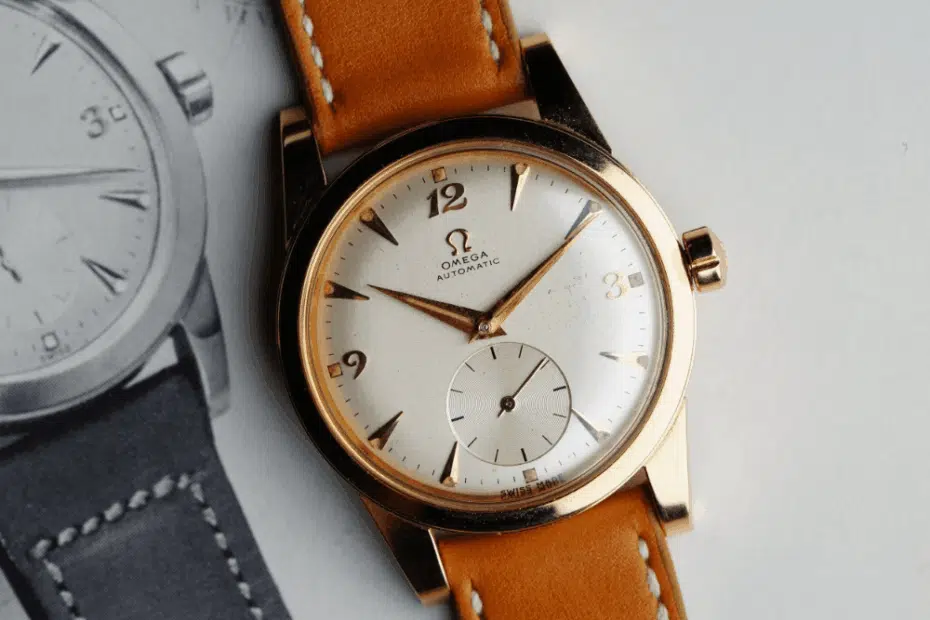
Vintage watches offer something modern watches often cannot: history, character, patina, and a sense of discovery. However, finding the right vintage watch takes more than browsing attractive photos online. The market includes honest dealers, expert collectors, auction houses, private sellers, and, unfortunately, plenty of risky listings.
Therefore, knowing where to search matters as much as knowing what model to buy. A great source can help you find an honest watch with clear condition details. A poor source, however, can leave you with incorrect parts, hidden damage, or a watch that costs far more to repair than expected.
This guide explains the best places to find vintage watches, including online marketplaces, specialist dealers, auction houses, watch fairs, forums, and local shops. Additionally, it covers the strengths and risks of each source so you can buy with more confidence.
Why The Buying Source Matters
Vintage watches vary widely in condition, originality, service history, and value. Therefore, two examples of the same reference can differ dramatically in price. Condition matters, especially because a cheaper vintage watch can quickly become expensive if it has a damaged dial, a polished case, incorrect hands, or a movement that needs major service. Hodinkee has long emphasized that condition plays a major role in vintage watch value, and this remains one of the most important lessons for new collectors.
Moreover, vintage watches rarely come with simple guarantees. Unlike new watches, they may contain replaced parts, old repairs, refinished dials, or missing documentation. Consequently, the best buying source should provide clear photos, accurate descriptions, return options, and enough information for proper evaluation.
Specialist Vintage Watch Dealers
Specialist dealers remain one of the safest places to find vintage watches, especially for beginners. These sellers usually focus on specific brands, periods, or categories. As a result, they often understand originality, condition, servicing, and market pricing better than general sellers.
A good dealer usually offers:
- Clear condition descriptions
- High-quality photos
- Movement images when appropriate
- Service information
- Return policies or guarantees
- Honest notes about replacement parts
Although specialist dealers often charge higher prices, that premium can make sense. You pay not only for the watch but also for sourcing, authentication, inspection, and accountability. Therefore, collectors who value safety and convenience often start with reputable dealers.
However, you should still research the dealer before buying. Check reviews, ask other collectors, and compare prices across similar examples. Additionally, request extra photos if the listing does not clearly show the dial, case back, crown, bracelet, and movement.
Online Watch Marketplaces
Online marketplaces offer an enormous selection. Chrono24, for example, positions itself as a major global watch marketplace and highlights buyer protection features such as escrow and an inspection period after delivery.
Because marketplaces bring thousands of sellers together, they help buyers compare prices quickly. Additionally, they allow you to search by brand, model, case size, year, location, and price range. This makes them useful for researching market value even before you buy.
However, marketplaces vary in seller quality. Some listings come from established dealers, while others come from private sellers with limited experience. Therefore, you should evaluate each listing carefully rather than relying solely on the platform.
Before buying through a marketplace, check:
- Seller history and reviews
- Return policy
- Payment protection
- Photos of the actual watch
- Movement condition
- Case and dial originality
- Service records or receipts
Online marketplaces work best when you already know the reference you want and can compare multiple examples.
Auction Houses
Auction houses can offer exceptional vintage watches, especially rare, historically important, or high-value pieces. Major auctions often include detailed catalog descriptions, provenance information, and expert evaluation. Additionally, watches with notable ownership or strong documentation can attract serious collector interest. Provenance can significantly affect desirability, especially when a watch links to a famous owner, event, or documented history.
However, auctions also require caution. Final prices can rise quickly because of competition. Moreover, buyers must account for buyers’ premiums, taxes, shipping, and possible service costs. Therefore, the hammer price does not represent the true total cost.
Auctions suit experienced collectors best. They can reward research and patience, but they can punish emotional bidding. Before participating, set a strict maximum price and study previous auction results for similar watches.
Auctions work especially well for:
- Rare vintage Rolex, Omega, Patek Philippe, and Heuer models
- Watches with documented provenance
- Unusual military or tool watches
- Collector-grade examples
- Pieces with original papers or archive extracts
Still, always read the condition report carefully. If possible, inspect the watch in person before bidding.
Watch Fairs And Collector Events
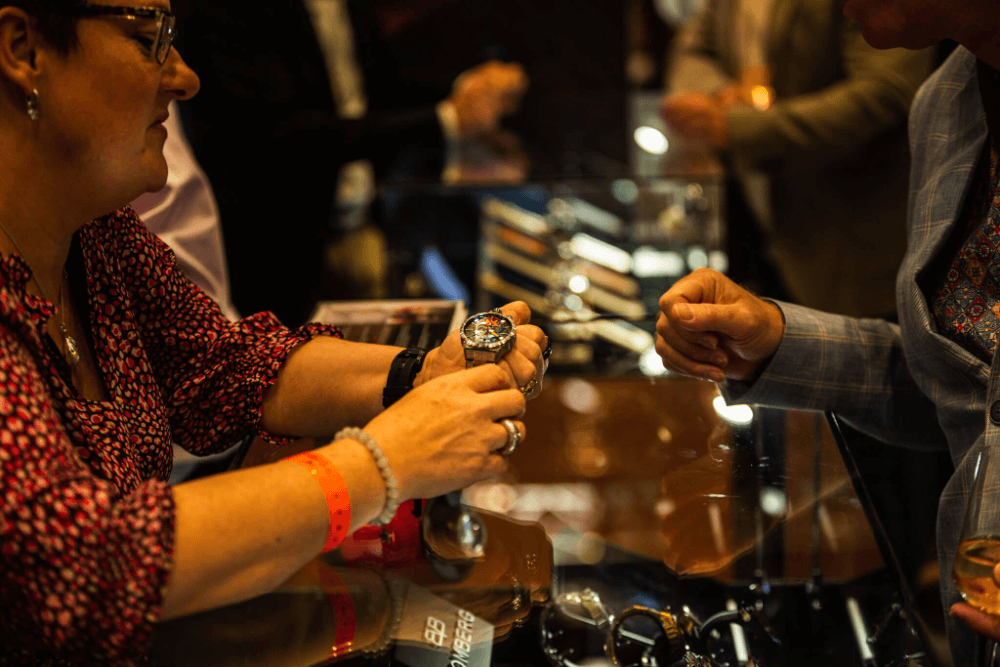
Watch fairs and collector events offer one major advantage: you can inspect watches in person. This matters because photos can hide polishing, dial damage, bracelet stretch, and case wear.
At a fair, you can handle the watch, check proportions, compare several examples, and speak directly with sellers. Additionally, you can meet other collectors and learn from their experience. Some buying guides note that events such as watch fairs and trade gatherings bring together dealers, collectors, and enthusiasts, creating strong opportunities for sourcing vintage watches.
However, you still need discipline. The excitement of a fair can lead to fast decisions. Therefore, bring a loupe, research prices beforehand, and avoid pressure buying.
Watch fairs work well when you want to:
- Compare multiple watches in person
- Build dealer relationships
- Inspect the case condition closely
- Negotiate directly
- Learn from experienced collectors
Moreover, fairs can reveal watches that never appear online because some dealers prefer private or event-based sales.
Watch Forums And Collector Communities
Watching forums and collector communities can be excellent places to find vintage watches. These communities often include knowledgeable enthusiasts who care deeply about originality and condition.
Popular forums and collector groups usually have sales sections where members list watches directly. Because sellers often participate in public discussions, buyers can review their history and reputation. Additionally, forum members may help evaluate a watch before purchase.
The main advantage here is context. A forum listing may include detailed ownership notes, service history, and honest flaws. However, private community sales usually offer less formal buyer protection than major platforms.
Therefore, you should buy from members with a strong reputation. Also, use secure payment methods and ask for references when needed.
Forums work especially well for:
- Niche vintage models
- Enthusiast-owned watches
- Honest project watches
- Brand-specific collecting
- Learning before buying
In many cases, the knowledge you gain from the community matters as much as the watch itself.
Local Watch Shops And Independent Watchmakers
Local watch shops can still provide excellent vintage finds. Although their selection may be smaller than online platforms, they offer one major advantage: physical inspection.
You can examine the watch under good light, test how it wears, ask questions, and sometimes request a watchmaker’s opinion. Additionally, a local seller may offer after-sales support or services.
Independent watchmakers can also become valuable sources. Sometimes clients sell watches through them, or they know collectors who want to move pieces quietly. Because watchmakers understand mechanical conditions, they can often identify problems that general sellers miss.
However, local inventory changes slowly. Therefore, this approach requires patience and relationship-building. Visit regularly, explain what you collect, and leave your contact details.
Estate Sales, Pawn Shops, And Flea Markets
Estate sales, pawn shops, and flea markets attract treasure hunters for a reason. Occasionally, buyers find undervalued vintage watches in these places. However, these sources also carry the highest risk.
Sellers may know little about the watch. As a result, they may not disclose movement problems, replacement parts, or authenticity issues. Additionally, return policies may be limited or nonexistent.
Therefore, this route suits knowledgeable buyers who can quickly inspect a watch. You need to identify redials, incorrect hands, over-polished cases, damaged movements, and fake parts.
These sources can work, but only if you accept the risk. For beginners, they work better as learning opportunities than primary buying channels.
Brand Boutiques And Certified Pre-Owned Programs
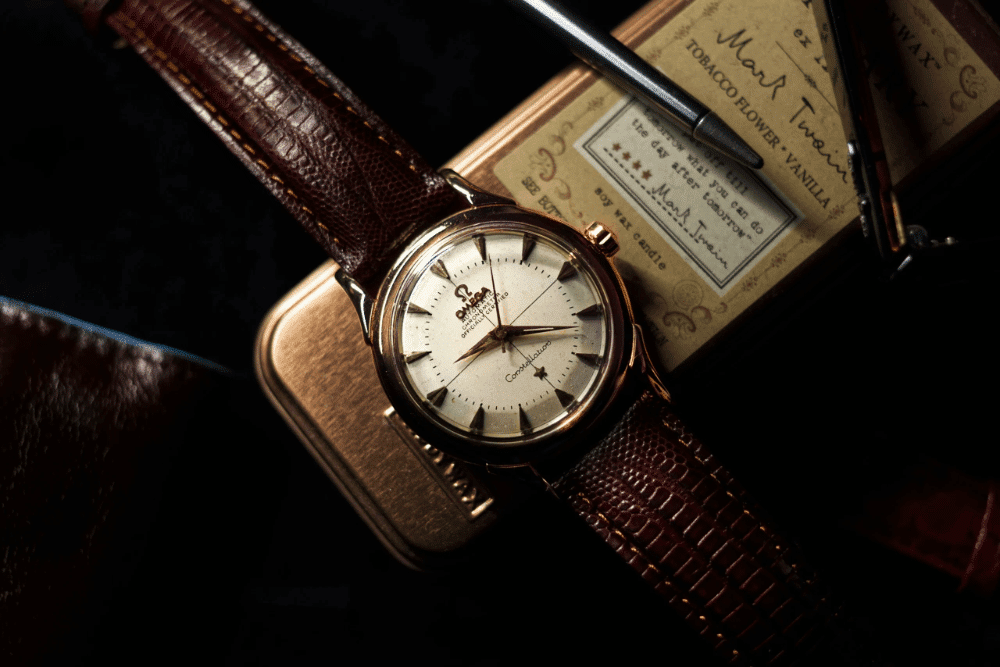
Some brands and retailers now offer certified pre-owned or vintage-adjacent watches. These programs usually focus on authentication, servicing, and warranty coverage. Therefore, they may appeal to buyers who want a safer experience.
However, selection can feel limited, and prices often sit above open-market levels. Still, the premium may make sense if you want documentation, peace of mind, and brand-backed inspection.
This route suits buyers who prefer security over bargain hunting.
Social Media Sellers
Instagram and other social platforms have become important spaces for vintage watch trading. Many respected dealers post new inventory on social media before listing it elsewhere. Therefore, following trusted sellers can give you early access to desirable pieces.
However, social media also attracts scammers and low-quality listings. A beautiful photo does not prove authenticity. Consequently, you should treat social media as a discovery tool, not a guarantee.
Before buying through social media, verify:
- Seller identity
- Long-term reputation
- References from other collectors
- Clear payment terms
- Return policy
- Detailed photos and videos
If the seller avoids questions or pressures you to act quickly, walk away.
What To Check Before Buying Anywhere
No matter where you find a vintage watch, the same basic checks apply.
Review these details carefully:
- Dial originality and condition
- Hand correctness
- Case polishing and edge sharpness
- Crown and bezel correctness
- Movement condition
- Serial and reference numbers
- Bracelet stretch or replacement parts
- Service history
- Seller reputation
- Return options
Authentication also matters. Experts often check serial numbers, reference numbers, dial details, case hallmarks, movement condition, and provenance before valuing or authenticating vintage watches.
Additionally, remember that service history can affect ownership cost. A watch that needs a full movement service may still be worth buying, but only if the price reflects the cost of that service.
Best Places By Buyer Type
| Buyer Type | Best Source | Why It Works |
|---|---|---|
| Beginner | Specialist dealer | Safer buying experience and better guidance |
| Value hunter | Forums or local shops | Better chance of fair pricing |
| Advanced collector | Auctions | Access to rare and important watches |
| Hands-on buyer | Watch fairs | In-person inspection and negotiation |
| Research-focused buyer | Online marketplaces | Broad selection and price comparison |
| Risk-tolerant buyer | Estate sales or flea markets | Possible bargains but higher uncertainty |
Final Thoughts
The best places to find vintage watches depend on your experience, budget, and risk tolerance. Specialist dealers offer safety and expertise. Online marketplaces provide selection and price transparency. Auction houses give access to rare pieces. Meanwhile, fairs, forums, and local shops can help collectors build relationships and discover watches that never reach mainstream listings.
However, the source only solves part of the challenge. You still need to study condition, originality, service history, and seller reputation. Therefore, the smartest buyers combine good sources with careful research.
Ultimately, vintage watch hunting rewards patience. The right watch may not appear immediately, but a careful search often leads to a more satisfying purchase. When you buy from the right place and verify the details properly, a vintage watch becomes more than an accessory. It becomes a piece of history you can wear.