
Silver testing plays a critical role in jewelry making, watch repair, antiques, and precious metal trading. Although visual inspection and hallmark checks offer useful clues, they often fall short when authenticity truly matters. For that reason, test acids for silver remain one of the most reliable and accessible tools for verifying silver content.
At their core, silver test acids are chemical solutions designed to react with silver and its alloys in predictable ways. When applied correctly, they produce visible reactions that help determine whether an item contains genuine silver or merely imitates it. Because these reactions occur quickly and require minimal equipment, acid testing continues to serve professionals and hobbyists alike.
Moreover, modern formulations have improved both safety and usability. Many contemporary options avoid hazardous compounds used in the past, making silver testing more practical for everyday use.
Why Silver Needs Chemical Testing
Silver appears deceptively simple, yet its variations complicate identification. Pure silver, sterling silver, silver alloys, and silver-plated items often look nearly identical at first glance. Therefore, relying on color, weight, or shine alone can easily lead to mistakes.
Additionally, hallmarks can mislead. Some marks wear down over time, while others get forged outright. As a result, chemical testing offers a necessary layer of confirmation. Test acids interact directly with the metal itself, bypassing surface finishes and visual tricks.
Because silver reacts differently depending on its purity, acid testing provides valuable insight that other basic methods cannot. Consequently, many professionals consider it a foundational skill rather than an optional technique.
How Test Acids for Silver Work
Silver test acids rely on controlled chemical reactions to reveal metal composition. When the acid contacts exposed silver, it reacts at the molecular level, producing a color change or a residue. That visible response becomes the key indicator.
In practice, higher-purity silver reacts in a cleaner, more stable way, while lower-purity alloys show darker or uneven reactions. For example, sterling silver, which contains copper, responds differently from fine silver because of the additional metals it contains. These variations allow trained users to estimate silver quality with reasonable accuracy.
Importantly, modern silver test acids often use refined formulas that reduce toxicity without sacrificing effectiveness. Chromate-free solutions, in particular, offer safer handling while still delivering clear, readable reactions.
Types of Silver Test Acids
Not all silver test acids serve the same purpose. Some target general authenticity, while others help differentiate purity levels. Most standard silver acids focus on identifying whether silver exists at all, rather than measuring exact fineness.
Additionally, certain acids work best when paired with a touchstone, while others can be applied directly to the metal. Choosing the right type depends on the item being tested, its value, and the level of surface impact you can tolerate.
For routine verification, a ready-to-use silver acid designed for professional environments works best. A good example is a chromate-free silver test acid available in compact sizes, such as the 20 ml solution sold by Buzzufy.
The Touchstone Method Explained
The touchstone method remains the most controlled way to test silver. Instead of applying acid directly to the item, you rub a small section of the metal against a special stone to create a visible streak. This streak exposes the true metal beneath any plating.
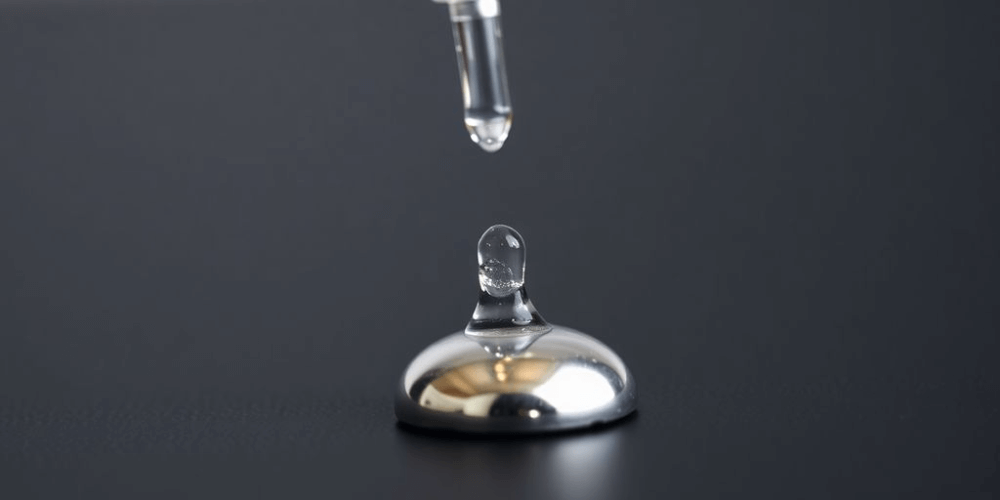
Afterward, you apply a small drop of test acid onto the streak and observe the reaction. Because the stone isolates the test area, it protects valuable or delicate items from unnecessary damage. As a result, professionals favor this approach when testing jewelry, watches, and antiques.
Moreover, the touchstone method allows side-by-side comparison. You can place multiple streaks on the same stone and test them under identical conditions, which improves consistency and confidence in interpretation.
Direct Application Testing
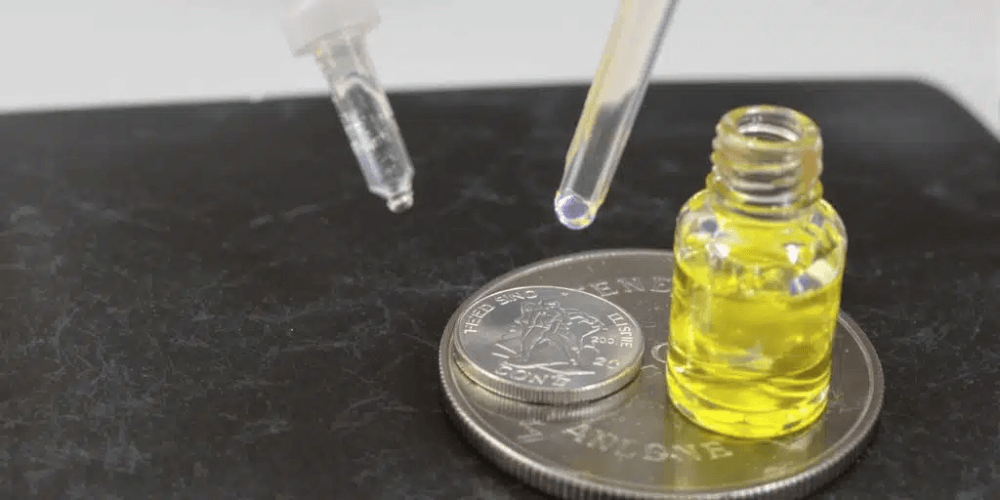
Sometimes, direct application becomes necessary. When testing scrap silver, damaged items, or low-value pieces, applying acid straight onto a filed area can save time. However, this approach requires caution.
First, you must expose raw metal by filing or scratching through any surface coating. Otherwise, the acid reacts only with plating and delivers misleading results. Second, you should always apply the smallest possible amount of acid to minimize surface impact.
Although direct testing offers speed, it sacrifices subtlety. Therefore, many users reserve it for situations where cosmetic damage does not matter.
Reading and Interpreting Results
Interpreting silver test acid reactions takes practice, yet clear patterns exist. When the acid produces a light, creamy, or stable reaction, it usually indicates genuine silver. Conversely, darker discoloration, green tones, or rapid reaction breakdown often signal the presence of base metals or low silver content.
Because copper is often present in silver alloys, greenish reactions usually indicate sterling or lower-grade silver. Meanwhile, a lack of response or rapid disappearance usually indicates silver plating over another metal.
Importantly, lighting, surface preparation, and acid freshness all affect results. Therefore, consistent technique matters as much as chemical quality.
Safety Considerations When Using Test Acids
Even chromate-free silver test acids require responsible handling. Although safer than older formulations, they still contain active chemicals that can irritate skin and eyes. For that reason, protective gloves and eye protection remain essential.
Additionally, working in a ventilated area helps prevent inhalation of fumes. You should also store acids securely, away from children and incompatible materials.
Because modern products prioritize safer chemistry, choosing reputable suppliers improves both accuracy and user safety. Compact bottles also reduce waste and limit exposure during routine testing.
Practical Uses Across Industries
Silver test acids serve many professions. Jewelers rely on them before repairs or resale. Watchmakers use them to verify cases and components. Antique dealers apply them when authenticating inherited pieces. Collectors and buyers use them to avoid costly mistakes.
Furthermore, silver testing is invaluable in secondary markets, flea markets, and estate sales, where documentation is often unreliable. In these environments, a small bottle of test acid becomes a powerful decision-making tool.
As silver prices fluctuate, accurate identification also protects financial interests. Therefore, test acids remain relevant despite advances in high-tech testing methods.
Limitations of Silver Acid Testing
While acid testing offers speed and accessibility, it does have limits. It cannot provide exact purity percentages, nor can it fully replace laboratory analysis. Additionally, surface damage, even when minimal, may concern owners of rare items.
For high-value pieces, professionals often combine acid testing with non-destructive methods like XRF scanning. This layered approach balances speed with precision.
Nevertheless, for everyday verification, silver test acids deliver reliable results when used correctly.
Final Thoughts
Test acids for silver remain essential because they blend chemistry, practicality, and affordability. When used with care, they reveal authenticity quickly and reliably. Modern chromate-free formulations further enhance safety while preserving effectiveness.
Whether you work with watches, jewelry, or collectibles, understanding how silver test acids function empowers better decisions. With the right tools, proper technique, and consistent interpretation, silver testing becomes not only accurate but confidently repeatable.


