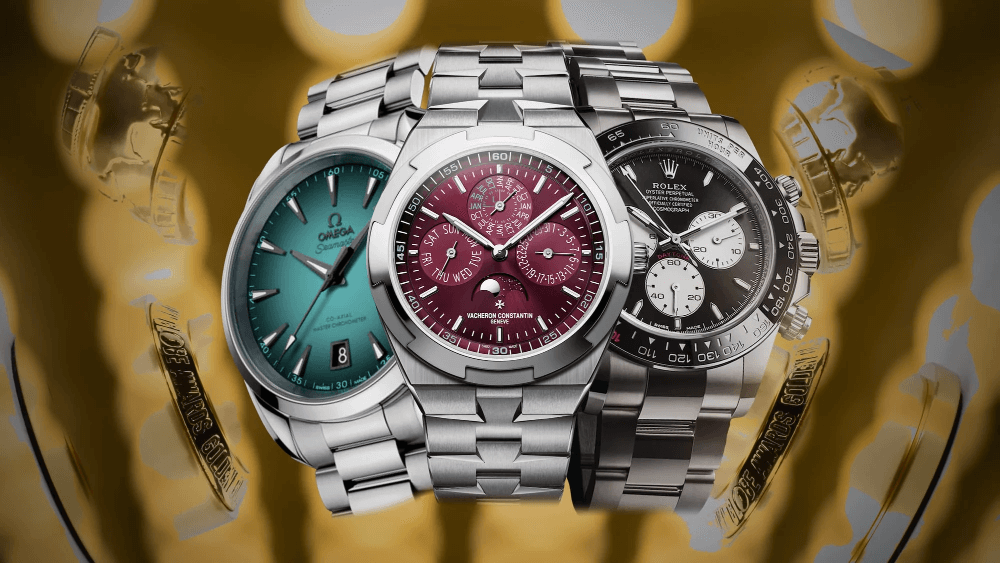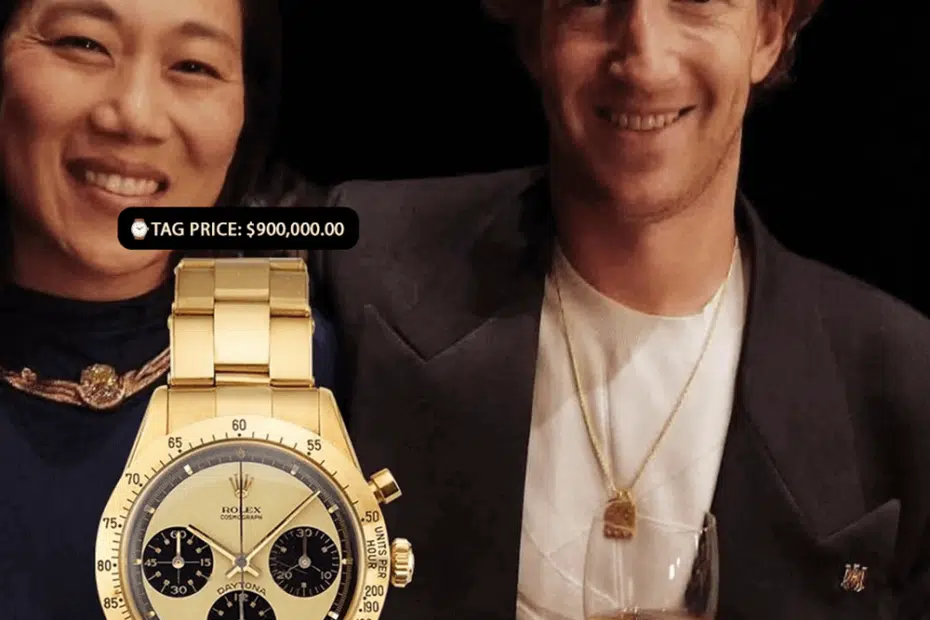
Scroll through any watch-focused feed and a familiar story appears. One watch equals one lifestyle. Therefore, a single reference number starts to look like a bank statement. The internet even names this idea: the “rich man’s watch.”
However, this label hides more than it explains. Watches can cost a lot, yes. Yet wealth does not live inside a case, and status does not tick at 28,800 vibrations per hour. Moreover, watch culture thrived long before wrist-roll videos, viral waitlists, and flex-driven rankings.
So what changed? Social media changed the incentives. Consequently, platforms reward simple narratives, loud signals, and fast judgment. As a result, a few “status watches” dominate attention, while craftsmanship, history, and personal taste fade into the background.
This article explains how the “rich man’s watch” myth formed, why it spreads so easily, and how it distorts modern watch culture. More importantly, it shows how to see watches clearly again.
What People Really Mean By “Rich Man’s Watch”
When people use the phrase, they usually mean one of two things. Either the watch costs a lot, or the watch looks expensive to outsiders. Therefore, the label depends on price and recognizability.
However, those factors rarely align. Some of the most expensive watches in the world look modest. Meanwhile, some visually loud watches cost far less than people assume. Consequently, the label reflects perception rather than reality.
Social media turns that perception into something that feels objective. Rankings, reels, and comment sections reinforce the idea. Therefore, the myth gains authority simply through repetition.
Why Social Media Favors Status Shortcuts
Social platforms optimize for attention. Therefore, content that triggers fast emotion wins.
Explaining movement finishing requires patience. In contrast, a post titled “Top Watches That Scream Money” lands instantly. Moreover, the “rich man’s watch” narrative offers a shortcut. It replaces learning with labeling.
Algorithms amplify this behavior. Content that sparks envy, aspiration, or outrage receives more engagement. Consequently, platforms surface more of it. Over time, feeds tilt toward extremes.
As a result, watch culture online shifts from curiosity to comparison. The watch ceases to be an object of interest and becomes a scoreboard entry.
Social Comparison Turns Watches Into Identity Markers
People naturally compare themselves to others. Therefore, social media intensifies this instinct by offering endless reference points.
In this environment, watches become identity tokens. They sit on the wrist. They appear in photos. They imply lifestyle. Consequently, a watch can start to stand in for success itself.
When viewers see repeated images of certain watches paired with luxury backdrops, the association hardens. The watch equals wealth. The wealth equals worth. Therefore, the myth feeds directly into self-evaluation.
Over time, this cycle encourages buying for symbolism rather than enjoyment. Instead of asking “Do I like this?” people ask “What does this say about me?”
Influencer Incentives Narrow The Definition Of “Good Watches”
Influencers rarely invent the problem. However, incentives shape behavior.
Recognizable watches generate clicks. Therefore, creators repeatedly feature the same references. Sponsors prefer proven attention. Audiences reward familiarity—consequently, content clusters around a small set of icons.
New collectors then absorb a distorted picture. They assume the hobby revolves around a narrow hierarchy of “winning” watches. As a result, exploration shrinks.
Instead of developing taste, people chase approval. The watch becomes a credential, not a companion.
Scarcity And Access Become Part Of The Flex
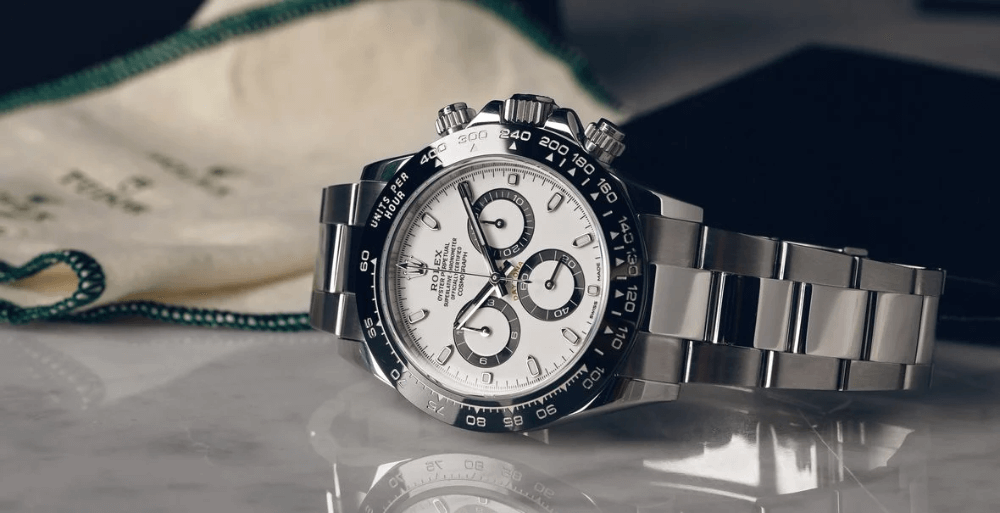
Social media also turned access into a storyline. Getting “the call” becomes content. Waitlists become proof of status.
Scarcity amplifies desire. Therefore, a watch that feels hard to obtain gains symbolic weight beyond its physical qualities. When creators frame access as achievement, the myth deepens.
The watch no longer signals craftsmanship alone. It signals selection. Consequently, wealth and worth collapse into the same image again.
Resale Culture Reinforces The Myth
Another accelerant appears in resale narratives. Watches become “assets.” Prices become validation.
Social feeds track charts, premiums, and flips. Therefore, market movement becomes entertainment. A rising price confirms the myth. A falling price threatens it.
This mindset shifts attention away from the wearer’s experience. Instead, people judge watches by performance rather than pleasure. As a result, cultural value narrows further.
A watch that holds value becomes “smart.” A watch that does not become “wrong.” Nuance disappears again.
Loud Luxury And Quiet Luxury Both Get Trapped Online
Here is the paradox. Social media distorts flashy watches and subtle watches alike.
Flashy watches turn into memes about ego. Meanwhile, understated watches become a different kind of flex. “If you know, you know” replaces diamonds and gold. Consequently, both ends become signaling games.
The myth adapts instead of dying. The “rich man’s watch” simply changes costume. Loud or quiet, the goal stays the same. Signal superiority.
Therefore, even restraint can become performative online.
How The Myth Affects New Collectors
New collectors feel the impact most. Therefore, the damage matters.
First, the myth shrinks curiosity. Beginners explore less because feeds point them toward a narrow path.
Second, the myth creates anxiety. People fear judgment. Consequently, buying becomes stressful rather than joyful.
Third, the myth erases financial diversity. Many collectors build meaningful collections on modest budgets. However, feeds highlight extremes. As a result, beginners feel excluded before they begin.
Fourth, the myth confuses popularity with quality. A famous watch can be excellent. Yet fame alone does not equal craftsmanship.
How The Myth Reshapes Watch Culture
Over time, the culture bends.
Brands notice which watches dominate feeds. Therefore, they lean into similar designs. Meanwhile, smaller or quieter brands struggle for attention.
Discussion also flattens. Instead of talking about case geometry, finishing, or movement architecture, conversations focus on net worth and resale. Consequently, the craft dimension weakens.
Gatekeeping grows from both sides. Affordable watches get mocked. Luxury watches get moralized. Therefore, the hobby becomes less welcoming overall.
A culture built on comparison eventually forgets why it started.
How To See Watches Clearly Again
You cannot remove social media. However, you can change how you use it.
Start by separating price, recognition, and meaning. Price reflects cost and market forces. Recognition reflects branding and exposure. Meaning reflects your relationship with the watch.
Next, curate your input. Follow educators and craftspeople, not only flex accounts. When you understand design and mechanics, hype loses power.
Also, define your own “why.” Do you care about engineering? History? Daily wear comfort? Once you answer that, outside validation matters less.
Finally, practice private enjoyment. Wear the watch without posting. Let it age with you. Meaning grows through time, not likes.
Final Thoughts
The “rich man’s watch” myth thrives because social media rewards simplicity. Algorithms amplify comparison. Culture follows incentives.
Yet watches remain richer than the myth allows. They represent design history, mechanical ingenuity, craftsmanship, and memory. Moreover, the healthiest watch culture values curiosity over competition.
If a feed tells you a watch equals wealth, pause. Then ask a better question. Does this watch fit my taste, my life, and my values? If it does, you already escaped the myth.