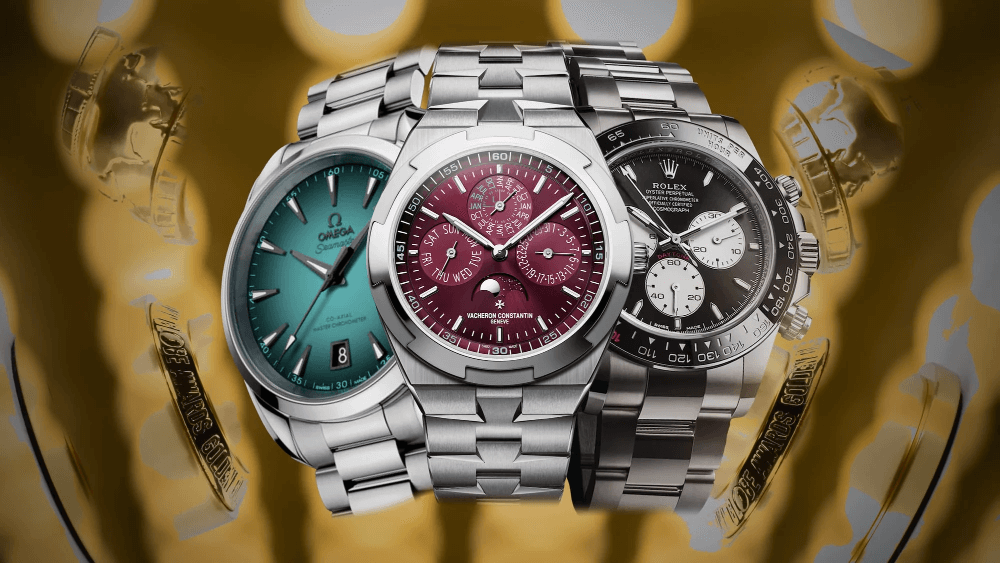
A watch does more than tell time. It tells a story, often before its owner says a word. Even so, most people do not buy a watch purely to send a message. They buy it because it feels right, fits a milestone, or satisfies curiosity. However, once the watch is on the wrist, it starts communicating anyway. That’s why a good watch brand is important.
Because watches sit at the intersection of utility, taste, and status, brands naturally carry meaning. Over time, those meanings harden into patterns. As a result, people begin to associate certain traits with certain names on the dial. This article does not claim absolute truths. Instead, it explores the signals that tend to follow each brand in everyday social contexts.
From accessible Swiss staples to rare independent haute horology, each choice suggests something about how the wearer thinks, spends, and positions themselves. With that in mind, let’s start where many journeys begin.
Tissot
Tissot often signals intentional practicality. While it carries genuine Swiss heritage dating back to the nineteenth century, it avoids the inflated prestige tax that surrounds many luxury names. Because of that balance, Tissot usually reads as a choice made with care rather than impulse.
In many cases, a Tissot owner wants reliability and legitimacy without excess. They appreciate tradition, yet they remain grounded. Moreover, they often take pride in getting strong value instead of chasing validation. As a result, the watch communicates competence and restraint.
Therefore, wearing Tissot tends to suggest someone who respects quality, understands budgets, and feels no need to prove their sophistication loudly.
Seiko
Seiko sends a very different message. Rather than aligning with status, it aligns with independence. Because Seiko spans everything from affordable automatics to serious high-end pieces, the brand often reflects curiosity more than income.
In addition, Seiko ownership usually implies research. Owners know references, movements, and production stories. Consequently, even when the watch costs relatively little, it still reads as informed. The brand suggests confidence rooted in taste rather than consensus.
Thus, Seiko often signals someone who buys for themselves first and trusts their own judgment.
Casio
Casio communicates freedom from expectation. Whether it is a simple digital model or a rugged G-Shock, the message remains the same: function matters more than performance.
Because Casio watches are durable, affordable, and unapologetically utilitarian, they often read as deliberate non-luxury. In other words, the wearer could participate in status games but chooses not to. That choice signals comfort and self-assurance.
As a result, Casio tends to suggest a practical personality with a sense of humor and a low tolerance for fragility.
Tudor
Tudor occupies a carefully calibrated space. It signals knowledge without excess and heritage without rigidity. Since many people understand Tudor’s relationship to Rolex, the brand often reads as an insider’s decision.
Moreover, Tudor owners usually appreciate tool-watch aesthetics and modern proportions. They want robustness, but they also wish to style. Because of that, the brand projects restraint paired with confidence.
Therefore, wearing Tudor often suggests someone who did their homework and values substance over flash.
Omega
Omega carries ambition. Its long history, technical credibility, and cultural visibility give it weight. As a result, Omega often signals aspiration that feels earned rather than forced.
Additionally, Omega owners tend to value stories. Moon landings, dive heritage, and sporting milestones all matter here. The watch feels symbolic, even when worn casually. Consequently, the brand reads as purposeful and forward-looking.
So, Omega often suggests someone who respects legacy while actively chasing progress.
TAG Heuer
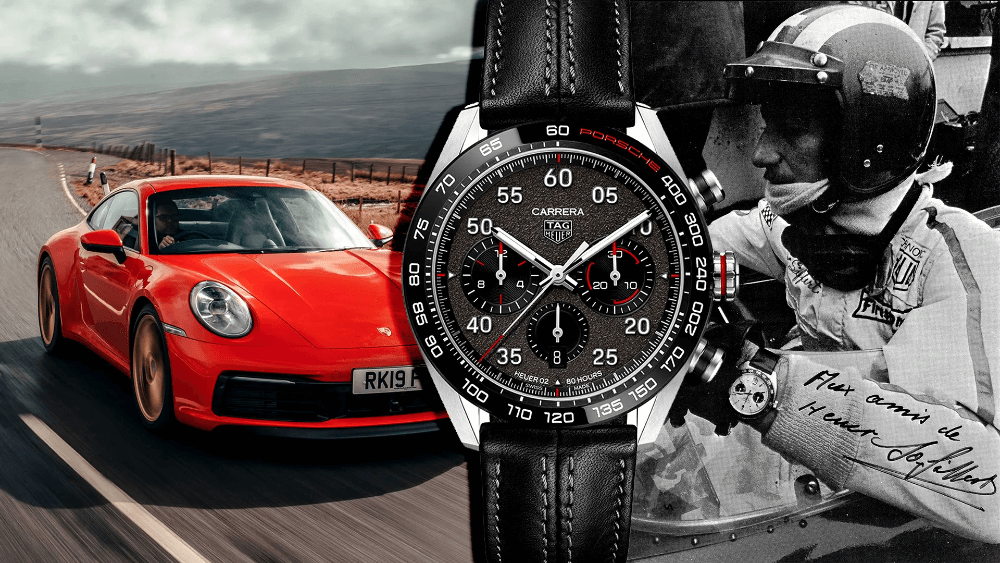
TAG Heuer communicates motion. Its association with motorsport, speed, and modern design makes it feel energetic and social. Because the brand leans into visibility, it often appeals to people who enjoy being active and present.
In many cases, TAG Heuer ownership suggests lifestyle orientation. The watch pairs easily with casual wear, travel, and nightlife. It also photographs well, which matters in contemporary culture.
As a result, TAG Heuer tends to signal confidence, extroversion, and a taste for modern flair.
Rolex
Rolex delivers clarity. The message lands immediately because the brand’s symbolism is nearly universal. However, Rolex signals more than wealth alone. It signals a preference for certainty.
Because Rolex designs remain consistent for decades, the brand appeals to people who value stability and recognition. In addition, the watches project durability and permanence, which reinforces a sense of control.
Therefore, wearing a Rolex often suggests strategic thinking, awareness of status, and comfort with visibility.
Cartier
Cartier speaks the language of design. Rather than emphasizing mechanical dominance, it prioritizes form, proportion, and elegance. Because of that, Cartier often reads as a display of aesthetic confidence.
Moreover, Cartier does not position itself exclusively within watch-enthusiast culture. It exists comfortably in fashion, art, and social settings. As a result, the brand suggests a taste that transcends technical obsession.
Thus, Cartier ownership often signals refinement, versatility, and a preference for elegance over spectacle.
Patek Philippe
Patek Philippe communicates long-term thinking. Its messaging around inheritance and legacy reinforces patience and continuity. Therefore, the brand often reads as intentional rather than impulsive.
In addition, Patek ownership suggests selectivity. The watches are not trend-driven, and access often requires time and relationships. Consequently, the brand signals maturity and restraint.
So, wearing Patek Philippe tends to suggest someone focused on permanence, tradition, and generational value.
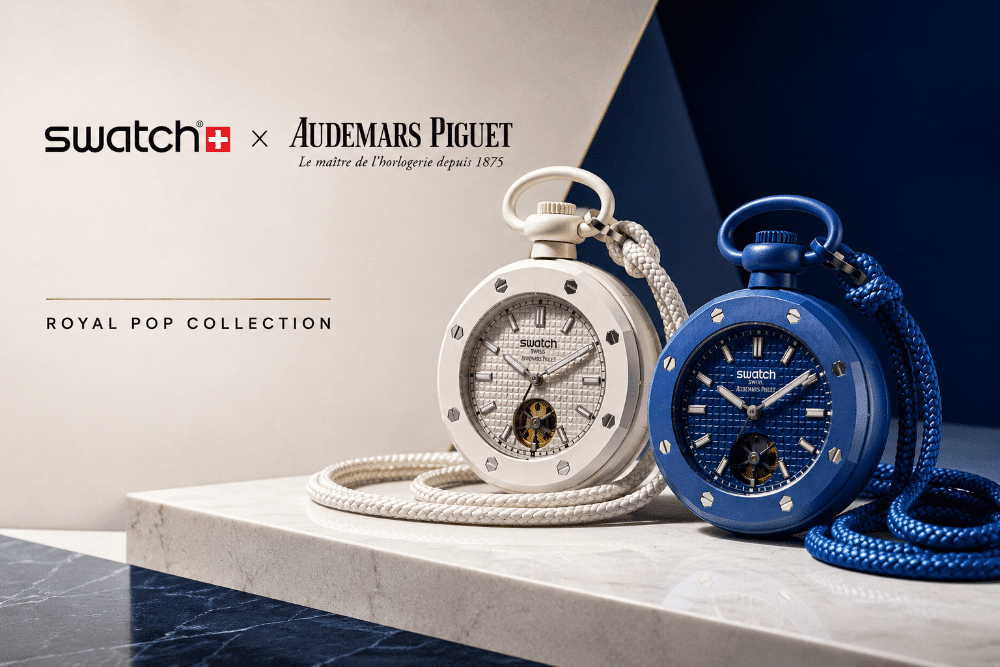
Audemars Piguet
Audemars Piguet projects bold modern luxury. Its designs, especially iconic models, command attention. Because of that, AP often reads as confidence paired with cultural awareness.
Moreover, AP ownership often aligns with contemporary status environments, such as nightlife, fashion, and the creative industries. The brand does not hide. Instead, it embraces visibility.
As a result, Audemars Piguet often suggests someone comfortable standing out and navigating high-energy social spaces.
A. Lange & Söhne
A. Lange & Söhne signals craft obsession. The brand speaks quietly yet deeply. Because of its emphasis on finishing, symmetry, and technical integrity, Lange appeals to connoisseurs.
In many cases, Lange ownership implies a deliberate rejection of hype. The watches reward close inspection rather than instant recognition. Consequently, the brand reads as serious and disciplined.
Thus, wearing Lange often suggests someone who values mastery, patience, and intellectual satisfaction.
Greubel Forsey
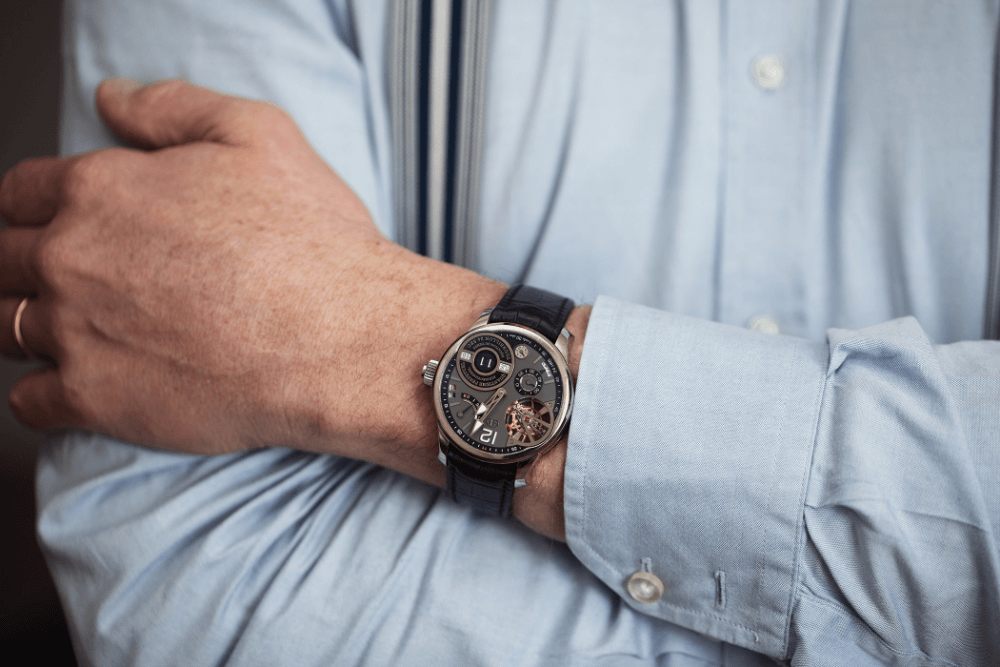
Greubel Forsey represents uncompromising intent. The brand operates outside mainstream luxury and focuses on extreme innovation and finishing. Because of that, it rarely functions as a status symbol in the traditional sense.
Instead, Greubel Forsey ownership signals deep immersion in horology. The wearer prioritizes experimentation, philosophy, and execution over recognition. Even wealth becomes secondary to obsession.
Therefore, Greubel Forsey suggests a collector mindset defined by depth, curiosity, and absolute commitment.
The Meaning Behind The Choice
Every watch brand sends a message, whether intended or not. Still, the strongest signal does not come from price or rarity alone. It comes from alignment. When a watch fits the wearer’s values, lifestyle, and mindset, the message feels authentic.
In the end, the most compelling statement is simple. You chose the watch because it made sense to you. Everything else follows naturally from there.