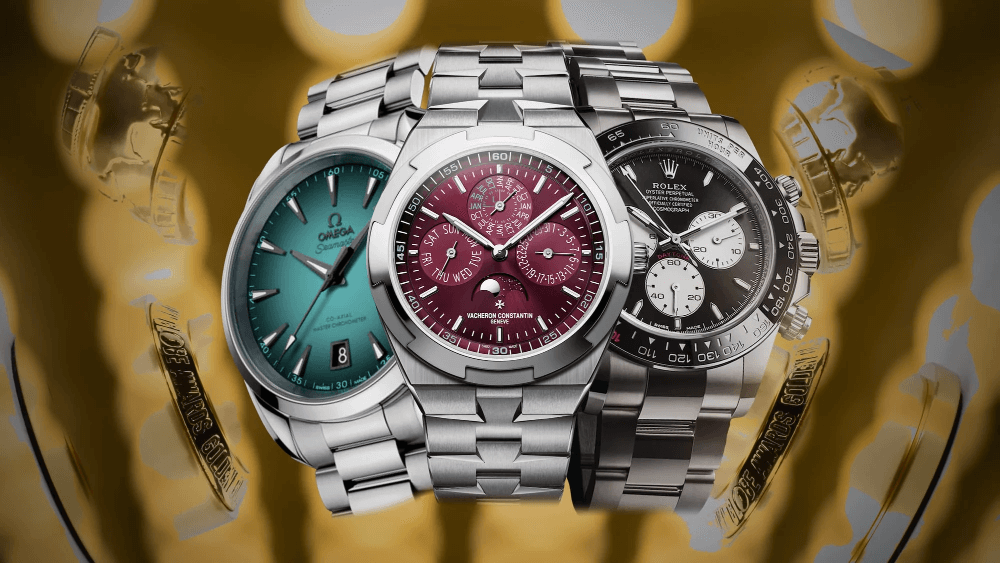
The watch world loves a clean rivalry. Independent watchmakers versus big brands. Craft versus scale. Soul versus structure. Therefore, many collectors feel pressure to choose sides. It’s always a debate between independent watchmakers Vs big brands.
However, true value in watch collecting rarely lives in extremes. Instead, it lives in alignment. What you value determines where value appears. Do you want predictability and support? Or do you like originality and human touch? Moreover, do you prioritize liquidity or emotional return?
Big brands excel at consistency, infrastructure, and recognition. Independents excel at creativity, intimacy, and often astonishing finishing. Consequently, value depends less on category and more on intention.
This article breaks down where value actually lives. It explains what each side does well, where each falls short, and how collectors can make clearer choices without hype.
What Defines Big Brands And Independent Watchmakers
Before comparing values, definitions matter. Otherwise, the debate stays vague.
Big brands operate at scale. Therefore, they produce large volumes, maintain global distribution, and invest heavily in marketing and service infrastructure. They rely on standardized processes, long-term planning, and strong brand equity.
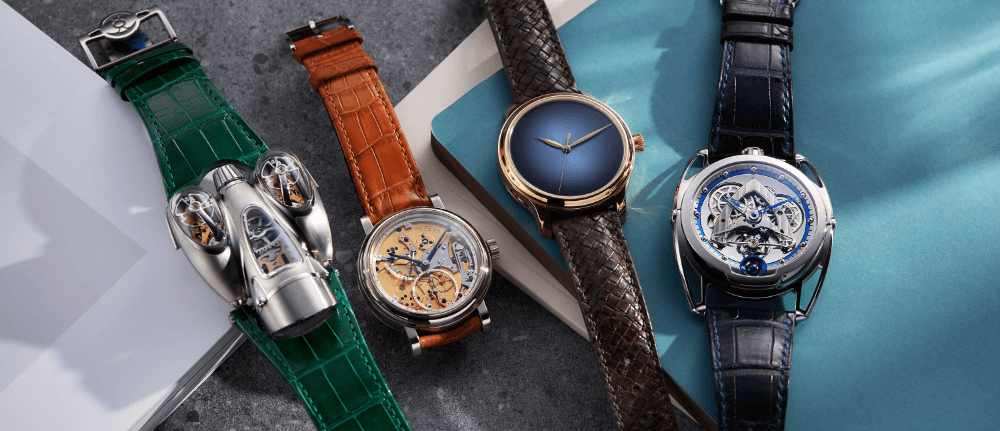
Independent watchmakers operate on a smaller scale. Therefore, production stays limited, teams remain small, and creative control stays close to the bench. In many cases, independents design, assemble, and finish watches within tight circles.
However, “independent” does not mean uniform quality. Some independents operate like full manufacturers. Others function more like artistic studios. Consequently, evaluation must stay specific.
Why The Question Of Value Feels Urgent Today
The modern watch market feels polarized. Therefore, value conversations have intensified.
A small number of big brands capture a large share of industry revenue. As a result, prices rise, waitlists grow, and demand concentrates. Meanwhile, independent watchmakers gain cultural visibility among enthusiasts and collectors.
At the same time, buyers feel more price-sensitive. They ask harder questions. What am I actually paying for? Craft, marketing, scarcity, or story?
So, the value question matters more than ever. It shapes buying behavior, collecting philosophy, and long-term satisfaction.
Where Big Brands Consistently Deliver Value
Big brands optimize for reliability. Therefore, they often deliver predictable ownership experiences.
Consistency And Industrial Precision
Large brands enforce standardized production and quality control. As a result, watches leave factories with consistent tolerances, finishing levels, and performance metrics.
This consistency reduces uncertainty. Therefore, buyers can purchase with confidence, even without deep technical knowledge.
Service Infrastructure And Longevity
Service becomes part of the value over time. Big brands invest heavily in global service networks, parts availability, and documentation. Consequently, long-term ownership feels safer and simpler.
For daily wearers, this infrastructure matters deeply. A watch that can be serviced anywhere retains practical value.
Design Recognition And Cultural Weight
Big brands also carry cultural capital. Their designs register instantly. Therefore, recognition becomes a feature.
Recognition can support resale. It can also support social signaling. For some collectors, that visibility holds value.
Liquidity In The Secondary Market
Large brands often benefit from deep secondary markets. Therefore, selling or trading becomes easier.
However, liquidity varies by model and timing. So, “big brand” does not guarantee appreciation. Still, it often guarantees market access.
Where Big Brands Can Dilute Value
Big brands also face structural trade-offs. Therefore, value does not always cleanly track price.
Pricing Includes Brand Machinery
Marketing, sponsorships, boutiques, and ambassadors cost money—consequently, part of the retail price funds perception rather than physical craft.
This does not make the watch inferior. However, it shifts what the buyer pays for.
Creative Risk Stays Limited
Big brands protect icons. Therefore, they move carefully.
This restraint produces timeless design. However, it can limit experimentation. For collectors seeking novelty, this can feel restrictive.
Scarcity Can Become Strategic
Some brands manage scarcity deliberately. Consequently, pricing and demand can detach from production cost.
When scarcity drives price more than craft, buyers may question value.
Where Independent Watchmakers Create Unique Value
Independents often compete where big brands cannot. Therefore, value feels different, not necessarily higher.
Creative Freedom And Originality
Independent makers face fewer constraints. Therefore, they explore unusual displays, architectural styles, and finishing techniques.
This freedom creates emotional impact. The watch feels personal rather than optimized.
High Craft Density Per Watch
Many independents invest extraordinary time per piece. Therefore, finishing density increases.
Hand-beveled edges, black-polished steel, and complex movement layouts reward close inspection. Consequently, value reveals itself slowly, not instantly.
Natural Rarity
Independent rarity usually comes from capacity, not strategy. Therefore, scarcity feels structural.
Some independents stop taking orders because they physically cannot produce more. As a result, ownership feels earned rather than allocated.
Emotional Connection To The Maker
With independents, the maker often remains visible. Therefore, the story feels authentic.
Collectors value this connection. The watch becomes a representation of shared philosophy rather than corporate output.
Where Independent Value Can Break Down
Independents also carry risks. Therefore, buyers must evaluate carefully.
Service And Long-Term Support
Service infrastructure varies widely. Some independents plan well. Others struggle.
Parts availability, turnaround time, and future viability all affect long-term value—consequently, research matters.
Resale Volatility
Independent watches can perform well at auction. However, secondary markets remain thinner.
Liquidity fluctuates. Therefore, buyers should not rely on resale unless they understand the niche deeply.
Independence does not guarantee Quality
Independence does not equal excellence by default. Some independents outsource heavily or prioritize branding over execution.
Therefore, buyers must examine movement finishing, case quality, and consistency.
Value Depends On The Lens You Use
Value shifts when priorities shift. Therefore, one answer never fits all.
If you value daily reliability and ease, big brands often deliver more value.
If you value craftsmanship intensity and originality, independents often deliver more value.
If you value resale liquidity, big brands usually dominate. If you value emotional return, independents often excel.
So, value lives where priorities align.
A Practical Framework For Choosing
Instead of choosing sides, ask focused questions.
First, ask how you will use the watch. Daily wear favors infrastructure. Occasional wear favors artistry.
Next, ask what you want your money to support. Corporate scale or individual vision?
Then, ask how much uncertainty you can tolerate. Predictability comforts some collectors. Exploration excites others.
Finally, ask what brings lasting satisfaction. Visibility fades. Meaning endures.
The Middle Ground Creates The Strongest Collections
Many experienced collectors blend both worlds. Therefore, balance often wins.
A big-brand watch can anchor a collection. An independent can deepen it. Together, they create utility and poetry.
This hybrid approach reduces pressure. Each watch serves a role.

Final Thoughts
Independent watchmakers and big brands create value in different ways. Therefore, the debate only matters when you define value first.
Big brands offer consistency, service, and recognition. Independents offer originality, craft density, and human connection. Both can deliver excellence. Both can disappoint.
True value lives where expectation meets reality. When a watch fits your priorities, price fades into the background. Consequently, the watch stops being a transaction and becomes a companion.