When people think about soldering tools, they usually picture torches, flux, or solder wire. But the surface you solder on matters just as much. That’s where charcoal blocks come in.
For jewelers and metalworkers, charcoal is one of the most reliable soldering surfaces available. It’s been used for generations—and for good reason.
Let’s explore what a charcoal soldering block is, why it works so well, and how to use it properly.
What Is a Charcoal Soldering Block?
A charcoal soldering block is a compact, lightweight slab made from compressed charcoal. It serves as a heat-resistant surface for soldering small metal pieces. Jewelers often use it when working with gold, silver, brass, or copper.
These blocks are usually rectangular, about the size of a paperback book. You’ll find them in hard or soft varieties.
Soft blocks are easier to shape or pin into. However, they crumble faster. Hard charcoal blocks last longer and resist cracking better under high heat.
Why Charcoal?
There are many soldering surfaces out there—ceramic, firebrick, magnesia. So why do so many jewelers still prefer charcoal?
Because it works.
Charcoal reflects heat back onto the piece, creating a hotter work environment. This allows the metal to reach soldering temperature faster. As a result, you save time and reduce fuel use.
But there’s more. Charcoal also creates a reducing atmosphere. That means it helps limit oxidation during soldering. Less oxidation means cleaner joints and better flow.
This is especially useful when working with silver, which tarnishes quickly.
Benefits of Soldering on Charcoal
There are several key advantages to using a charcoal block:
- Even heat distribution: Charcoal radiates heat back toward the metal.
- Cleaner results: It reduces oxygen exposure, which helps keep the workpiece bright.
- Improved solder flow: Heat concentration makes solder melt and flow better.
- Flexible surface: You can carve into it or stick pins to hold parts in place.
- Lightweight and portable: Easy to move around your bench.
Although it wears down over time, the benefits often outweigh the cost—especially for intricate or precision work.
How to Use a Charcoal Block
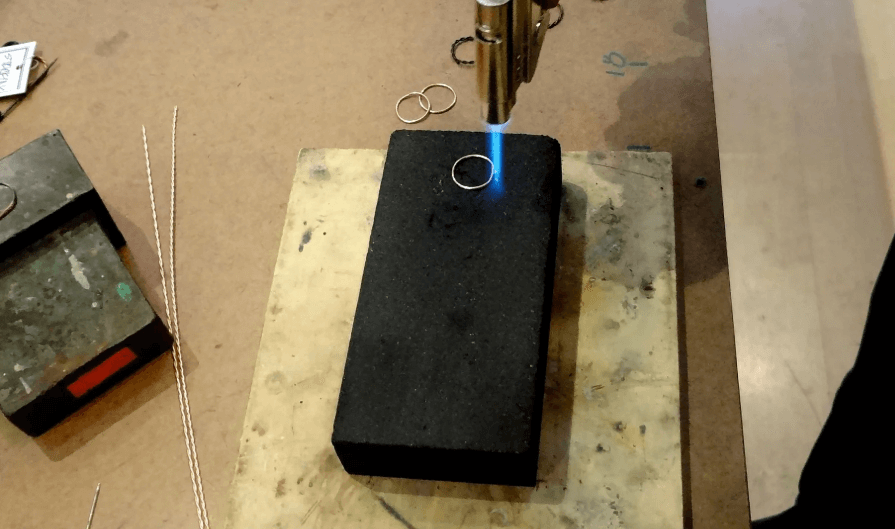
Using a charcoal block is simple, but you still need to follow a few steps to get the best results.
- Secure the block: Charcoal can crack under direct flame. So use a charcoal block holder or wrap it with binding wire to keep it intact. You can find complete sets like this one at Buzzufy.
- Prep the surface: If the block is new, you might want to smooth it slightly or shape grooves if needed.
- Place your work: Set your metal pieces on the flat surface or use pins to hold them in place.
- Apply flux and solder: Just as you would with other surfaces.
- Use your torch carefully: Move in slow, steady passes to build heat evenly. The block will help reflect it back toward the work.
- Let it cool: Once done, allow both the workpiece and block to cool before handling.
Because charcoal retains heat, it stays hot longer than ceramic or steel surfaces. So be cautious.
Soft vs Hard Charcoal Blocks
Both types have strengths.
Soft charcoal blocks are easier to carve into. They’re great when you need to create a custom cradle or secure delicate parts. However, they also degrade faster and produce more dust.
Hard charcoal blocks are more durable. They resist cracking and last through more torch sessions. They’re less flexible but better for daily use.
Depending on your workflow, you might want both. Use soft blocks for delicate pieces and hard ones for routine soldering.
How to Maintain a Charcoal Block
Charcoal blocks don’t last forever, but you can extend their life with a few simple tips:
- Always use a holder or wire wrap to prevent splitting.
- Keep it dry. Moisture weakens the block. Store it in a dry drawer or container.
- Avoid dropping it. Charcoal is brittle. Even small falls can crack it.
- Sand lightly if the surface gets too rough or dirty.
Eventually, your block will shrink, crack, or burn out. When that happens, it’s time to replace it. Thankfully, they’re affordable and easy to find online.
Where to Buy Charcoal for Soldering
Ready to try soldering on charcoal? Or need to replace an old block?
You can find a quality charcoal block and holder set here:
? Charcoal for Soldering at Buzzufy
This combo gives you the essentials—a reliable block and a metal holder to keep it secure. It’s a great starting point for beginners or pros.
Buzzufy offers solid customer service and fast shipping, so you’ll be set up in no time.
Final Thoughts
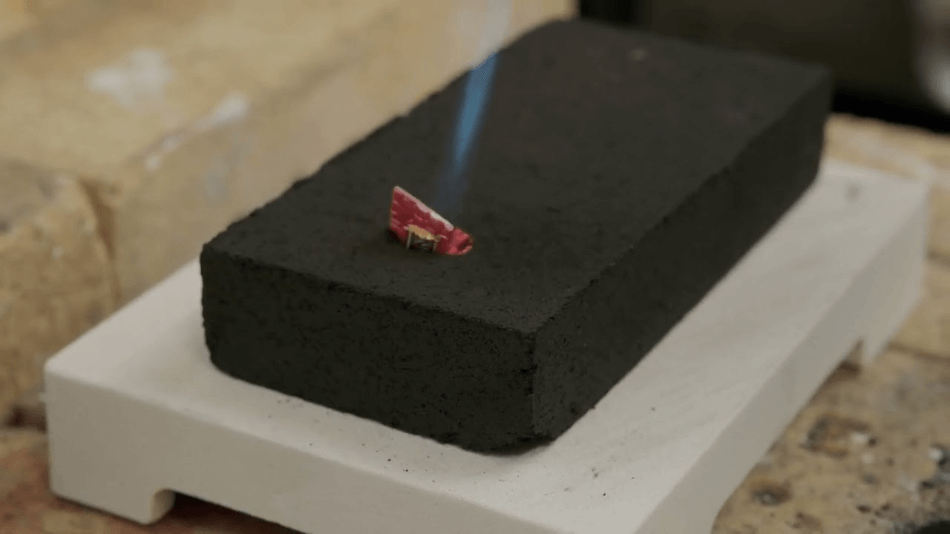
Charcoal soldering blocks may look simple, but they’re one of the most effective tools on any jeweler’s bench. They boost heat efficiency, reduce oxidation, and support cleaner, faster work.
If you’re still using ceramic or firebrick, switching to charcoal could make a real difference. And if you’re just getting started, it’s one of the smartest upgrades you can make.
So grab a block, fire up the torch, and see why generations of jewelers still trust charcoal.