Changing a strap should feel simple. However, many watch owners learn the hard way. A slipping tool can scratch a case. A stubborn spring bar can bend. A bracelet can fight back harder than expected. Therefore, the right spring bar tool matters far more than most people realize.
A spring bar tool looks basic. Yet, it controls leverage, accuracy, and safety. Moreover, it determines whether a strap swap takes two minutes or twenty. If you change straps often, the tool becomes part of your routine. Consequently, choosing the right one saves time, reduces damage, and makes the process enjoyable.
This guide compares spring bar tools, explains the key features that matter, and recommends the best picks for different use cases. Whether you swap leather straps at home or work on bracelets daily, you will know what to buy and why.
What A Spring Bar Tool Does
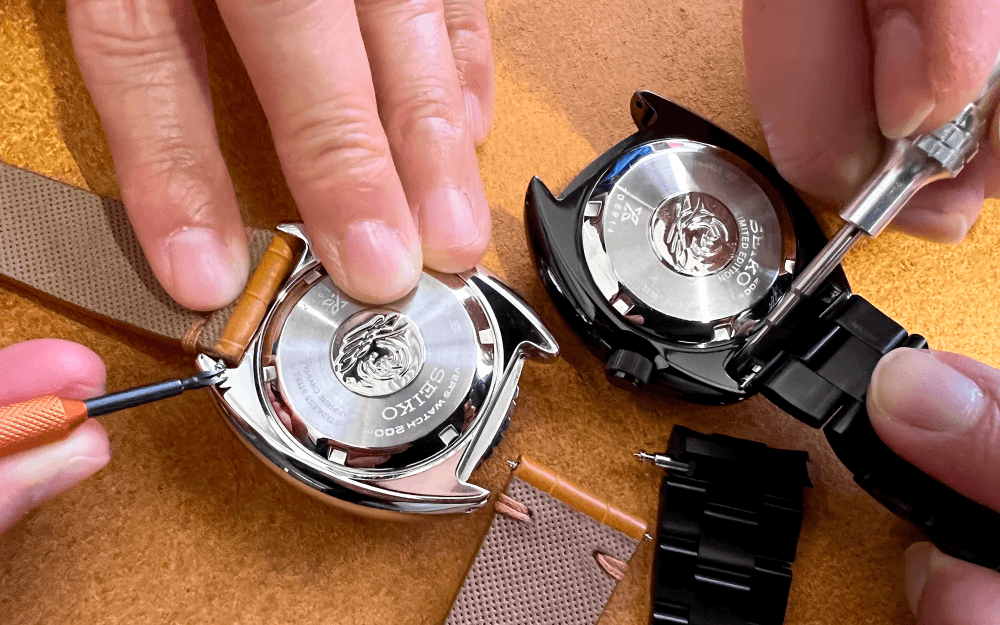
A spring bar tool compresses the spring-loaded ends of a spring bar. Therefore, it lets you remove or install a strap or bracelet.
Most tools include two ends. One end has a fork for standard spring bars. The other end has a pin for pushing out bars or working on drilled lugs.
Because spring bars operate under tension, tool control matters; a sharp fork can grip the shoulder cleanly. A dull fork slips. Consequently, forks and tips become more important than the handle itself.
Why Some Strap Changes Feel Easy, And Others Feel Impossible
Not all watch setups behave the same. Therefore, the tool you use should match the job.
Leather straps with standard spring bars usually remove easily. However, bracelets create more resistance. End links press tightly against the case. Tolerances can be extremely close. Consequently, access becomes limited.
Quick-release straps also change the equation. With those, you do not need a tool at all. However, many bracelets and traditional straps still rely on spring bars.
So, if you work on bracelets regularly, you need a stronger tool with sharper tips.
Key Features That Matter In Spring Bar Tools
Spring bar tools look similar online. However, they feel very different in use. Therefore, focus on these features when comparing tools.
Tip Quality And Sharpness
Tip quality is the priority. Sharp forks grip securely. Therefore, they reduce slipping.
Cheap tools often use soft metal tips. As a result, they bend and dull quickly. Once the fork becomes rounded, it slides off the shoulder of the spring bar. Consequently, scratches happen.
If you change straps often, buy a tool with replaceable tips. This feature extends lifespan and maintains consistent performance.
Fork Size And Shape
Fork width matters because spring bars vary in size. Therefore, you want a fork that fits tightly under the spring bar shoulder.
A fork that is too wide struggles in tight end links. A fork that is too narrow can slip. Consequently, having multiple fork sizes becomes useful.
Many professionals prefer fine forks for bracelets. Meanwhile, wider forks work well for straps.
Handle Grip And Control
A good handle improves control. Therefore, it reduces case scratches.
Metal handles feel solid. However, knurled grips prevent slipping. Some tools also use rubberized sections for comfort.
If you make frequent changes, an ergonomic grip matters more than you think. Your fingers will thank you.
Durability And Tip Replacement
A spring bar tool becomes useless when the tip fails. Therefore, durability is essential.
Replaceable tips give long-term value. Instead of buying a full new tool, you replace the fork or pin tip. Consequently, higher-quality tools often cost less over time.
Dual-Ended Vs Single-Purpose
Dual-ended tools offer versatility. Therefore, they work well for general use.
However, single-purpose tools sometimes offer better control. For example, a dedicated fine fork tool may work better for bracelets than a general dual-ended tool. Consequently, professionals often own more than one.
The Most Common Types Of Spring Bar Tools
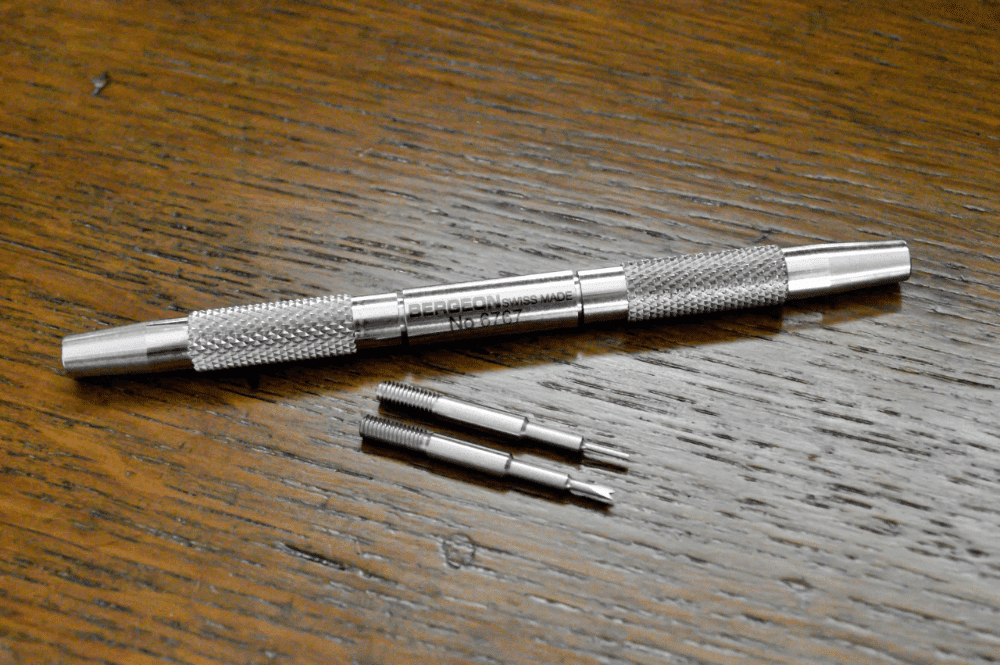
Spring bar tools fall into a few main categories. Therefore, understanding the categories helps you make quick choices.
Standard Dual-Ended Spring Bar Tool
This tool has a fork and a pin. Therefore, it covers most basic strap changes.
It works well for leather, rubber, and many bracelets. However, it may struggle on very tight end links without fine forks.
Fine Fork Spring Bar Tool
Fine fork tools use thinner tips. Therefore, they reach into tight gaps in bracelets.
They are ideal for watches with close tolerances, like many modern sports models. However, fine forks can be fragile when used aggressively—therefore, controlled pressure is important.
Heavy-Duty Bracelet Tool
These tools offer stronger handles and reinforced forks. Therefore, they perform well on stubborn bracelets.
They help when the end links press hard against the case. However, they still require skill. A heavy tool in the wrong hands can scratch faster.
Drilled Lug Pin Tools
Some watches use drilled lugs, meaning holes are drilled into the lugs. Therefore, you can push the spring bar out from the side.
For these watches, pin tips become more important than forks. Consequently, a tool with a strong pin end works best.
Quick-Release Friendly Setup
Many modern straps include quick-release levers. Therefore, you can remove the strap without tools.
However, bracelets and many traditional straps still need a tool. So, quick-release does not eliminate the need for a spring bar tool. Instead, it reduces usage frequency.
Best Picks For Different Use Cases
Instead of naming only one tool, it is better to match the tool to the user. Therefore, here are practical “best picks” based on need.
Best Spring Bar Tool For Beginners
Beginners need safety and simplicity. Therefore, choose a dual-ended tool with a comfortable grip and decent fork sharpness.
It should also include replaceable tips, if possible. That feature protects your investment. Moreover, it keeps performance consistent as you learn.
Beginners should also buy a roll of painter’s tape. Taping lugs before the first strap change reduces scratches. Consequently, you avoid common mistakes while building confidence.
Best Spring Bar Tool For Bracelet Changes
Bracelets demand precision. Therefore, choose a tool with fine fork tips and high rigidity.
Fine forks reach under tight end links. Consequently, they reduce slip risk. However, you must apply slow, controlled force.
If you change bracelets often, owning a dedicated fine fork tool is worth it.
Best Tool For Luxury Watches And Scratch-Prone Cases
Polished cases scratch easily. Therefore, control matters more than speed.
Choose a tool with an excellent grip and stable tip alignment. Moreover, use protective tape every time.
In these cases, sharp tips are safer than dull tips. A sharp fork bites cleanly. A dull fork slips. Consequently, sharpness protects more than it risks.
Best Tool For Vintage Watches
Vintage watches often use softer metal cases. Therefore, scratches appear more easily.
Choose a lighter tool with controlled leverage. Avoid heavy-duty tools unless necessary.
Also, use the correct fork size. Many vintage spring bars differ slightly in shoulder shape. Therefore, fit matters.
Best Tool For Drilled Lug Watches
Drilled lug watches can be removed easily with the pin end. Therefore, choose a tool with a strong, hardened pin.
In many cases, drilled lugs make strap changes fast and safe. Consequently, the tool becomes less critical, but quality still matters.
Common Mistakes And How To Avoid Them
Even the best tool cannot prevent careless mistakes. Therefore, technique matters.
One common mistake involves using too much force. If the spring bar does not compress, reposition the fork. Do not pry aggressively.
Another mistake involves using the wrong fork size. A fork that does not fit will slip. Therefore, match the tool tip to the spring bar shoulders.
A third mistake involves skipping protection. Tape the lugs. Cover the case flank. Protect the end links. Consequently, one small step saves a lot of regret.
Finally, many people reuse bent spring bars. This is risky. Therefore, replace spring bars regularly, especially on heavy bracelets.
What To Look For When Buying Spring Bar Tools Online
Buying online can be tricky. Therefore, use this checklist.
Look for hardened steel tips. Look for replaceable tips. Look for multiple fork sizes. Look for a knurled grip.
Also, check whether the tool includes spare tips. Some kits do. Consequently, they offer better value.
If the listing does not mention tip hardness or replacement, treat it as entry-level. That may still be fine for rare use. However, frequent strap changes deserve better tools.
Final Thoughts
Spring bar tools seem minor. However, they shape the entire strap-changing experience.
A good tool saves time. It prevents scratches. It gives control and confidence. Therefore, it is one of the smartest small upgrades for any watch owner.
If you only change straps occasionally, a quality dual-ended tool is enough. If you change bracelets often, add a fine fork tool. Consequently, you will handle tight end links without frustration.
In the end, the best spring bar tool is the one that fits your hands, your watches, and your habits. Once you choose well, strap changes stop being stressful and start feeling satisfying.