
When you hear the word “resin,” you might think of art supplies or glossy finishes. But in watchmaking, resin has a very different and fascinating role. It’s not just a plastic—it’s a specialized, high-performance material that combines strength, comfort, and durability in one lightweight package.
Casio, one of the most innovative names in watches, has used resin for decades. The brand’s resin watch straps and cases have become icons of toughness and reliability. From G-Shock models to modern outdoor sports watches, resin plays a vital role in how these timepieces feel and function.
So, what exactly is resin? And why has it become so important in the world of horology? Let’s dive deep into its science, history, and the reason it continues to define the modern watch industry.
Understanding Resin (The Basics)
Resin is a general term for a thick, solid, or semi-solid organic substance that can be either natural or synthetic. Naturally, it comes from plants, especially trees that produce sap, like pine or spruce. Synthetic resin, on the other hand, is man-made and designed to replicate or enhance those natural properties.
In the world of watchmaking, “resin” usually refers to synthetic polymers. These are durable, flexible plastics engineered to resist stress, impact, and wear. Casio, for instance, uses a form of synthetic resin similar to polyurethane (PU) or epoxy-based compounds.
This type of material isn’t just about aesthetics—it’s about performance. Resin’s structure allows it to withstand environmental challenges that traditional materials like leather or steel can’t handle as easily.
The Composition of Resin

Let’s look at what resin is made of and how it differs from other materials used in watches.
1. Natural Resins
Natural resins are organic compounds secreted by plants, especially coniferous trees. Amber, rosin, and copal are famous examples. Historically, they were prized for their beauty, aromatic qualities, and use in varnishes or jewelry. However, natural ones aren’t ideal for watchmaking because they’re brittle and degrade over time.
2. Synthetic Resins
Synthetic resins are entirely man-made. Chemists developed them to overcome the limitations of natural resins. The most common types include epoxy, polyester, and polyurethane. Casio uses synthetic resins because they combine strength with flexibility. They don’t crack, warp, or fade easily.
This makes them perfect for watches that face daily wear, exposure to sunlight, and even rough outdoor use.
Key Properties of Resin
What makes it so popular in watchmaking? The answer lies in its remarkable balance of features. Here’s a closer look:
Flexible
Resin bends slightly without breaking. This flexibility gives watch straps a comfortable fit around the wrist. Unlike metal, it doesn’t pinch or feel cold against the skin.
Lightweight
One of resin’s biggest advantages is its weight—or lack of it. It is much lighter than stainless steel or even leather. That’s why watches with resin bands are ideal for sports, hiking, or long daily wear.
Shock-Resistant
Because of its elasticity, it can absorb impact. When you bump your watch against a surface, the band or case flexes slightly instead of denting or cracking. This feature is especially important in Casio’s G-Shock line, where shock resistance defines the entire brand.
Water-Resistant
Unlike leather, resin doesn’t absorb moisture. It’s perfect for swimming, showering, or working in humid environments. It also resists damage from saltwater, sweat, and rain.
Durable
Resin withstands years of wear and tear. It resists UV damage, doesn’t peel, and holds its shape even under extreme heat or cold. That’s why many Casio watches still look great after years of use.
Resin in Watchmaking (Casio Legacy)

Casio was one of the first brands to embrace resin on a large scale. During the 1980s, when G-Shock launched, the company needed a material that was both tough and lightweight. Resin became the perfect choice.
Today, you’ll find such components in a wide variety of Casio models—from rugged digital watches to sleek analog designs. Let’s explore a few examples of Casio’s resin craftsmanship available at Buzzufy.
Casio Black Resin Strap – Strength and Simplicity
The Casio Plastic Black Watch Strap 10478124 is a great representation of what makes resin ideal. Designed for AD-S800 and AD-S800WH models, it offers exceptional durability without sacrificing comfort. Its 26 mm width provides stability, while the matte finish adds a touch of sophistication.
Whether you’re wearing it to the gym or the office, this strap offers both flexibility and strength in one stylish piece.
Casio Orange Resin Strap – Sporty and Bold
If you prefer something more vibrant, the Casio Plastic Orange Watch Strap 10526077 brings color and personality. Designed for MCW-100H models, it’s perfect for active individuals. The bright orange tone enhances visibility and gives your watch a sporty edge.
The strap’s resin construction keeps it lightweight and breathable. Plus, it resists fading even after prolonged exposure to sunlight.
Casio Stainless Steel Bracelet – A Stylish Alternative
While it dominates the sports category, stainless steel remains a timeless choice for formal wear. The Casio Stainless Steel Silver Watch Bracelet 10468317 proves this perfectly. Its 14 mm silver finish exudes sophistication while maintaining Casio’s signature durability.
Many watch enthusiasts pair both—resin for active days and stainless steel for formal occasions. BUZZUFY’s wide range allows you to switch styles easily without sacrificing quality.
Resin vs. Plastic: What’s the Difference?
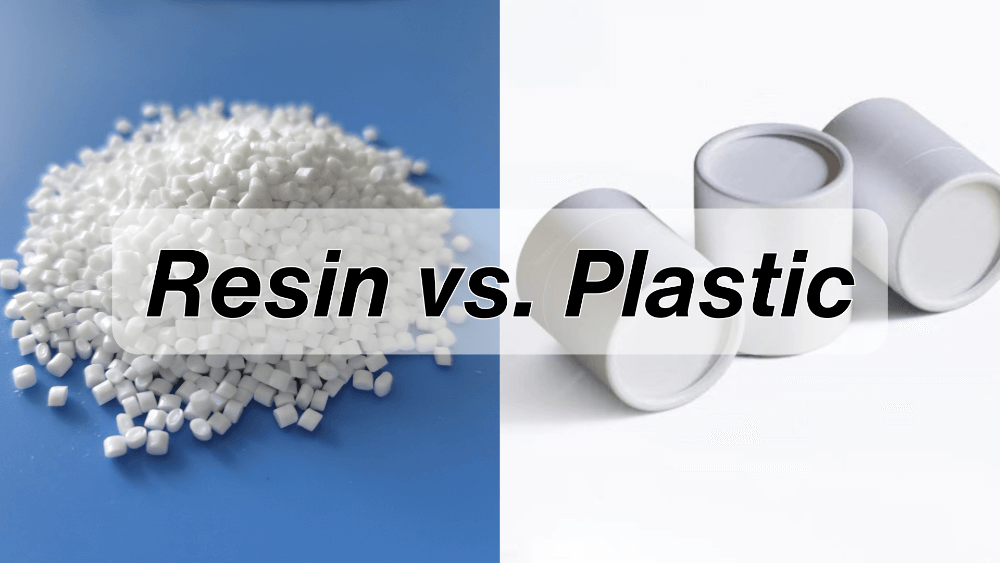
People often confuse resin with plastic. While related, they’re not exactly the same. Plastic is a broad category that includes all synthetic polymers. Resin is a specific type of polymer that offers higher elasticity, toughness, and refinement.
To put it simply, all resins are plastics, but not all plastics are resins.
It is typically more refined, engineered for durability, and used in higher-quality products like watches, electronics, and car parts. In contrast, generic plastics are cheaper and more rigid, often used for disposable or lightweight items.
The Advantages of Resin in Watches
Now that we’ve covered the basics, let’s summarize why resin continues to dominate modern watchmaking:
- Comfort: Resin molds naturally to your wrist, offering a snug but comfortable fit.
- Durability: It resists scratches, cracks, and extreme temperatures.
- Affordability: These straps are usually less expensive than metal or leather options.
- Style Variety: Available in many colors and finishes, from glossy black to bright orange.
- Low Maintenance: Resin requires minimal care—just occasional cleaning with mild soap and water.
These qualities make resin a favorite among both professionals and casual watch owners.
Resin’s Role in Modern Technology
Beyond watches, this material plays a crucial role in many industries. It’s used in electronics, automotive parts, and aerospace engineering because of its ability to combine light weight with strength.
In Casio watches, resin often protects delicate inner components. For example, a resin case absorbs shock, preventing the crystal or movement from damage. Some models even use dual-layer resin for extra reinforcement.
This approach allows Casio to design timepieces that can survive drops, temperature changes, and even magnetic interference.
How to Care for Resin Watch Straps

Resin may be durable, but a little care goes a long way in maintaining its look and flexibility. Here are some quick tips:
- Clean Regularly: Use mild soap and water to remove sweat, dirt, and oil.
- Avoid Harsh Chemicals: Never use alcohol or acetone-based cleaners.
- Store Properly: Keep your watch away from direct sunlight when not in use.
- Replace When Necessary: Over time, it may lose elasticity. Replacing the strap ensures both comfort and safety.
If your current strap shows signs of wear, you can easily find replacements like the Casio Black or Orange Resin straps at Buzzufy. Each one is designed for a perfect fit and long-lasting performance.
Why Casio Continues to Use Resin Today
Casio could have switched to other materials over the decades, but resin remains an essential part of its design philosophy. It offers the perfect blend of toughness, comfort, and affordability.
More importantly, it aligns with Casio’s identity. The brand’s mission has always been to build watches that can go anywhere, withstand anything, and still look great doing it. Resin helps Casio achieve that balance perfectly.
Even as luxury brands experiment with ceramics and titanium, Casio continues to refine its resin technology. The result? Lighter, stronger, and more comfortable watches for every lifestyle.
Resin in Eco-Friendly Innovations
Interestingly, modern resin materials are evolving toward sustainability. Casio has begun developing bioplastic resins derived from renewable sources. These new materials reduce environmental impact while maintaining the same performance standards.
This shift shows how the company is thinking ahead—not only about functionality but also about the planet’s future.
Choosing the Right Strap for Your Watch
When shopping for a replacement watch strap, understanding the material matters. If you value comfort and activity, resin straps like the Casio Black Resin Strap or Casio Orange Resin Strap are perfect.
If you prefer something formal and timeless, the Casio Stainless Steel Bracelet delivers sophistication and shine.
By understanding resin’s advantages, you can make smarter choices for your lifestyle, whether it’s fitness-focused or fashion-forward.
The Future of Resin in Watchmaking
As technology advances, so does material innovation. Casio and other brands are experimenting with reinforced resin composites, mixing carbon fiber or glass particles to increase strength even more. These high-tech resins will likely become standard in premium digital watches.
At the same time, resin’s lightweight and shock-absorbing qualities will continue to make it indispensable in sports and tactical watches. In short, it is not just a material of the past—it’s shaping the future of horology.

Final Thoughts
Resin is far more than a plastic substitute. It’s a scientific innovation that bridges the gap between comfort and durability. From natural origins to advanced polymers, resin has evolved into a cornerstone of modern design.
Casio’s continued use of resin in its watch straps and cases proves its reliability and adaptability. Whether you choose the black, orange, or stainless steel model, Buzzufy provides genuine Casio parts that ensure performance and longevity.
So, the next time you wear your Casio watch, take a moment to appreciate the engineering behind that lightweight strap. That’s not just plastic—it’s resin, a marvel of modern material science.


