
If you repair watches, change batteries, or tinker with movements, good watch back removal tools is essential. The wrong tool can scratch the case, damage threads, or break seals. Meanwhile, the right tool makes the job fast, safe, and satisfying.
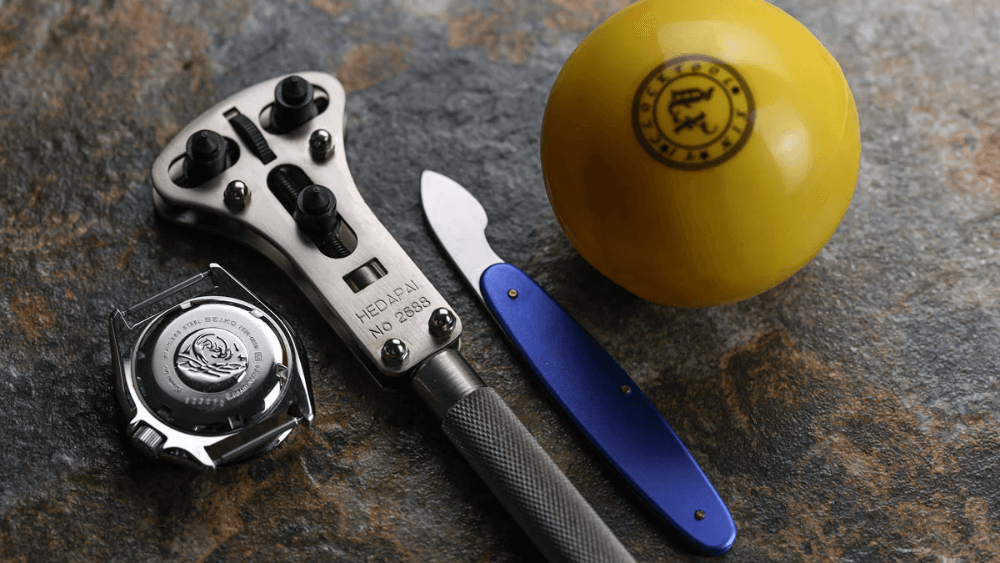
In this article, I’ll walk you through what to look for, key features to know, and how to use different types. Then, I’ll highlight three excellent tools you can buy now: a case knife, a die set, and a compact wrench.
Why You Need a Quality Removal Tool
First, a proper tool gives you control. You avoid slips, scratches, and damage. Second, it saves time. You can open and close backs in seconds rather than struggling for minutes. Third, it protects your investment. A scratched or bent case back lowers the value of your watch.
If you use poor watch back removal tools or brute force, you risk harming gaskets that ensure water resistance. Therefore, investing in the right tool pays off.
Types of Watch Back Removal Tools
Let’s break down the common types you’ll need:
- Case knife / case back opener knife – for snap-off (press) backs.
- Die sets + matching tool – for screw-off backs with notches or grooves.
- Adjustable wrenches / compact opening tools – for screw backs with various notch sizes.
Each type suits different case back styles. Often, you’ll use more than one in your toolkit.
What to Look for in a Tool
Here are features you must check when looking for watch back removal tools:
- Material & hardness – Hardened steel tips resist wear.
- Gripping / alignment – The tool should stay firmly in place without slipping.
- Adjustability – Useful when working with multiple watch sizes.
- Precision machining – Smooth edges prevent damage.
- Ergonomics – Comfortable grip helps when you apply torque slowly.
Top Picks: Tools You Can Use
Below are three standout tools you should consider. I include product links so you can see detailed specs and buying options.
Case Knife: Bergeon 7403 Victorinox Watch Case Back Opener Knife
This tool combines a case opener blade and a regular knife blade in a pocket-knife style design. It slides open and locks safely. It works well for most snap-off (press) case backs.
Because it’s Swiss made, it offers precision and durability. The blade width gives you good leverage on tough case backs. Owners often use it first in their opening process.
Of course, you must use it with care. Insert the blade gently at the case back lip, then twist just a hair. Too much force may damage the case or bezel.
In forums, users mention its “officers model” is slightly wider, giving more power when opening stiff backs.
Die Set: Horotec MSA‑07.311 Set of 8 Dies for Rolex Watch Case Back Remover
If you have screw-off case backs with notches, this die set is perfect. The set includes 8 dies that fit various notch layouts. You use them with a compatible case wrench, press, or opener tool.
They are especially useful for precision work on Rolex and other premium brands. The dies fit standard openers like Bergeon or Horotec tools.
Using the correct die helps avoid slippage and protects the case surface. Always align the dies carefully before turning.
Compact Wrench: Bergeon 7662 Compact Watch Case Opening Tool
This is a small, pocket-sized wrench that adjusts to fit case backs from 16 mm to 52 mm. It uses adjustable pins that engage with the back’s notches.
Because it’s compact, it fits easily in your toolkit. You don’t need a large bench setup to use it. For many screw-on backs, this tool is often the best first attempt.
It uses hardened steel pins and a thumb screw to secure grip. The design keeps your hand steady and reduces slippage.
Comparison: Which Tool for Which Case Back
| Case Back Type | Best Tool Type | Why |
|---|---|---|
| Snap / Press | Case Knife (e.g. Bergeon 7403) | Quickly pries off backs |
| Screw-off with standard notches | Die Set + compatible wrench | Matches notch pattern, safe torque |
| Screw-off variable sizes | Compact Wrench (e.g. Bergeon 7662) | Adjustable pins, portable |
You’ll often use a combination. For example, test with the compact wrench first. If it fails, switch to die set + matching wrench. If all else fails, check if it’s a snap back and use your case knife.
Tips & Best Practices
Here are tips to keep your watch safe and make the job easier.
- Inspect the back first. Use a loupe or magnifier to see notch style or lip cut.
- Use masking tape. Cover case edges to protect finishes.
- Align perfectly. Misaligned pins or blades will slip.
- Apply slow torque. Don’t force. Steady pressure works better.
- Clean threads and surfaces. Use a soft brush to remove grit before resealing.
- Replace gaskets if needed. Especially for water resistance.
- Use good light. Shadows hide tiny misalignments.
- Store loose parts carefully. You don’t want to lose die pins or screws.
Using the Case Knife
- Insert the blade tip into the small opening or lip.
- Gently twist or lift—just enough to crack the seal.
- Once open, slide the tool around the perimeter to lift evenly.
Be cautious: always push away from the movement, not toward it.
Using Die Sets
- Match the die to the notch layout.
- Fit the die into your wrench or opener tool.
- Engage all dies evenly before applying torque.
- Turn slowly and steadily.
If it resists, double-check alignment rather than forcing.
Using the Compact Wrench
- Adjust pins to match notch spacing.
- Tighten thumb screw to secure the grip.
- Apply torque gradually.
- Reverse carefully to close the back.
The compact wrench works well for most modern screw backs without extra dies.
Maintenance of Your Tools
Your tools last longer when you care for them. Clean them after use. Remove grit, metal shavings, and particles. Light oil keeps pivot and screws operating smooth. Store dies in a case so they don’t mix. Check for wear periodically and replace tips when they get rounded.
When to Leave It to Professionals
Some watches—luxury, antique, or water-resistant—require expert care. If the case back refuses to open, or if you touch the movement accidentally, stop. A watchmaker has the experience and tools (like pressure testers) to finish safely.
Be especially careful with dive watches. They often require pressure sealing after opening, otherwise you risk compromising water resistance.
Final Thoughts
A good watch back removal tool makes the difference between a clean repair and a damaged watch. Whether you open snap backs, screw backs, or variable case sizes, the Bergeon 7403, Horotec MSA-07.311 die set, and Bergeon 7662 cover nearly all your needs.
Pair these with patience, steady hands, and good lighting, and you’ll rarely need professional help. With care, your tools—and watches—will serve you for years.


