
Gold watch with tourbillon, by Fordsmand
Gold watch with tourbillon, by Fordsmand; London, England, c. 1900; dia. 2” (5.08 cm.). A watch tends to change its rate if its position is… Read More »Gold watch with tourbillon, by Fordsmand
Discover a world of horological knowledge through BUZZUFY’s educational resources. From watch essentials to intricate tool usage and parts insights.
Gold watch with tourbillon, by Fordsmand; London, England, c. 1900; dia. 2” (5.08 cm.). A watch tends to change its rate if its position is… Read More »Gold watch with tourbillon, by Fordsmand
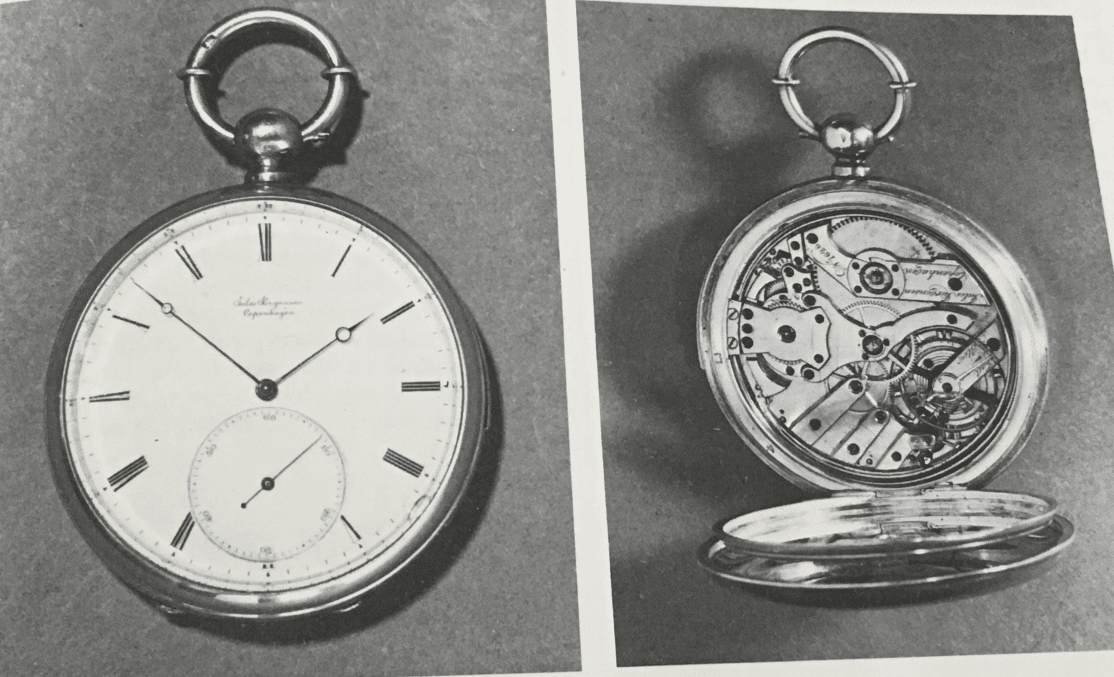
Silver watch marked Copenhagen, by Jules Jurgensen; Denmark, c. 1860; dia. 2” (5.08 cm.). Urban Jurgensen (1776–1830) was the most famous of the watchmaking family.… Read More »Silver watch marked Copenhagen, by Jules Jurgensen
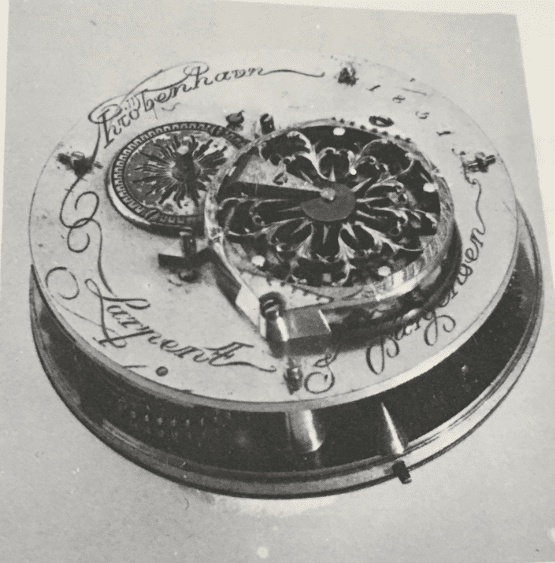
Watch movement by Larpent and Jurgensen; early 19th century; dia. 1½” (3.81 cm.). This example is more typical of French or Swiss work. A fusee… Read More »Watch movement by Larpent and Jurgensen
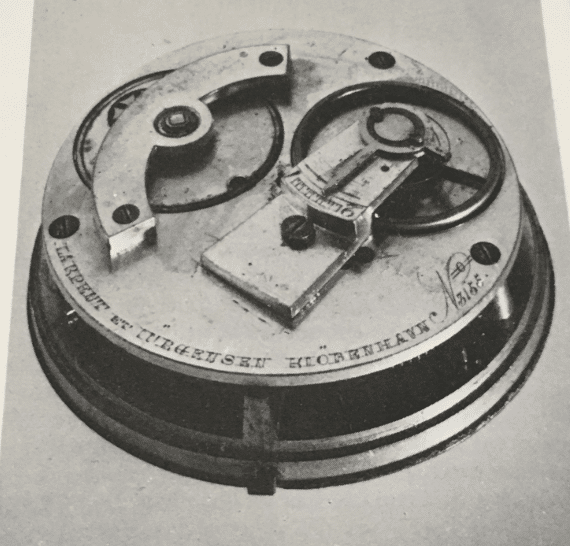
Watch movement by Larpent and Jurgensen; Copenhagen, Denmark, early 19th century; dia. 1½” (3.81 cm.). The firm was founded in Roskilde in 1780, continuing into… Read More »Watch movement by Larpent and Jurgensen
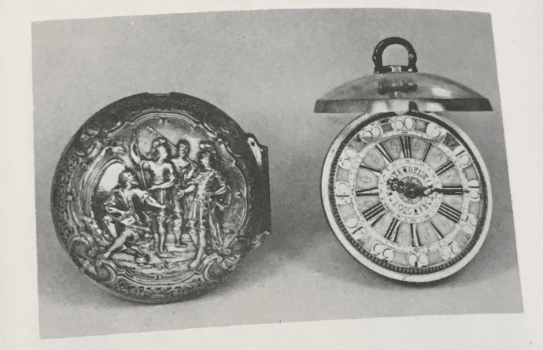
Carriage watch in brass; German, c. 1700; dia. 3” (7.62 cm.). This example is decorated with repousse (i.e. a design beaten out from the back… Read More »Carriage watch in brass
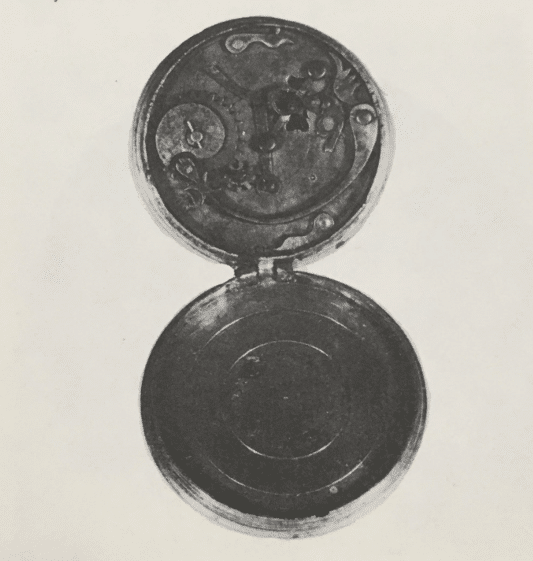
Watch movement of iron with gilt metal case; Germany, c. 1550; dia. 2” (5.08 cm.). The earliest watch movements were iron and somewhat roughly finished;… Read More »Watch movement of iron with gilt metal case
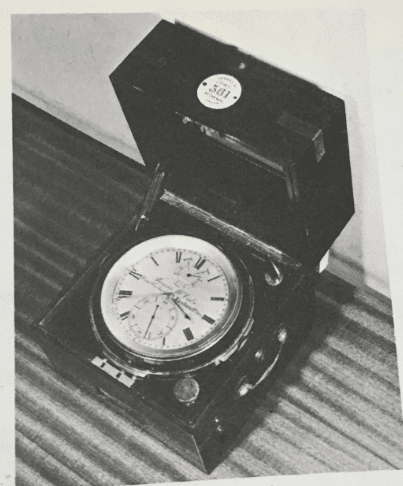
Marine chronometer, with brass and mahogany case, by Jas McCabe; London, England, mid-19th century; dia. 4” (10.7 cm.). This typical marine chronometer is mounted in… Read More »Marine chronometer, with brass and mahogany case, by Jas McCabe
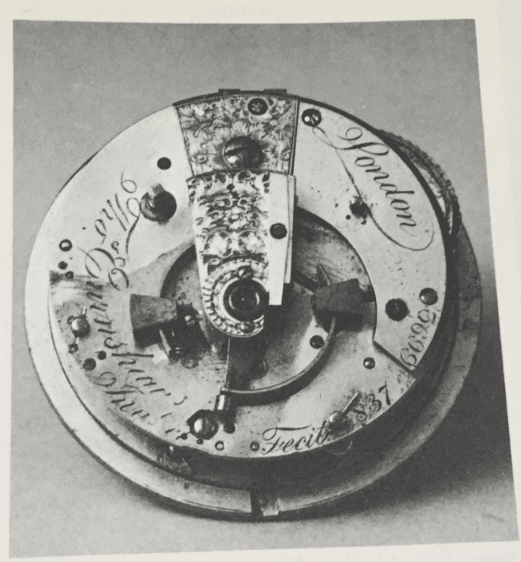
Pocket chronometer movement, silver case, hall-marked 1825, by Earnshaw; London, England, 1825; dia. 2” (5.08cm.). This is another example by Earnshaw, made near the end… Read More »Pocket chronometer movement, silver case, hall-marked 1825, by Earnshaw
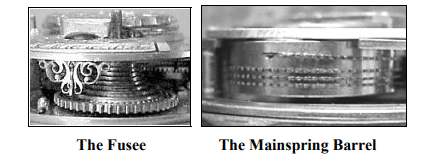
Early clocks were powered by heavy weights attached to long chains. Every day the weight was returned to the top of the clock, and throughout… Read More »What is a “Fusee”?
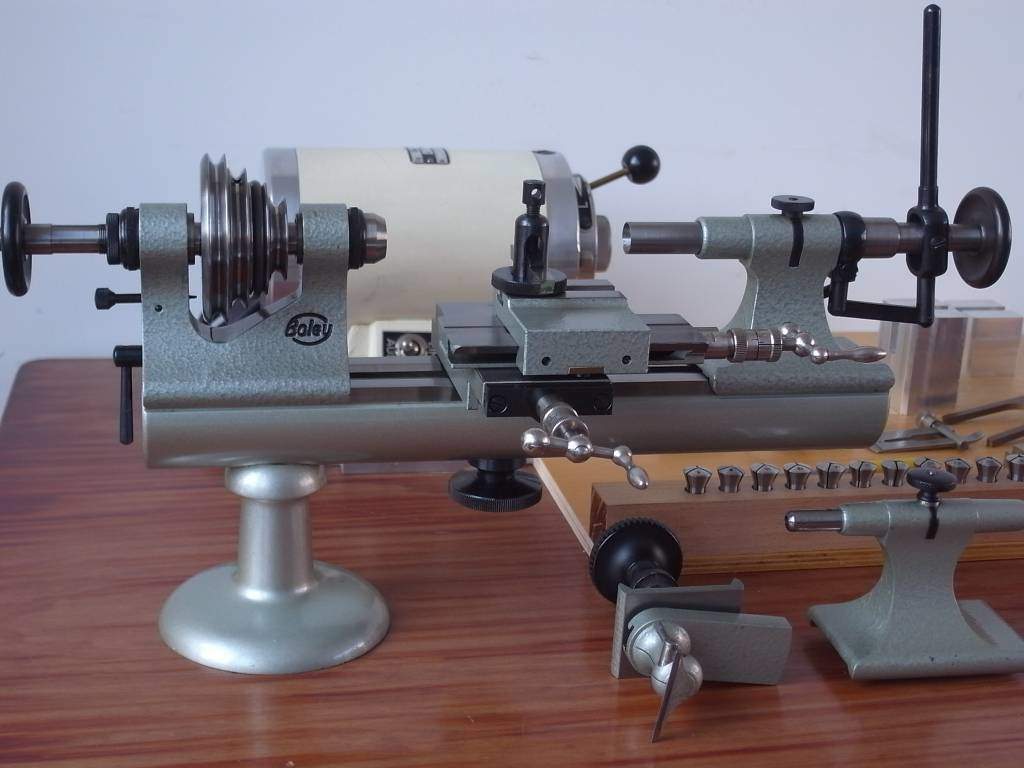
The lathe and its use – part 1 It is now time to give attention to turning in the lathe and lathe work generally, but… Read More »Student watchmaker – The lathe and its use part 1
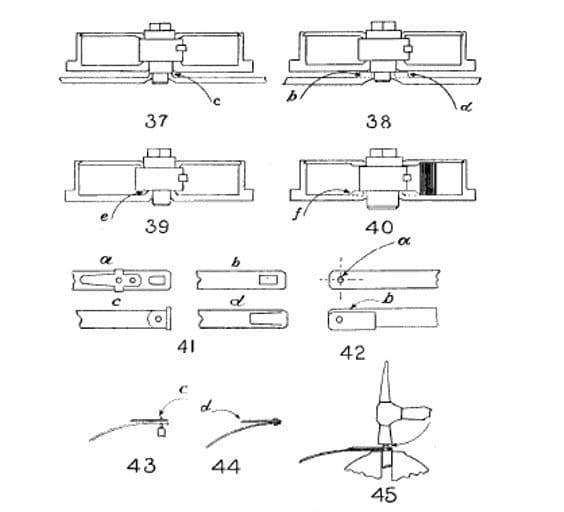
From what does a watch get its power? From the mainspring. Like any other power-producing mechanism, the mainspring and the barrel in which it is… Read More »Student watchmaker – The mainspring
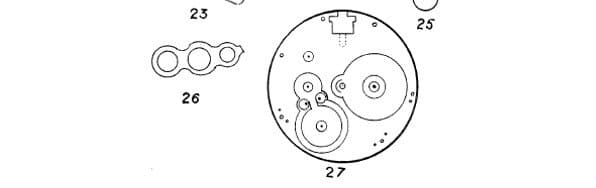
1. How is a watch movement removed from the case? To remove the watch movement from the case of a pocket watch lift the frame… Read More »Student watchmaker – Disassembling a watch