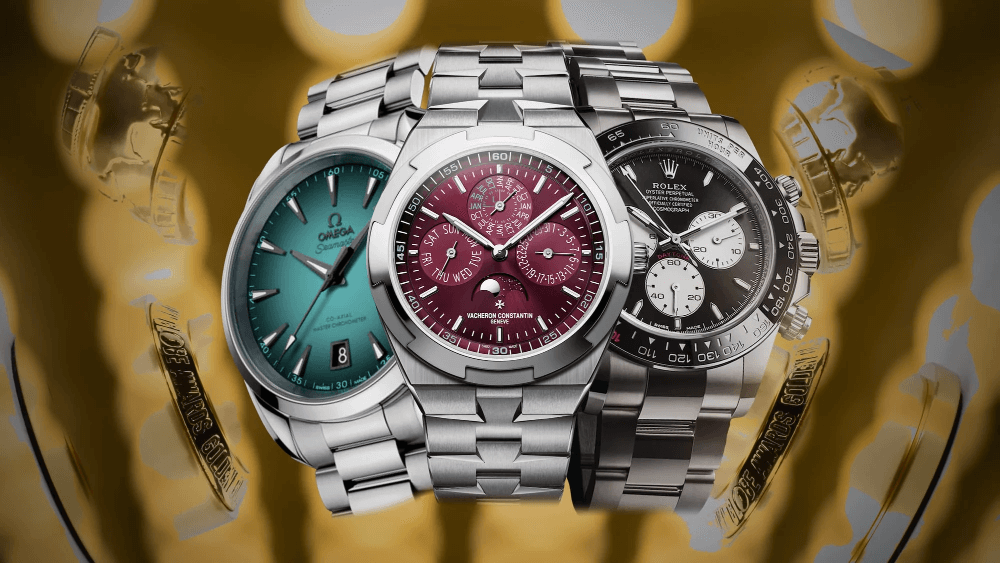
At first glance, a watch appears to be a sum of parts. There is a movement, a case, a dial, and a bracelet. Therefore, many people assume that price should reflect only materials, labor, and engineering. However, that assumption breaks down quickly in the real world of watchmaking. Brand equity always matters over price.
Two watches can share similar specifications yet feel worlds apart in value. One commands instant respect. The other invites explanation. The difference rarely comes from the invoice. Instead, it comes from the name on the dial.
Brand equity, not raw cost, defines how a watch is perceived, trusted, and remembered. While price measures what you paid, brand equity measures what the world believes that the object represents. Consequently, understanding brand equity explains far more about watch value than comparing retail figures ever could.
What Brand Equity Really Means In Watchmaking
Brand equity refers to the accumulated trust, meaning, and expectations associated with a name. It builds slowly over time, through consistency and cultural relevance. Importantly, it cannot be purchased overnight.
In watchmaking, brand equity reflects decades—or centuries—of decisions. Each release, each design choice, and each moment in public history add to or subtract from that reservoir of trust. As a result, a brand’s equity becomes an invisible force that shapes how buyers feel long before they evaluate price.
Because watches function as emotional objects as much as tools, brand equity carries disproportionate weight. People do not simply buy timekeeping. Instead, they purchase reassurance, identity, and narrative. The dial name anchors all three.
Why Price Alone Fails To Explain Value
Price tells you what something costs. However, it does not tell you what something means.
In theory, a technically impressive watch from an unknown brand should compete directly with a famous name at a higher price. In practice, it rarely does. The market does not reward raw specifications evenly. Instead, it rewards familiarity and belief.
For example, a $10,000 watch from a recognized brand often feels “safer” than a $6,000 watch from a newcomer, even if the latter offers superior finishing or innovation. Because buyers fear regret more than they crave optimization, they gravitate toward equity over efficiency.
Therefore, price becomes secondary to confidence. The name on the dial reduces uncertainty, which many buyers value more than marginal technical gains.
The Dial As A Trust Signal
A watch dial functions like a signature. It tells observers who stands behind the object.
When a brand has strong equity, its name reassures buyers before they even examine the details. They trust quality control. They trust after-sales support. They trust long-term relevance. As a result, the watch benefits from borrowed confidence.
Conversely, a lesser-known name must earn trust piece by piece. Buyers scrutinize movements, materials, and value propositions more aggressively. Even then, skepticism often remains.
This asymmetry explains why brand equity multiplies perceived value. A trusted name simplifies decision-making. Therefore, it commands a premium.
History Compounds Equity Over Time
Brand equity compounds like interest. Each generation that recognizes a name adds weight to it.
In watchmaking, history matters because mechanical watches themselves resist obsolescence. A well-made watch from fifty years ago still works today. Therefore, brands that survive long periods gain credibility through endurance alone.
Importantly, history does not guarantee equity. A brand must also remain consistent. Frequent reinvention or dilution erodes trust. Consequently, brands that evolve slowly often preserve equity better than those that chase trends.
Because of this compounding effect, older brands often enjoy disproportionate influence relative to their production volume. Their names carry memories, stories, and inherited respect.
Equity Creates Price Elasticity
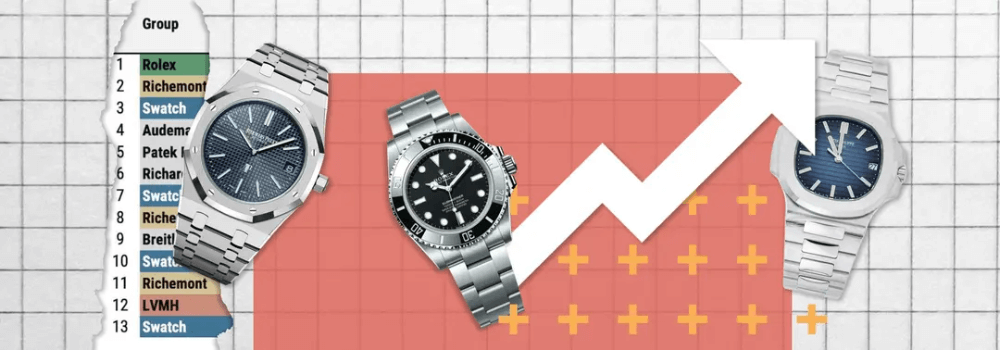
Strong brand equity allows brands to raise prices without proportional resistance. Buyers rationalize increases because they attribute value to the name, not just the object.
This elasticity explains why certain brands can increase prices regularly while demand remains strong. Buyers internalize the idea that ownership transcends cost. As a result, the invoice becomes less relevant.
By contrast, brands with weak equity face immediate backlash when prices rise. Buyers question the justification. Sales slow. Trust erodes.
Therefore, equity does not just influence price perception. It actively shapes pricing power.
The Resale Market Reveals True Equity
Nothing exposes brand equity more clearly than the secondary market.
Watches with strong brand equity often retain value or even appreciate, regardless of original retail price. Buyers trust future demand. Therefore, liquidity remains high.
Meanwhile, technically impressive watches from weaker brands often suffer steep depreciation. Even if the original price felt fair, resale reveals limited belief in long-term relevance.
This dynamic reinforces buyer behavior. Knowing a watch will hold value reduces emotional risk. Consequently, buyers pay premiums willingly.
In this sense, resale performance reflects collective belief. It shows which names the market trusts to endure.
Brand Equity And Social Meaning
Watches operate as social objects. People notice them. They interpret them.
A familiar brand name communicates instantly. It signals taste, success, or belonging without explanation. Therefore, the wearer benefits from shared understanding.
An unfamiliar name, however, requires context. The wearer must explain. While some enjoy that conversation, many prefer clarity.
Because of this social function, brand equity amplifies usefulness beyond mechanics. The watch becomes a language rather than a device.
Why New Brands Struggle Despite Innovation
Many new brands deliver remarkable innovation. They experiment with materials, movements, and design. Yet most struggle to command lasting premiums.
The reason lies in equity inertia. Trust takes time. Buyers hesitate to invest emotionally in unproven narratives.
Even when early adopters support a brand, broader acceptance lags. Without decades of continuity, equity remains fragile. As a result, price ceilings persist.
This does not mean innovation lacks value. However, without equity, innovation alone rarely sustains pricing power.
Equity Versus Hype
Hype creates temporary attention. Brand equity creates a durable belief.
Hyped watches often spike in demand and price, then fade as novelty wears off. Equity-driven watches maintain steady interest even during quiet periods.
This distinction matters for buyers who think long-term. While hype rewards timing, equity rewards patience.
Therefore, experienced collectors often prioritize names with proven staying power over momentary excitement.
Why The Invoice Number Fades Over Time
After purchase, the price recedes into memory. However, brand perception remains.
Years later, owners rarely think about what they paid. Instead, they think about how the watch makes them feel and how others perceive it. In those moments, the dial name dominates.
A watch with strong equity remains relevant. It integrates into identity. Meanwhile, a watch without equity may feel dated or disconnected, regardless of its initial value.
Thus, long-term satisfaction correlates more with brand equity than with price efficiency.
Equity And Emotional Insurance
Brand equity functions as emotional insurance. It protects buyers from doubt.
When trends shift or tastes evolve, owners of high-equity brands feel secure. They trust that their choice will remain respected.
By contrast, owners of lesser-known brands may question their decisions as markets change. Even if the watch remains excellent, confidence may waver.
Therefore, equity reduces psychological friction over time.
Why Collectors Eventually Prioritize Names
Many collectors begin by chasing specifications. They compare movements, complications, and materials obsessively. Over time, however, priorities shift.
As collections grow, collectors value coherence, legacy, and meaning more than optimization. They seek watches that represent milestones rather than experiments.
At that stage, brand equity matters profoundly. The name on the dial becomes a curator’s decision, not just a consumer’s one.
Equity Does Not Mean Uniformity
Valuing brand equity does not mean rejecting diversity. Instead, it means understanding why certain names carry weight.
Some collectors intentionally choose lesser-known brands for intellectual reasons. However, they do so knowingly, not naively. They accept lower liquidity and recognition in exchange for personal satisfaction.
The key difference lies in awareness. Equity informs choice, even when one chooses against it.
Final Thoughts
In watchmaking, price measures cost. Brand equity measures belief.
The number on the invoice fades quickly. The name on the dial endures. It carries trust, history, and social meaning that no specification sheet can replace.
While innovation and value matter, they operate within the gravity of equity. Brands that earn trust over decades shape markets more powerfully than those that offer more for less.
Ultimately, the most valuable watches are not the ones that optimize price. They are the ones that carry meaning long after the receipt disappears.