
Luxury watches occupy a unique cultural space. On one level, they cost serious money. Therefore, many people assume they signal wealth. On another level, countless wealthy individuals wear modest watches or none at all. Meanwhile, many enthusiasts save for years to buy a single meaningful piece. So the signal becomes less obvious than it seems.
The reality sits between extremes. Luxury watches can signal wealth. However, they can also signal taste, knowledge, identity, and values. Moreover, the same watch can communicate entirely different messages depending on context, audience, and intent.
This article explores how luxury watch signaling works today. It explains why the meaning shifts, how quiet luxury changed the landscape, and what watches really say in modern social settings.
Why watches became status symbols
Watches began as tools. Therefore, early value came from function rather than symbolism. Over time, mechanical watchmaking turned into a craft tradition. Consequently, scarcity, skill, and branding took center stage.
This shift happened naturally. A watch sits on the wrist in plain sight. Moreover, it travels with you everywhere. As a result, it became a subtle but persistent form of self-presentation.
Luxury brands reinforced this role. Through storytelling, they linked watches to success, achievement, exploration, and legacy. Therefore, ownership started to imply more than timekeeping. It suggested arrival, ambition, or refinement.
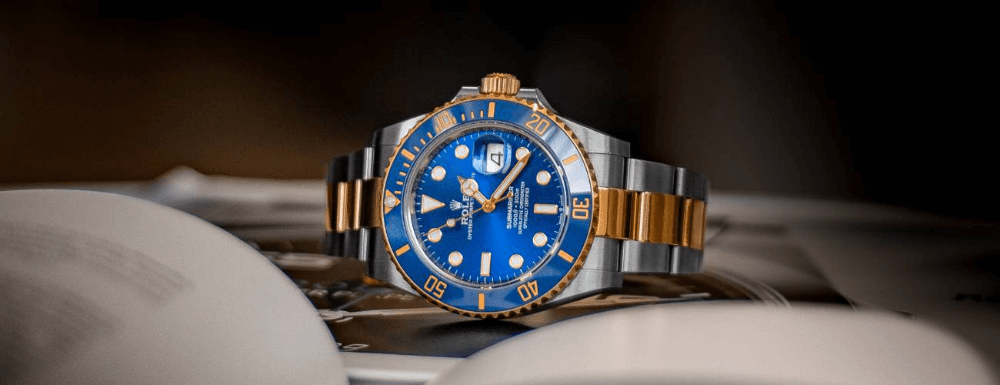
Rolex offers a clear example. Its long-term branding associated watches with professional success and social distinction. Consequently, many people still “read” a Rolex as a marker of status, whether or not that was the wearer’s intention.
Wealth signaling and its limits
Luxury watches can signal wealth because they are expensive. Therefore, they function as visible indicators of financial capacity.
Economists describe this behavior as conspicuous consumption. In this framework, people sometimes buy costly goods partly to display status. Luxury watches often fit this pattern, especially when the brand is widely recognized.
The wealth signal becomes strongest under certain conditions. First, the brand must be legible to the public. Second, the design must be visually distinctive. Third, access must feel restricted, either through price or scarcity. When these factors align, ownership implies money and access.
However, wealth signaling has clear limits. Many people cannot identify watches at all. Moreover, some cannot distinguish a luxury watch from a fashion piece. Therefore, the signal often reaches only a small audience.
In practice, a luxury watch rarely communicates wealth to everyone. Instead, it communicates selectively.
Taste signaling and insider language
Luxury watches also signal taste. However, taste operates differently from wealth.
Taste suggests discernment rather than spending power. Therefore, it often relies on subtle cues. These cues only register with people who share the same cultural knowledge.
In watch culture, taste shows up through choices that go unnoticed by most. Case size, dial layout, movement architecture, or historical references all matter. Consequently, the watch becomes a form of insider language.
This creates a split signal. A loud, iconic model may communicate success to the general public. Meanwhile, a quieter or less hyped piece may communicate knowledge to enthusiasts. As a result, luxury watches can speak in two directions at once.
Modern luxury research supports this view. Studies show that luxury consumption increasingly reflects identity, personal meaning, and cultural alignment rather than pure status display. Therefore, taste plays an increasingly important role in how luxury functions socially.
Quiet luxury reshapes the conversation
In recent years, quiet luxury gained mainstream attention. Therefore, visible logos and overt flash lost some appeal.
Watches fit this shift perfectly. Many high-end watches avoid large branding. Moreover, their cost remains invisible to anyone without knowledge. As a result, the wearer controls when and how the signal appears.
Quiet luxury does not remove status. Instead, it reframes it. Rather than saying “I can afford this,” the signal becomes “I do not need to explain this.” Consequently, restraint itself turns into a form of status.
This evolution blurs the divide between wealth and taste. The watch still signals resources, but it does so through understatement. Therefore, the message becomes more about confidence than display.
Context determines meaning
A luxury watch never speaks alone. Therefore, context often matters more than the object itself.
In professional settings, a luxury watch can read as credibility or success. However, in other environments, it may feel inappropriate or excessive. Meanwhile, in creative spaces, a vintage or understated piece can signal individuality.
Cultural context matters as well. In some regions, watches rank high as status objects. In others, cars, fashion, or property dominate. Consequently, the same watch can feel loud in one place and invisible in another.
Timing also plays a role. During economic uncertainty, overt luxury can feel risky. Therefore, consumer behavior often shifts toward subtlety. Industry research consistently shows that economic mood influences how luxury is expressed.
Scarcity, access, and modern status
Today, luxury watches also signal access. Therefore, scarcity changed how people interpret ownership.
When certain models remain hard to buy at retail, the watch suggests more than money. It suggests timing, networks, or persistence. Consequently, ownership can imply insider status.
However, this logic complicates taste signaling. Buying purely for resale value sends a different message than buying for design or history. One signals strategy. The other signals conviction.
As a result, the same watch can mean different things depending on motivation. Observers may read that difference, especially within enthusiast circles.
Craft and heritage as non-financial signals
Many people buy luxury watches for reasons unrelated to wealth. Therefore, craft and heritage matter deeply.
Mechanical watches make no practical sense today. Phones keep better time. However, mechanical movements represent engineering skill, tradition, and patience. Consequently, the watch signals appreciation for process rather than efficiency.
Heritage works the same way. Design continuity, historical references, and brand lineage all add meaning. Therefore, the watch becomes a personal artifact rather than a status badge.
This explains the appeal of vintage watches. Patina, wear, and imperfections signal authenticity. Moreover, they suggest time invested in learning and sourcing. As a result, vintage watches often communicate taste more than wealth.
What people actually notice
Here is an important reality. Most people do not notice watches. Therefore, the social impact often gets overstated.
Research on status symbols suggests people overestimate how much others observe and judge their luxury goods. In practice, only a small group pays attention. Usually, that group consists of enthusiasts.
So, if the goal is social validation, the return may disappoint. However, if the goal is personal satisfaction, the watch delivers value every day.
So what do luxury watches really signal?
They signal different things to different people. However, five factors shape the message.
Brand recognition matters. Design loudness matters. Context matters. The wearer’s behavior matters. The observer’s knowledge matters.
If the watch is bold and recognizable, it often reads as a sign of wealth. If it is subtle and informed, it often reads as taste. Therefore, the signal depends less on the object and more on the situation.
The better question becomes personal. What do you want your watch to express, and to whom?
Choosing a watch that reflects you
Intent matters more than optics.
If you value craft, focus on finishing, movements, and design coherence. If you value versatility, prioritize comfort and proportion. Moreover, if you value taste signaling, avoid buying only what trends dictate.
If wealth signaling plays a role, acknowledge it honestly. That motivation is common. However, use it carefully, since it can clash with certain environments.
Most importantly, align the watch with your life. When the choice feels natural, the signal feels authentic.
Final thoughts
Luxury watches live at the intersection of money, culture, and identity. Therefore, they will always invite interpretation.
Yes, they can signal wealth. However, they can also signal taste, knowledge, restraint, and personal history. Moreover, the same watch can say different things on different wrists.
In the end, the strongest signal comes from coherence. When the watch fits who you are, it stops trying to prove anything. Consequently, it becomes less about status and more about expression.


