Watch collecting rarely starts at the top. Instead, it unfolds in stages. Therefore, each watch brand you encounter tends to represent a mindset rather than just a price point. A Tissot does not compete with a Greubel Forsey. However, both can feel equally meaningful at the right moment.
This journey matters because watches are not only objects. They reflect learning, curiosity, patience, and changing values. Moreover, collectors often move forward not because they want “more expensive,” but because they want “more meaningful.”
This article maps a common collecting path, from accessible Swiss brands to the highest tier of independent horology. Along the way, it explains what each step usually represents and why collectors feel drawn to it.
Why Watch Collecting Happens In Stages
Most collectors do not wake up wanting a six-figure watch. Instead, interest grows gradually. Therefore, each watch brand stage often aligns with a deeper understanding of mechanics, design, and history.
Early on, recognition matters. Later, nuance issues more. Consequently, the motivation shifts from ownership to appreciation.
Another factor plays a role. As collectors learn, their reference point changes. What once felt “luxury” becomes normal. Therefore, curiosity pushes them forward.
This does not mean everyone should climb the ladder. However, understanding the ladder explains why collecting paths look similar across cultures.
Tissot: The Entry Into Swiss Watchmaking
For many collectors, Tissot represents the first serious watch brand. Therefore, it often marks the transition from fashion watches to horology.
Tissot offers Swiss manufacturing, mechanical movements, and a strong brand heritage at an accessible level. As a result, buyers feel they are entering a legitimate market.
At this stage, practicality dominates. You want reliability. You want versatility. Moreover, you want reassurance that you made a “smart” choice.
Tissot also introduces key concepts. Automatic movements. Sapphire crystals. Power reserve. Therefore, it becomes an educational starting point.
Emotionally, this step represents curiosity. You are no longer buying a watch to tell time. Instead, you are buying into an idea.
Hamilton And Longines: Discovering Heritage And Design
After Tissot, many collectors look sideways rather than up. Therefore, brands like Hamilton and Longines often appear next.
Hamilton introduces storytelling through military and aviation history. Longines adds classical design and archival depth. Consequently, watches begin to feel connected to narratives.
At this stage, collectors start caring about proportions, dial balance, and case finishing. Moreover, they begin to notice how a watch brand feels rather than just how it performs.
This step represents growing taste. You still want value, but you now wish to character. Therefore, the watch becomes an extension of personal style.
You are learning to choose, not just to buy.
Oris And Tudor: Moving Toward Purpose And Identity
The next step often involves brands like Oris and Tudor. Therefore, this stage marks a shift from general interest to focused identity.
Oris appeals through independence and mechanical purity. Tudor appeals through robustness and modern tool-watch credibility. Consequently, function and philosophy start to matter.
At this level, collectors care about movements, materials, and brand direction. Moreover, they start comparing watches and a watch brand not by price, but by intent.
This stage represents confidence. You are no longer asking, “Is this good?” Instead, you ask, “Is this right for me?”
You may also begin resisting hype. Therefore, personal alignment becomes more important than public recognition.
Omega: Entering The Upper Mainstream
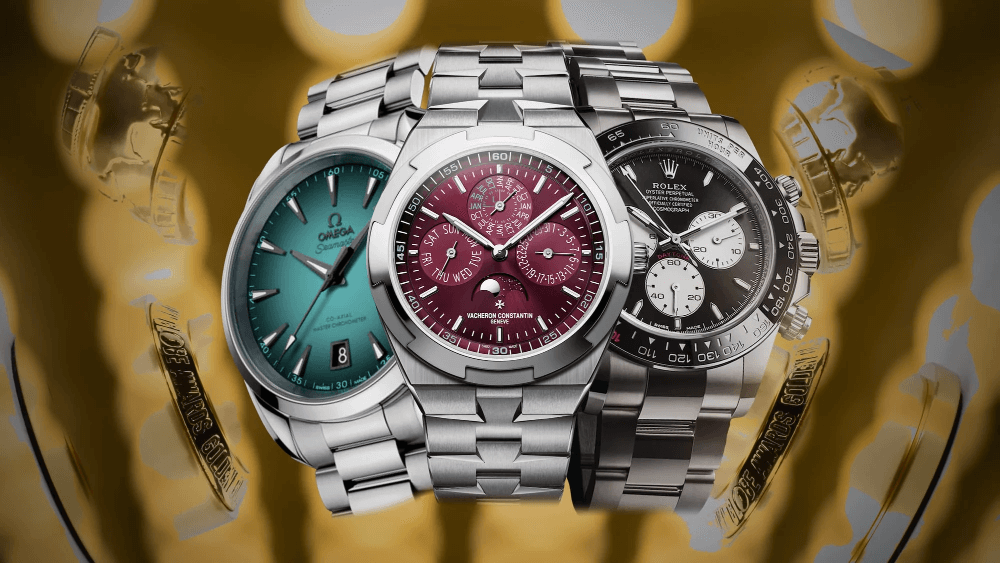
Omega often represents a milestone. Therefore, it signals entry into the widely acknowledged luxury market.
The brand combines innovation, history, and recognition. Co-Axial escapements, METAS certification, and space heritage all contribute to its appeal. Consequently, Omega feels substantial without feeling inaccessible.
At this stage, collectors expect technical legitimacy. Accuracy, durability, and finishing all matter. Moreover, the watch often carries emotional weight, such as a celebration or achievement.
This step represents validation. You feel confident that you understand watches well enough to choose one that is respected globally.
However, Omega also creates a fork in the road. Some collectors stop here, satisfied. Others start asking deeper questions.
Rolex: Understanding Symbolism And Restraint
Rolex occupies a unique position. Therefore, it often appears not as a linear upgrade, but as a conceptual test.
Collectors discover that Rolex offers refinement, not experimentation. The designs evolve slowly. The movements emphasize reliability over spectacle. Consequently, the appeal becomes clearer with time.
At this stage, collectors understand why Rolex works. The watches disappear from the wrist. They perform consistently. Moreover, they carry cultural weight.
This step represents maturity. You realize that subtle improvement can matter more than visible complexity.
However, Rolex also highlights a tension. Recognition increases, while individuality can feel constrained. Therefore, some collectors move beyond it.
Grand Seiko: Appreciating Finishing And Philosophy
Grand Seiko often comes into play when collectors slow down. Therefore, it represents a shift from branding to execution.
Collectors notice dial textures, case polishing, and movement finishing. Moreover, they learn to value craftsmanship without loud signaling.
Grand Seiko challenges assumptions. Quartz can be extraordinary. Zaratsu polishing can rival Swiss finishing. Consequently, preconceived hierarchies begin to fall apart.
This stage represents humility and openness. You learn that excellence does not require Western validation.
Taste deepens here. You stop chasing names and start chasing quality.
High-End Independent Brands: Crossing Into Enthusiast Territory
At some point, collectors encounter independent watchmaking. Therefore, brands like F.P. Journe, A. Lange & Söhne, and Vacheron Constantin enter the conversation.
This step requires patience. Distribution becomes limited. Research deepens. Moreover, purchases feel intentional rather than impulsive.
Collectors now care about movement architecture, finishing styles, and brand philosophy. As a result, watches feel personal again.
This stage represents commitment. You are no longer collecting watches. You are collecting ideas.
It also represents responsibility. As prices rise, choices matter more.
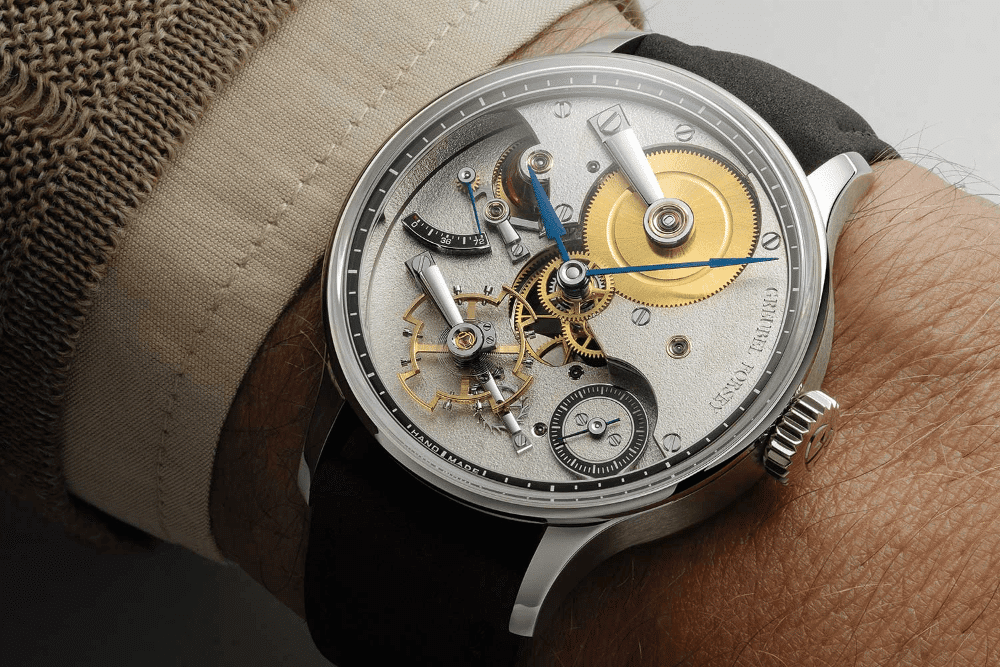
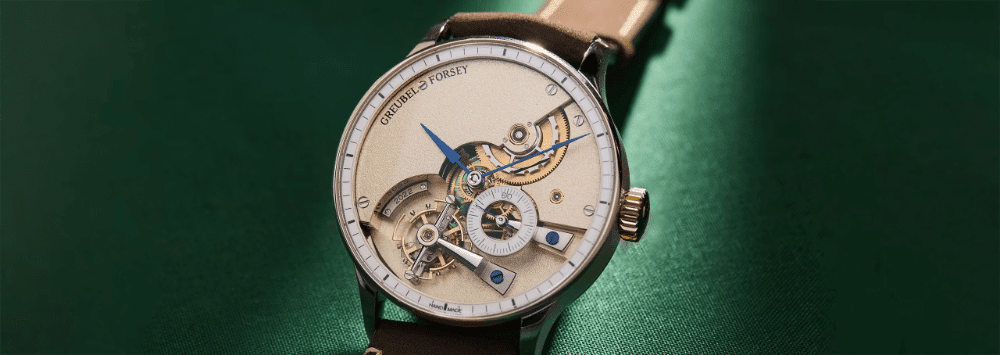
Greubel Forsey: The Peak Of Horological Obsession
Greubel Forsey does not represent the “end” of collecting. However, it often means the extreme edge.
The brand focuses on uncompromising execution. Hand-finishing reaches extraordinary levels. Technical solutions push beyond practicality. Consequently, the watches exist as horological statements.
At this level, timekeeping becomes secondary. The watch becomes a sculpture, a manifesto, and a philosophical object.
This stage represents obsession, not status. Few people recognize a Greubel Forsey. Therefore, the signal turns inward.
Collectors who reach this point seek mastery, not approval. They value process over outcome.
Why Not Everyone Should Climb Every Step
Not every collector wants or needs to progress upward. Therefore, stopping points matter.
Some collectors find lifelong satisfaction at Tissot or Longines. Others feel complete at Omega or Rolex. Consequently, fulfillment depends on alignment, not rank.
Collecting should add joy, not pressure. Therefore, moving “up” only makes sense when curiosity pulls you there.
There is no final destination. Taste evolves—life changes. So paths diverge.
What This Journey Really Represents
This progression mirrors personal growth. Early stages focus on learning. The middle stages focus on identity. Later stages concentrate on meaning.
Money enables movement, but it does not define it. Knowledge, patience, and intention define it more.
The most experienced collectors often circle back. They wear simple watches again. Therefore, the journey does not end where it started, but it usually reconnects.
Final Thoughts
From Tissot to Greubel Forsey, watch collecting tells a human story. It reflects curiosity, discipline, restraint, and passion.
Luxury increases, but so does understanding. Complexity rises, but clarity often follows.
In the end, the best collection is not the most expensive one. It is the one that reflects who you are, where you have been, and why you care.
That is what each step truly represents.