
Movement of clock-watch in brass
Left: Movement of clock-watch in brass, by Thomas Chamberlain of Chelmsford; England, c. 1630-40; dia. 2” (5.08 cm.). Right: Dial side of case of the… Read More »Movement of clock-watch in brass
Left: Movement of clock-watch in brass, by Thomas Chamberlain of Chelmsford; England, c. 1630-40; dia. 2” (5.08 cm.). Right: Dial side of case of the… Read More »Movement of clock-watch in brass
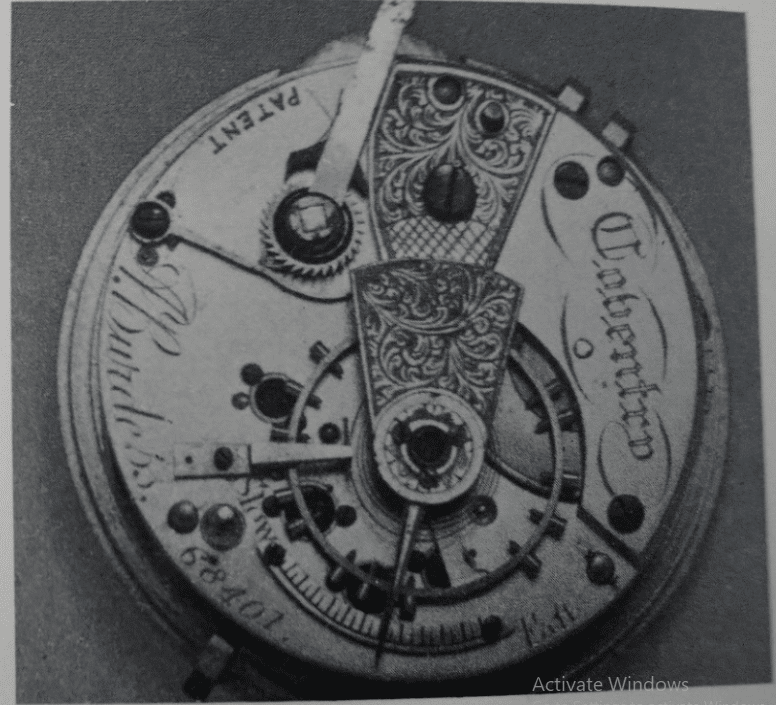
Movement of watch, plain, with only cock engraved, large jewel bearings, by Adam Burdess; Coventry, England, typical of late 19th century; dia. 1½” (3.81 cm.).… Read More »Movement of watch, plain, with only cock engraved
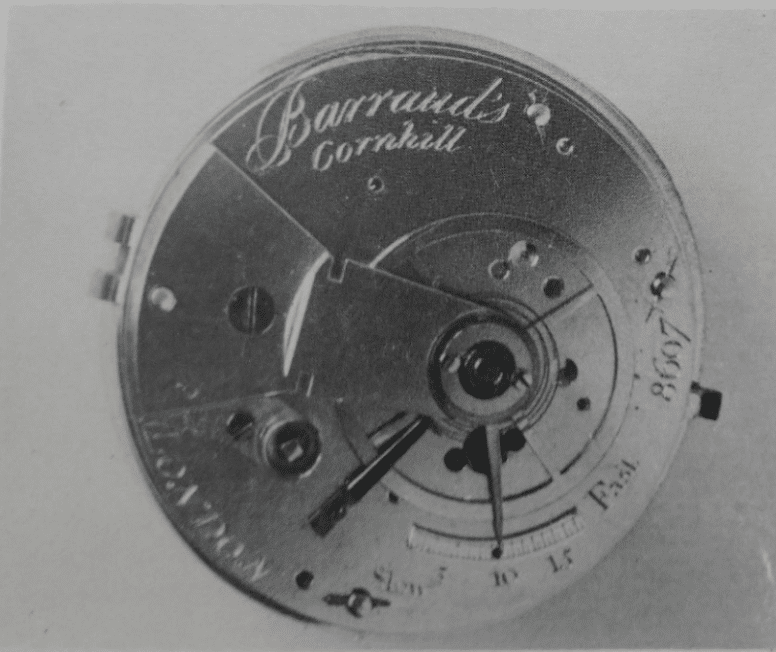
Movement by Barraud with cylinder escapement (usually associated with 19th century Swiss watches, though invented by George Graham of London); originally in 18th ct gold… Read More »Movement by Barraud with cylinder escapement
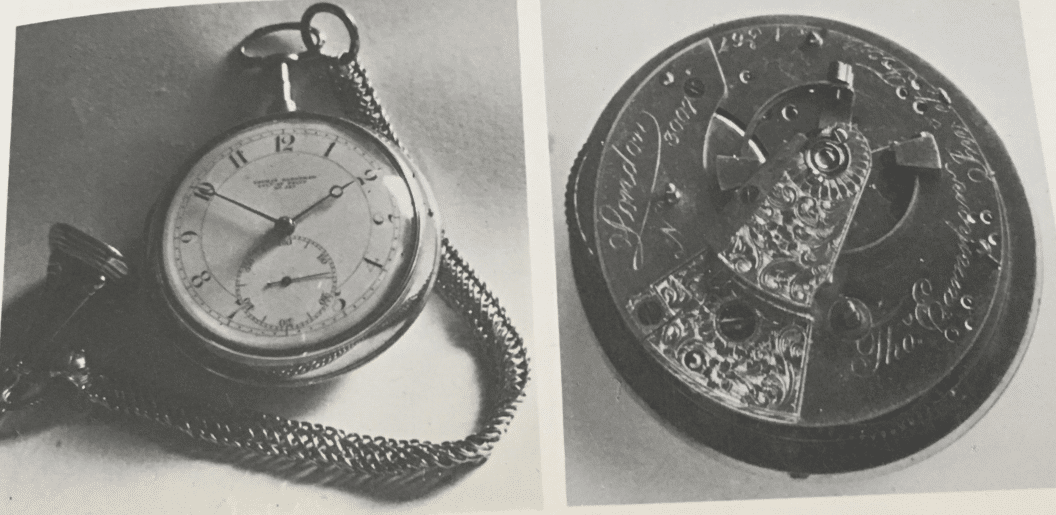
left: Pocket chronometer, brass dial and movement inscribed invenit et fecit; by Thomas Earnshaw (1749-1829); London, England, early 19th century; dia. 2” (5.08 cm.). right:… Read More »Pocket chronometer, brass dial and movement
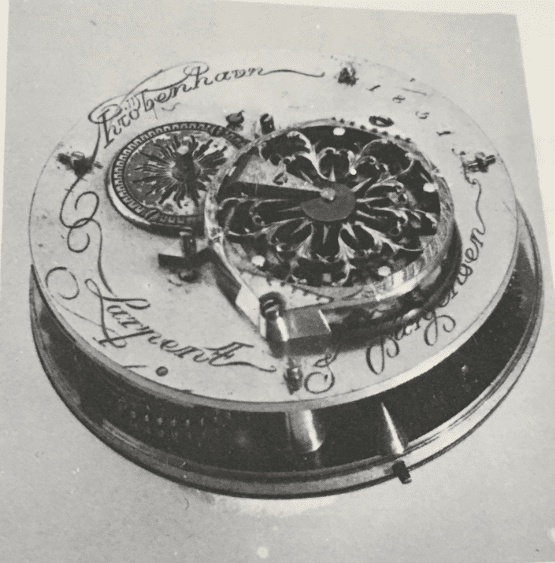
Watch movement by Larpent and Jurgensen; early 19th century; dia. 1½” (3.81 cm.). This example is more typical of French or Swiss work. A fusee… Read More »Watch movement by Larpent and Jurgensen
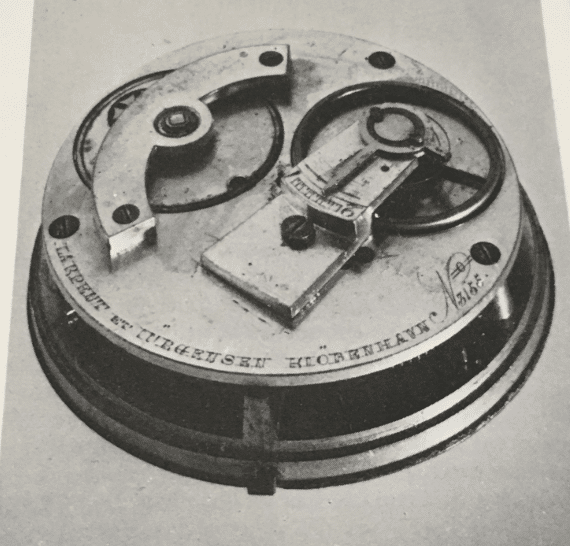
Watch movement by Larpent and Jurgensen; Copenhagen, Denmark, early 19th century; dia. 1½” (3.81 cm.). The firm was founded in Roskilde in 1780, continuing into… Read More »Watch movement by Larpent and Jurgensen
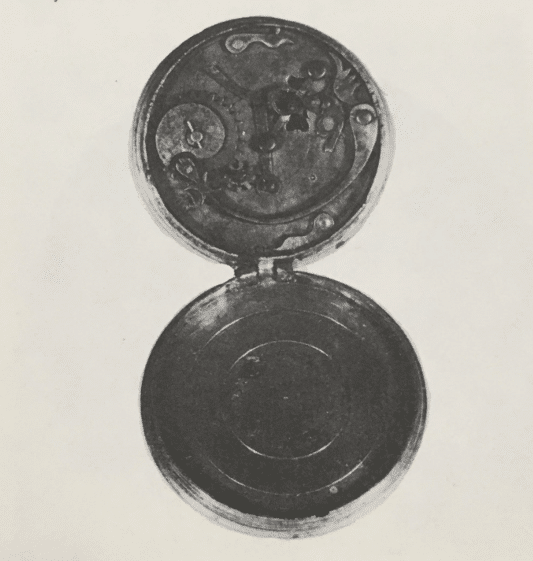
Watch movement of iron with gilt metal case; Germany, c. 1550; dia. 2” (5.08 cm.). The earliest watch movements were iron and somewhat roughly finished;… Read More »Watch movement of iron with gilt metal case
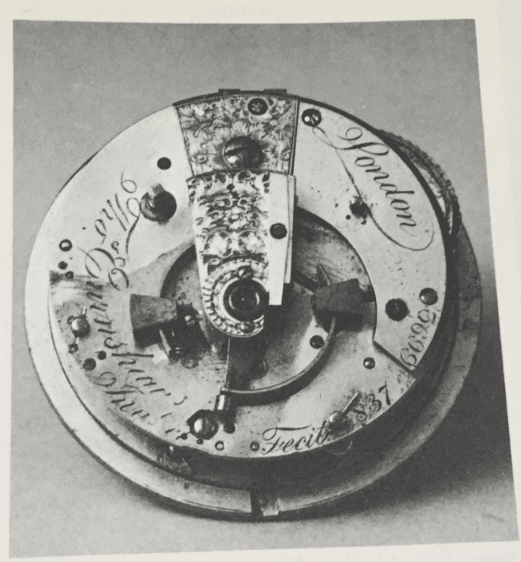
Pocket chronometer movement, silver case, hall-marked 1825, by Earnshaw; London, England, 1825; dia. 2” (5.08cm.). This is another example by Earnshaw, made near the end… Read More »Pocket chronometer movement, silver case, hall-marked 1825, by Earnshaw
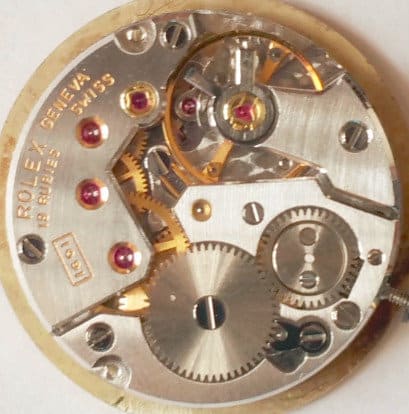
Rolex 1601 is Swiss movement from 1960s. Functions: without second, shock proof. Manual-winding movement with 19 or 20 jewels. F = 19800 A/h Power reserve: N/A Diameter:… Read More »Rolex 1601 movement – specifications and photo
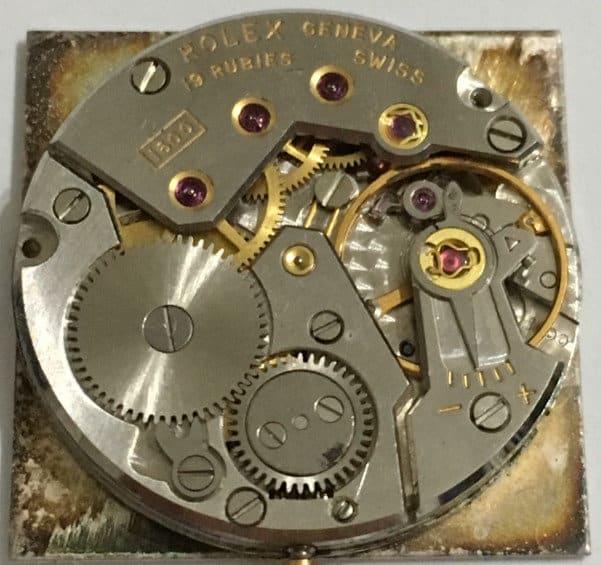
Rolex 1600 is Swiss movement from 1960s. Functions: without second. Manual-winding movement with 17 or 19 jewels. F = 19800 A/h Power reserve: N/A Diameter: 20.8 mm… Read More »Rolex 1600 movement – specifications and photo
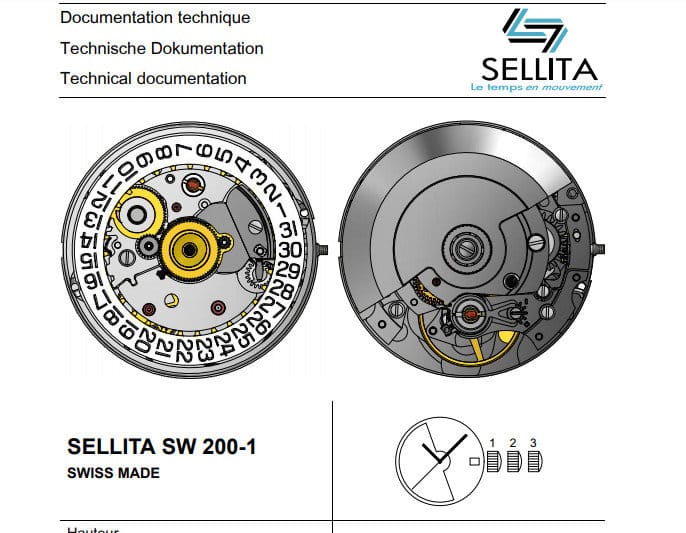
Sellita SW 200-1 is Swiss movement . Functions: sweep second, date – quickset. Automatic movement with 26 jewels. F = 28800 A/h Power reserve: 38 hours… Read More »Sellita SW 200-1 movement – specifications and photo
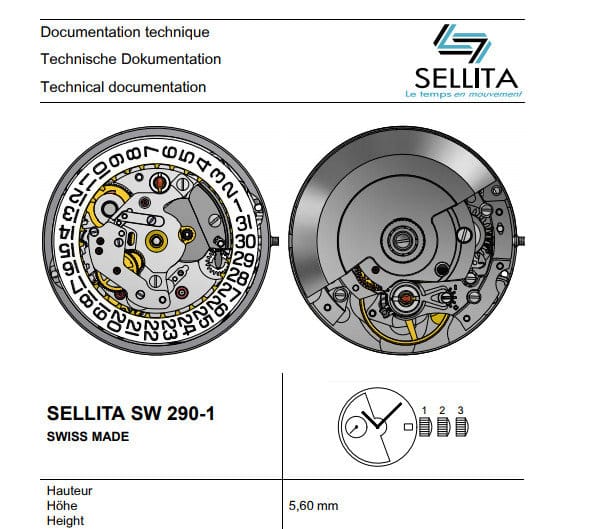
Sellita SW 290-1 is Swiss movement . Functions: sweep second, date – quickset. Automatic movement with 31 jewels. F = 28800 A/h Power reserve: 38 hours… Read More »Sellita SW 290-1 movement – specifications and photo