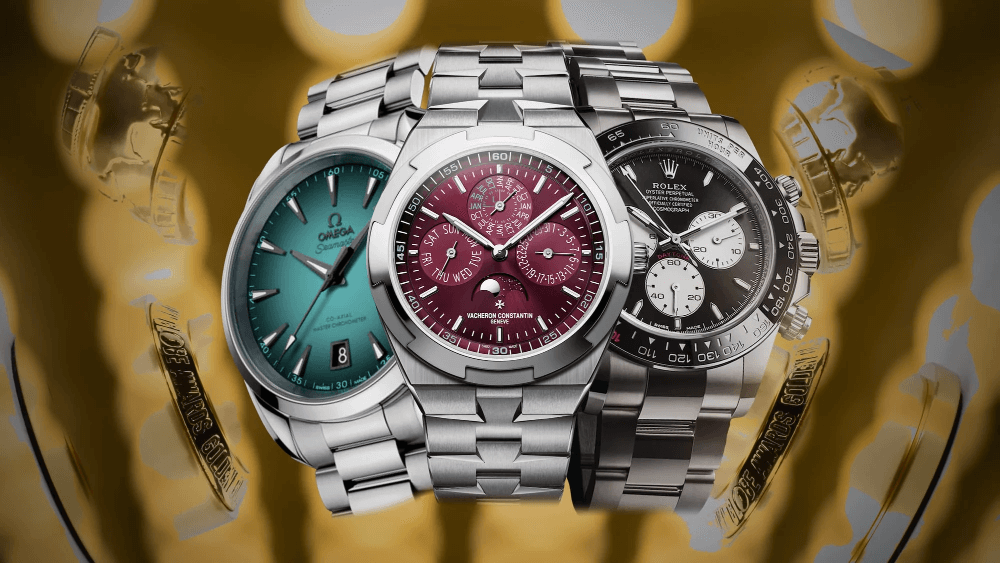
Wealth rarely announces itself clearly. Instead, it reveals itself through signals—some subtle, others unmistakable. Among those signals, Rolex occupies a position no other brand has managed to replicate. While countless luxury watches exist above and below it in price, none match Rolex’s cultural reach, symbolic clarity, and global consistency. Because of that unique convergence, Rolex has become the single most important brand on the wealth curve.
To understand why, we must first understand the wealth curve itself. Wealth does not grow linearly. Instead, it progresses through psychological stages: aspiration, arrival, consolidation, and legacy. At each stage, people seek symbols that reflect their position while remaining socially intelligible. Rolex dominates precisely because it sits at the most visible and emotionally charged inflection point on that curve.
Understanding The Wealth Curve And Why Signals Matter
The wealth curve describes how individuals relate to money as it grows. Early on, wealth feels fragile and aspirational. Later, it feels earned and stabilizing. Eventually, it becomes abstract and even secondary to identity. At each phase, people choose different signals.
Importantly, signals must balance clarity and acceptability. If a symbol appears too modest, it fails to communicate success. However, if it seems too extravagant, it risks social friction or distrust. Therefore, the most powerful symbols sit in the middle: unmistakable, yet socially tolerated.
This is where Rolex excels. Because it communicates success without excess, it becomes the default signal of arrival. Moreover, because it works across cultures, professions, and age groups, it avoids the fragility that plagues trend-based luxury.
Rolex As The Moment Of Arrival
Rolex represents a specific psychological milestone: “I made it.” Not “I inherited it,” and not “I speculate wildly,” but rather, “I arrived through effort.”
That distinction matters. While ultra-high-end watches often signal inherited or niche wealth, Rolex signals earned success. Entrepreneurs, doctors, executives, athletes, and business owners across the world converge on Rolex at the same moment in their financial lives.
Furthermore, Rolex ownership rarely feels premature. People often wait until a meaningful milestone—such as a promotion, a business exit, marriage, or a personal achievement. As a result, the watch becomes attached to narrative rather than impulse.
Because of that emotional anchoring, Rolex becomes sticky. Owners rarely sell their first Rolex, even if they later buy more expensive watches. Instead, it remains the emotional baseline.
Global Recognition Without Explanation
Another reason Rolex dominates the wealth curve lies in recognition. Rolex requires no explanation. A crown on the dial communicates instantly, regardless of language, culture, or context.
In contrast, other high-end brands often require insider knowledge. Patek Philippe signals legacy, but only to those who already understand watches. Richard Mille signals wealth, but usually invites skepticism. Greubel Forsey signals obsession, but only to a microscopic audience.
Rolex, however, signals success to everyone. Taxi drivers, CEOs, bankers, and artists all recognize it. Because of that universality, Rolex functions as a social shortcut.
Moreover, recognition works in both directions. The wearer feels validated, while observers immediately understand the signal. That mutual comprehension strengthens Rolex’s grip on the wealth curve.
Price Positioning That Feels Attainable Yet Significant
Rolex pricing plays a critical role in its dominance. While expensive, a Rolex does not feel out of reach for aspirational earners. At the same time, it feels substantial enough to mark a meaningful achievement.
This balance proves essential. If Rolex cost dramatically less, it would lose status. However, if it costs dramatically more, it would become less relevant to the wealth-arrival phase.
Additionally, Rolex pricing remains stable over time. While other brands chase novelty or aggressively inflate prices, Rolex adjusts carefully. Consequently, buyers trust the brand as a store of value rather than a speculative gamble.
Because of that trust, purchasing a Rolex feels responsible, not reckless. That psychological safety reinforces its role as the first serious luxury watch.
Supply Control And The Illusion Of Effort
Rolex also understands the power of controlled frustration. While the brand produces many watches, it restricts the availability of the most desired models. This creates a sense of earned access rather than open consumption.
Importantly, Rolex does not frame this scarcity as exclusivity for its own sake. Instead, it frames it as a case of demand exceeding supply. As a result, buyers feel chosen rather than excluded.
This dynamic mirrors wealth itself. Early wealth feels scarce and competitive. Therefore, Rolex’s availability model aligns perfectly with the mindset of those climbing the curve.
Moreover, waiting for a Rolex reinforces attachment. The delay transforms a purchase into a pursuit, which increases emotional payoff.
Design Consistency And Symbolic Stability
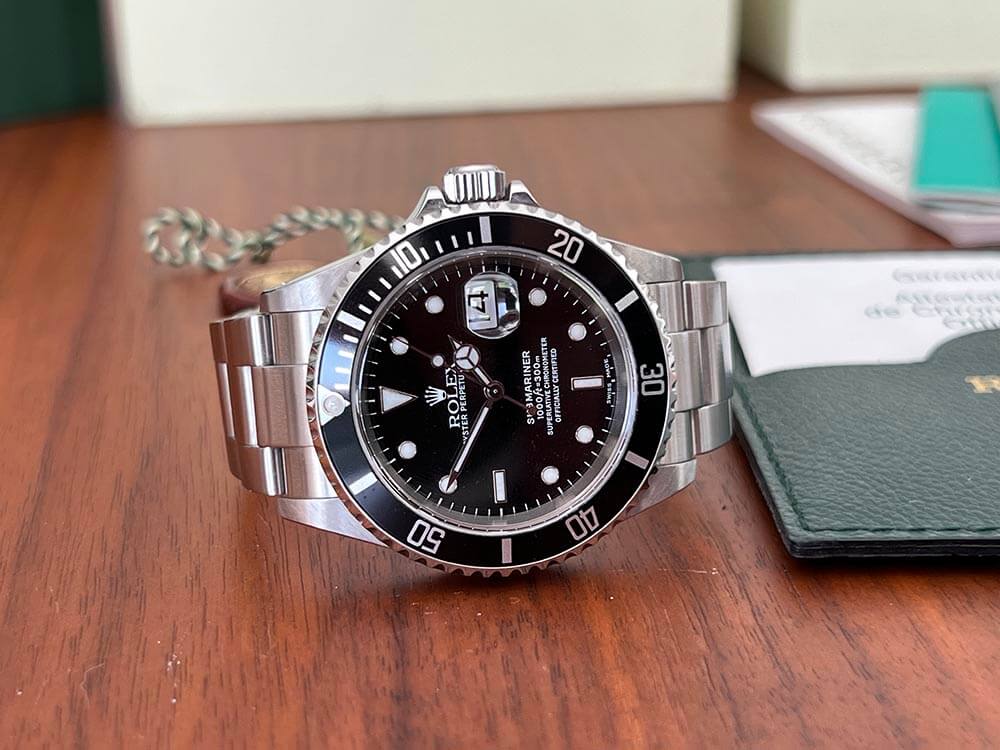
Rolex designs change slowly. While some criticize this conservatism, it actually strengthens the brand’s role on the wealth curve.
Because Rolex watches look similar across decades, they signal continuity. A Rolex from the 1990s still communicates success today. Likewise, a modern Rolex does not invalidate earlier versions.
This design stability mirrors the aspirations of wealth consolidation. At that stage, people value durability over novelty. They want symbols that will not embarrass them later.
Additionally, consistent design allows Rolex to function as a generational bridge. Fathers pass watches to sons. Mentors gift watches to protégés. Because the design language remains intact, the message survives the transfer.
Rolex As A Socially Safe Flex
Luxury often creates tension. Flashy displays can trigger judgment, envy, or distrust. Rolex avoids that problem by occupying a socially safe zone.
In many professional environments, a Rolex feels appropriate. It signals competence rather than excess. In social settings, it reads as successful but not desperate. In family contexts, it reads as responsible rather than indulgent.
This safety matters enormously. People navigating wealth want validation, not conflict. Rolex offers affirmation without provocation.
Furthermore, Rolex works in silence. It does not demand attention. Those who notice will notice. Those who don’t will feel alienated.
Why Rolex Matters Even To The Ultra-Wealthy
Interestingly, Rolex does not lose relevance as wealth increases. Even individuals who own Patek Philippe, Audemars Piguet, or independent haute horology often keep a Rolex in rotation.
Why? Because Rolex solves problems other watches do not. It handles travel, daily wear, and social neutrality with ease. Additionally, it avoids the fragility and signaling complexity of ultra-high-end pieces.
For the ultra-wealthy, Rolex becomes a grounding tool. It reconnects them to normalcy and earned success. In many cases, it becomes the watch they wear when they do not want to explain themselves.
Thus, Rolex anchors both ends of the curve. It welcomes newcomers and stabilizes veterans.
Marketing That Reinforces Merit, Not Fantasy
Rolex marketing emphasizes achievement rather than luxury. It associates the brand with explorers, athletes, scientists, and builders. Consequently, the message becomes clear: Rolex rewards effort.
Unlike brands that lean heavily on fantasy or exclusivity, Rolex ties itself to real-world accomplishment. This framing resonates deeply with people climbing the wealth curve, who often define themselves by work and discipline.
Moreover, Rolex avoids trends. It does not aggressively chase youth culture, nor does it rely on shock value. Instead, it cultivates timeless authority.
Because of that, Rolex feels earned, not purchased.
The Crown As A Universal Wealth Symbol
Symbols matter. The Rolex crown functions as one of the most powerful logos in modern culture. It communicates mastery, authority, and completion.
Importantly, the crown avoids arrogance. It does not shout dominance. Instead, it suggests stewardship and responsibility.
This symbolism aligns perfectly with the psychology of wealth arrival. At that stage, people want recognition but also legitimacy.
The crown delivers both.
Why No Other Brand Can Replace Rolex On The Curve
Many brands attempt to challenge Rolex’s position. Some aim lower, offering better value. Others aim higher, offering greater exclusivity. However, none replicate Rolex’s balance.
Tissot introduces Swiss watchmaking. Omega competes on technical heritage. Audemars Piguet competes on design iconography. Patek Philippe competes on legacy. Richard Mille competes with modern excess.
Rolex competes on meaning.
It owns the moment when wealth becomes identity.
Final Thoughts: Rolex As The Axis Of Wealth Signaling
Rolex matters because it defines the center of the wealth curve. It captures the moment when aspiration turns into arrival and when success becomes stable.
While trends will change and new brands will rise, Rolex’s role remains structurally secure. It solves a permanent human need: to mark achievement in a way that feels justified, visible, and socially acceptable.
In the end, Rolex does not just tell time. It tells a story people recognize instantly. That story—of earned success, stability, and legitimacy—explains why Rolex remains the most important brand on the wealth curve.