
The Rolex Submariner 1680 isn’t just another vintage diver—it’s a cornerstone of the Rolex legacy. Produced from 1969 to 1979, it was the first Submariner to feature a date function. More importantly, the early models from 1969 to 1975 came with one key detail that drives collectors wild: red “SUBMARINER” text on the dial. That simple design choice earned it the nickname “Red Sub.”
Of all the production years, 1973 stands out. It landed squarely in the middle of the Red Sub era. By then, Rolex had refined the model while maintaining the visual charm that defines vintage Submariners. This post takes a detailed look at the Rolex Submariner 1680 Red Sub—focusing on its origins, design, movement, collectibility, and why the 1973 variant continues to captivate enthusiasts today.
From Tool to Icon: A Submariner Evolves
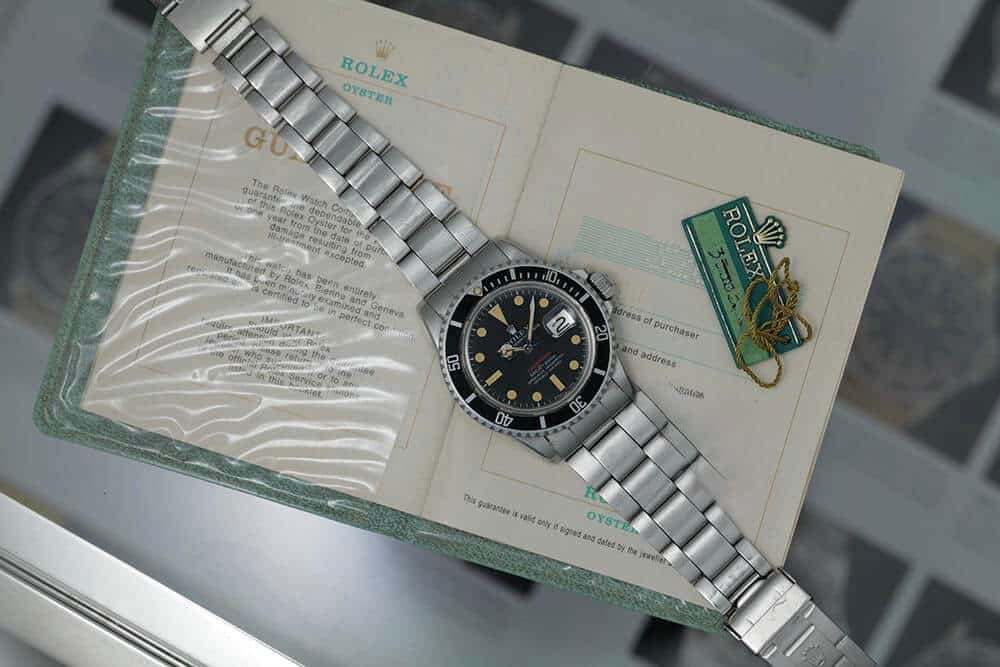
The Submariner first launched in 1953. It was built purely for diving. It had no date, no luxury ambitions—just function. That original tool-watch spirit made it a favorite of professionals and adventurers. But by the late 1960s, Rolex began to shift its strategy. Customers wanted more from their watches. Ruggedness was still essential, but comfort, elegance, and usability had started to matter more.
This was the backdrop when the 1680 emerged. Rolex gave the Submariner a date complication for the first time. along with it came the Cyclops magnifier, a feature already popular on the Datejust. This wasn’t just a utility watch anymore—it was becoming an everyday Rolex.
The Rise of the Red Sub

From 1969 through 1975, Rolex printed the word “SUBMARINER” in red on the 1680’s matte black dial. It sounds like a minor design choice, but it was a significant visual shift. Previous models had all-white printing. The red text added contrast, depth, and a subtle flair that stood out.
Several different dial variants exist from this period, often categorized into Mark I through Mark VI. Each version features slight differences in font, spacing, and layout. These small details matter immensely to collectors, and many consider specific years more desirable based on the dial marks.
The 1973 models often include Mark IV or Mark V dials, which are praised for clean printing and balanced layouts. They strike a middle ground—early enough to be rare but refined enough to wear every day.
A Closer Look at the 1680’s Case and Build
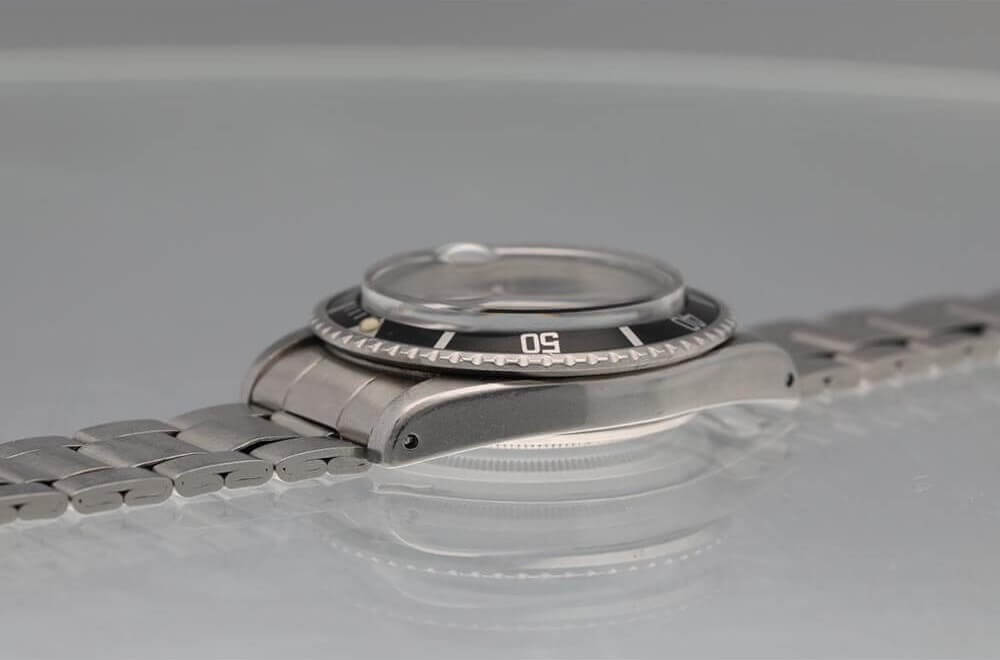
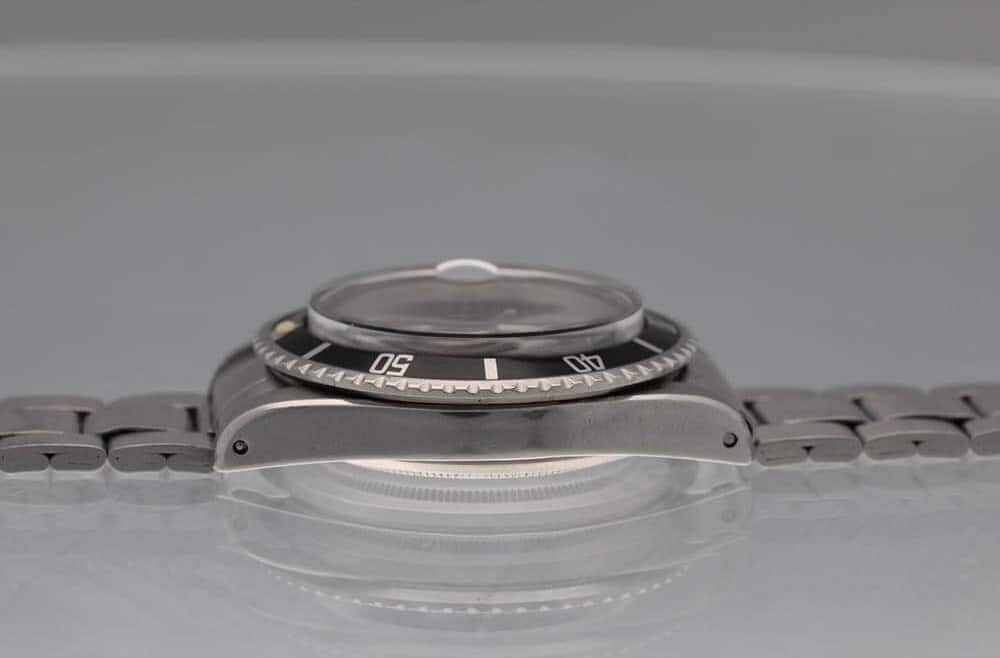
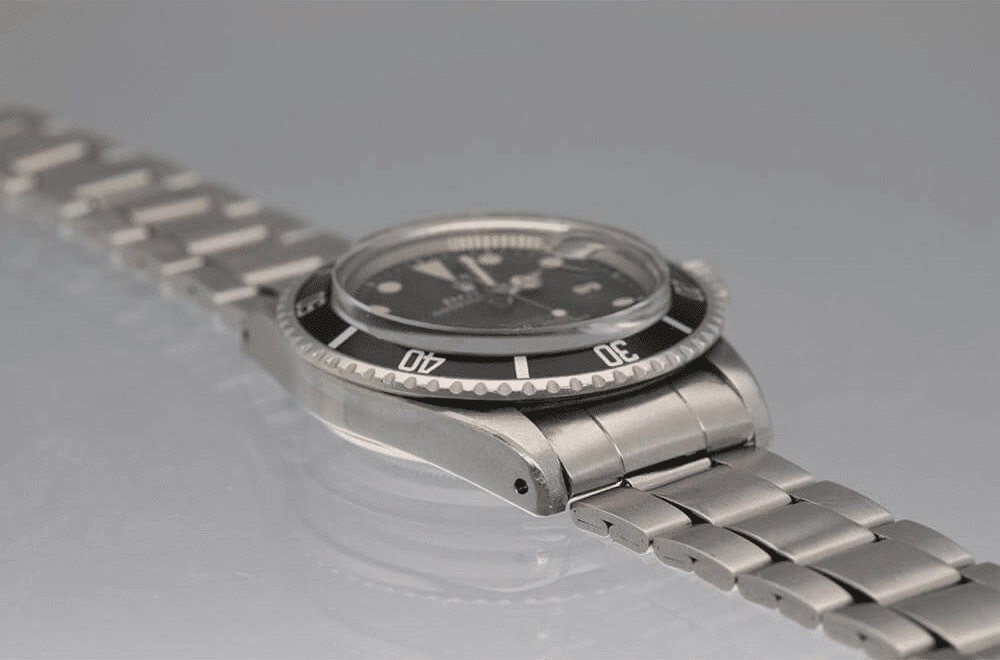
The 1680 features a 40mm stainless steel case, consistent with today’s Submariner dimensions. However, vintage 40mm wears slightly smaller due to thinner lugs and domed acrylic crystal. This gives it a more subtle wrist presence, perfect for daily wear without overwhelming the wrist.
The bezel insert is aluminum, with a triangle marker at 12 o’clock and 60-minute gradation. Over the years, these inserts fade and scratch—creating what collectors call “ghost bezels.” In many cases, that wear adds charm rather than detracts value.
One distinguishing trait of the 1680 case is the depth rating engraved on the dial: “660ft = 200m.” It reflects Rolex’s transitional era before they standardized metric-first notation. Today, that quirk is one more reason the Red Sub holds such appeal.
Crystal and Cyclops
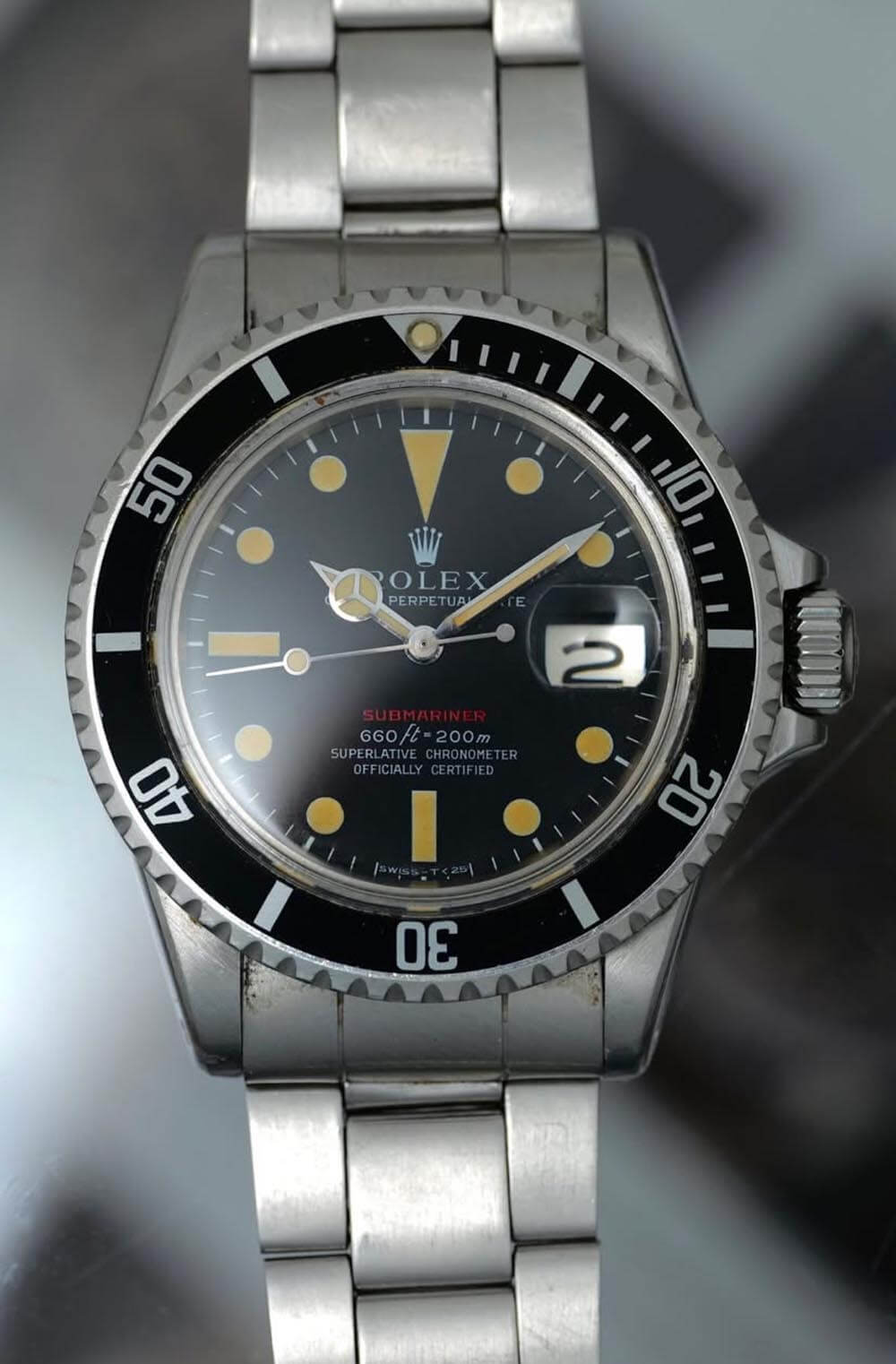
Unlike later Submariners, which use flat sapphire crystals, the 1680 uses a domed acrylic crystal. This adds vintage warmth and creates a “bubble” effect over the date. Some prefer it for its old-school look and ease of polishing.
Of course, the Cyclops lens—introduced earlier on Datejust models—makes its Sub debut here. While not universally loved, it serves a purpose. It magnifies the date by 2.5x, making it much easier to read. And in the 1680, it’s part of what makes the reference so historically important.
Caliber 1575: The Movement That Drove a Legend
Under the hood, the 1680 is powered by Rolex Caliber 1575, which evolved from the proven 1570. This movement introduced a date complication and—later in its production—hacking seconds. That feature allowed wearers to stop the seconds hand for precise time setting.
Though the movement looks simple by today’s standards, it’s rock-solid. With proper care, it can run smoothly for decades. It beats at 19,800 vibrations per hour and features a 48-hour power reserve. Most importantly, it’s easy for skilled watchmakers to service, and parts are still available.
This serviceability is one reason the 1680 remains a favorite vintage Rolex. You can wear it regularly, not just admire it in a safe.
Dial Variants: The Collector’s Obsession
Among Red Subs, the dial matters. A lot. Each of the six known dial types brings subtle differences:
- Mark I: Serif fonts, elongated “f” in “ft.”
- Mark II: Rounded fonts and open 6s.
- Mark III: Often seen with tropical dial fade.
- Mark IV: Straight, neat fonts. Common in 1973.
- Mark V: Tighter spacing, dense red print.
- Mark VI: Late production, bolder type.
The 1973 Red Subs usually feature Mark IV or Mark V dials, both prized for balance and legibility. Their tritium lume often ages into creamy or yellow tones—another charm point for collectors.
Bracelet and Clasp Details
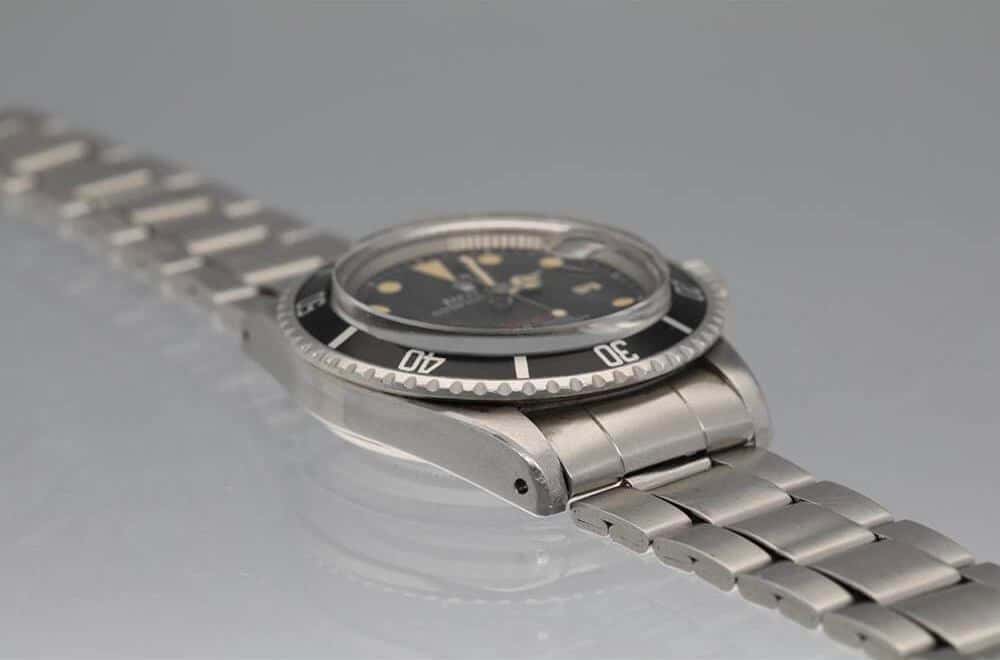
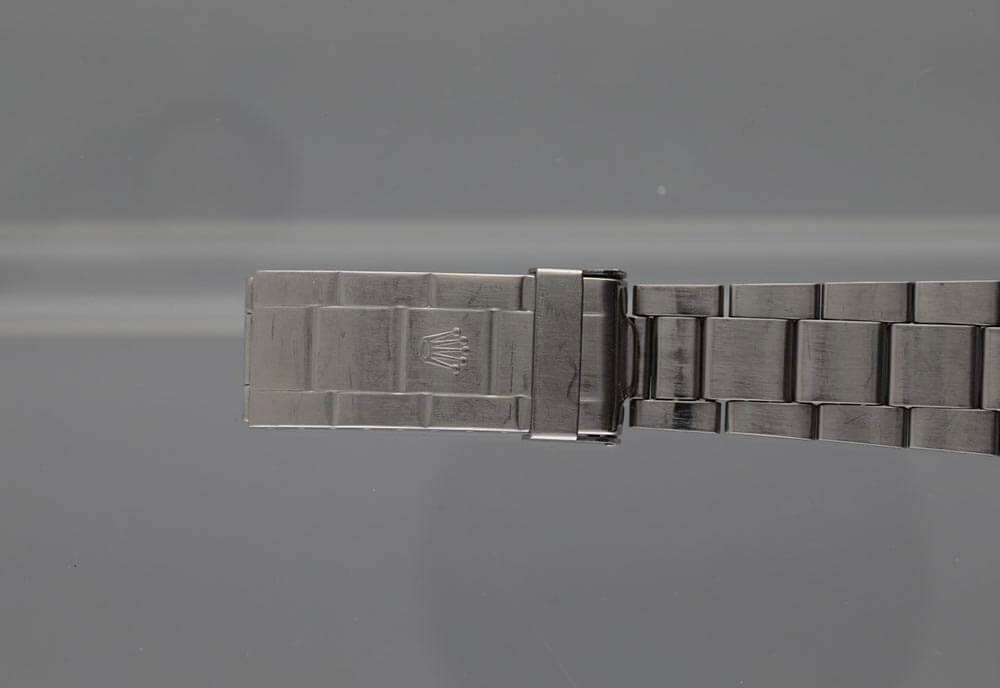
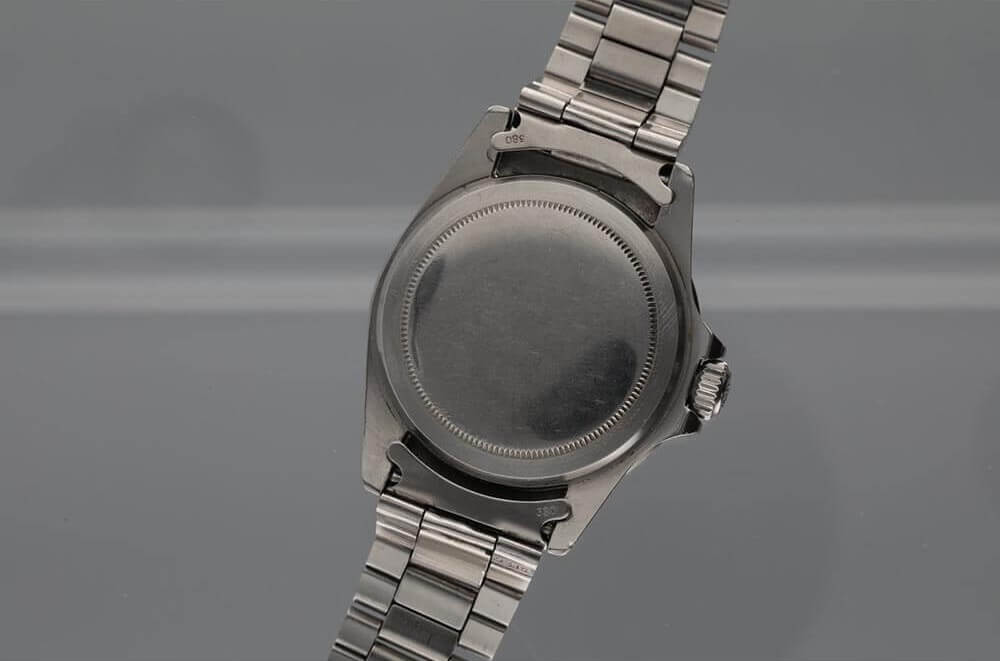
The 1680 originally shipped with a 9315 folded-link Oyster bracelet. It’s lighter and more flexible than modern versions. Some examples had a flip-lock clasp with diver extension. Others used the simpler clasp found on GMTs and Explorers.
Today, many Red Subs wear aftermarket or updated 93150 bracelets. That’s not a dealbreaker, but original bracelets in good condition add serious collector value.
Service History and Replacement Parts
One of the challenges with vintage Rolex is the history of service. For decades, Rolex Service Centers replaced older dials, hands, and bezel inserts during routine maintenance. While this preserved functionality, it also erased some of the original charm.
A 1680 Red Sub with a later white dial is less valuable than one that retains its red text. Likewise, service hands or polished cases reduce collector interest. That’s why provenance and original parts are so critical when assessing value.
Value Drivers in 2025
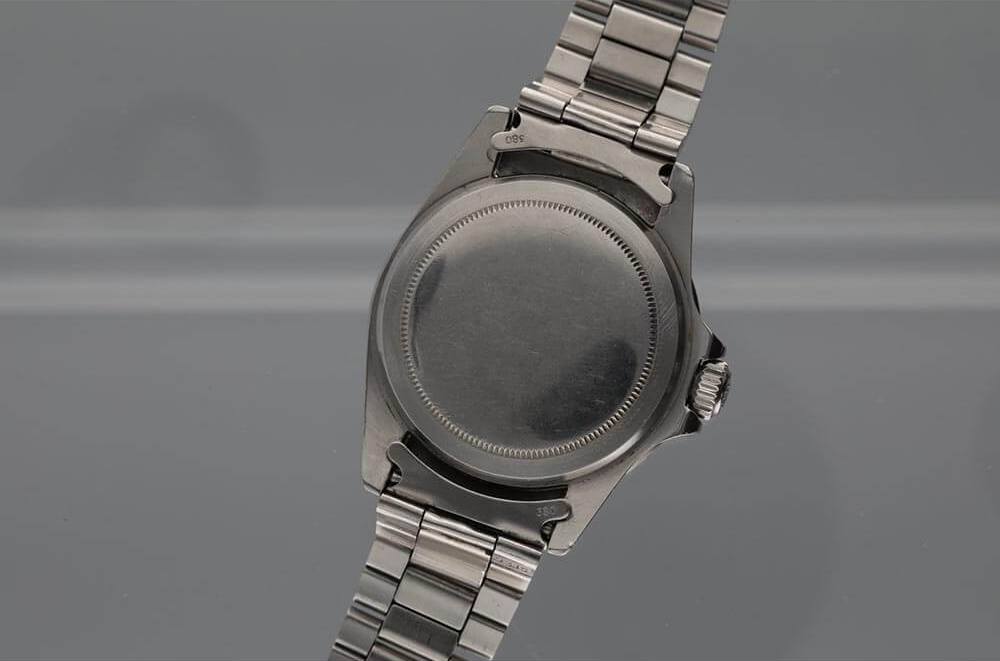
Today, the market for vintage Submariners remains strong. The Red Sub, in particular, has proven to be a resilient investment. Several factors drive its value:
- Original dial condition
- Matching serial and caseback year
- Correct bezel and insert
- Unpolished case edges
- Complete set (box, papers, tags)
If your Red Sub checks most of those boxes, you’re sitting on something special. Not only is it historically important, but it’s also a watch that continues to appreciate.
1680 Red Sub vs. Other Vintage Rolex Divers
How does the Red Sub stack up against its cousins?
- Compared to the 5513: The 5513 is iconic and no-date. It’s simpler, cheaper, and more tool-like. But it lacks the collectibility of the red-text 1680.
- Compared to the 16800: The 16800 introduced the sapphire crystal and quick-set date. It’s more modern—but it lost the vintage soul many collectors crave.
- Compared to the Sea-Dweller 1665 “Great White”: Rarer and deeper-rated, yes. But the Red Sub wins on visual punch and daily wearability.
In short, the Red Sub finds balance. It’s vintage yet practical, bold yet timeless.
Wearing a Red Sub in Today’s World
Some collectors hesitate to wear rare watches. That’s fair. But the Red Sub, despite its vintage status, can still serve as a daily watch. It’s comfortable, reliable, and rugged enough for most modern situations.
Wear it with denim or dress it up with a button-down. It works either way. Because its proportions are balanced and its dial remains readable, it doesn’t feel outdated. It feels vintage—on purpose.

Final Thoughts
The Rolex Submariner 1680 “Red Sub” from 1973 is more than a collector’s item. It’s a watch that marked a turning point for Rolex—ushering the Submariner from pure tool watch to luxury icon. It introduced the date. It delivered one of the most loved dial designs in Rolex history. And it continues to stand out 50 years later.
With solid movement tech, lasting build quality, and dial variations that fuel collector passion, the Red Sub isn’t just a nostalgic nod to the past. It’s an investment in horological culture.
Whether you’re after a beautiful daily vintage or looking to secure a future classic, the 1680 Red Sub delivers both.


